


Is Black a Good Choice for a Front Door?
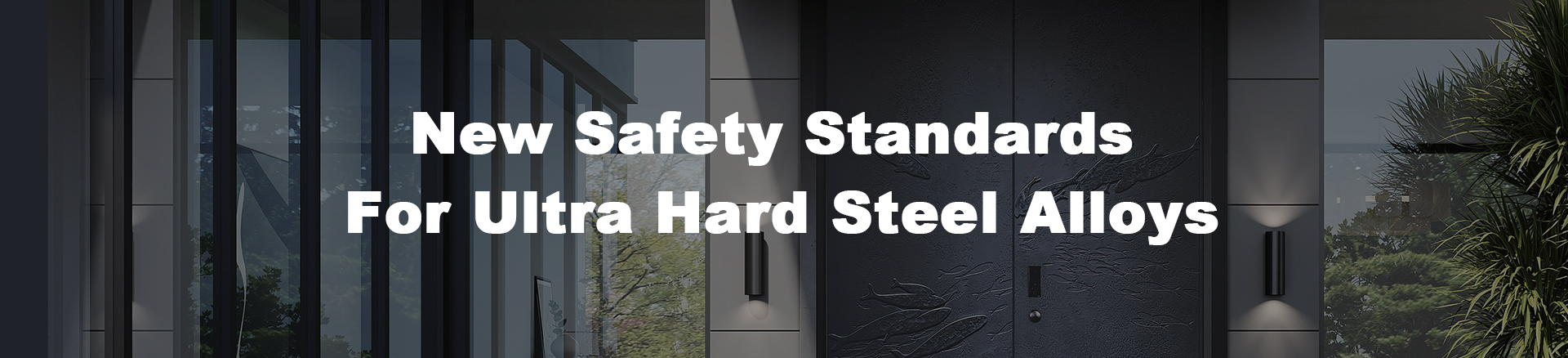
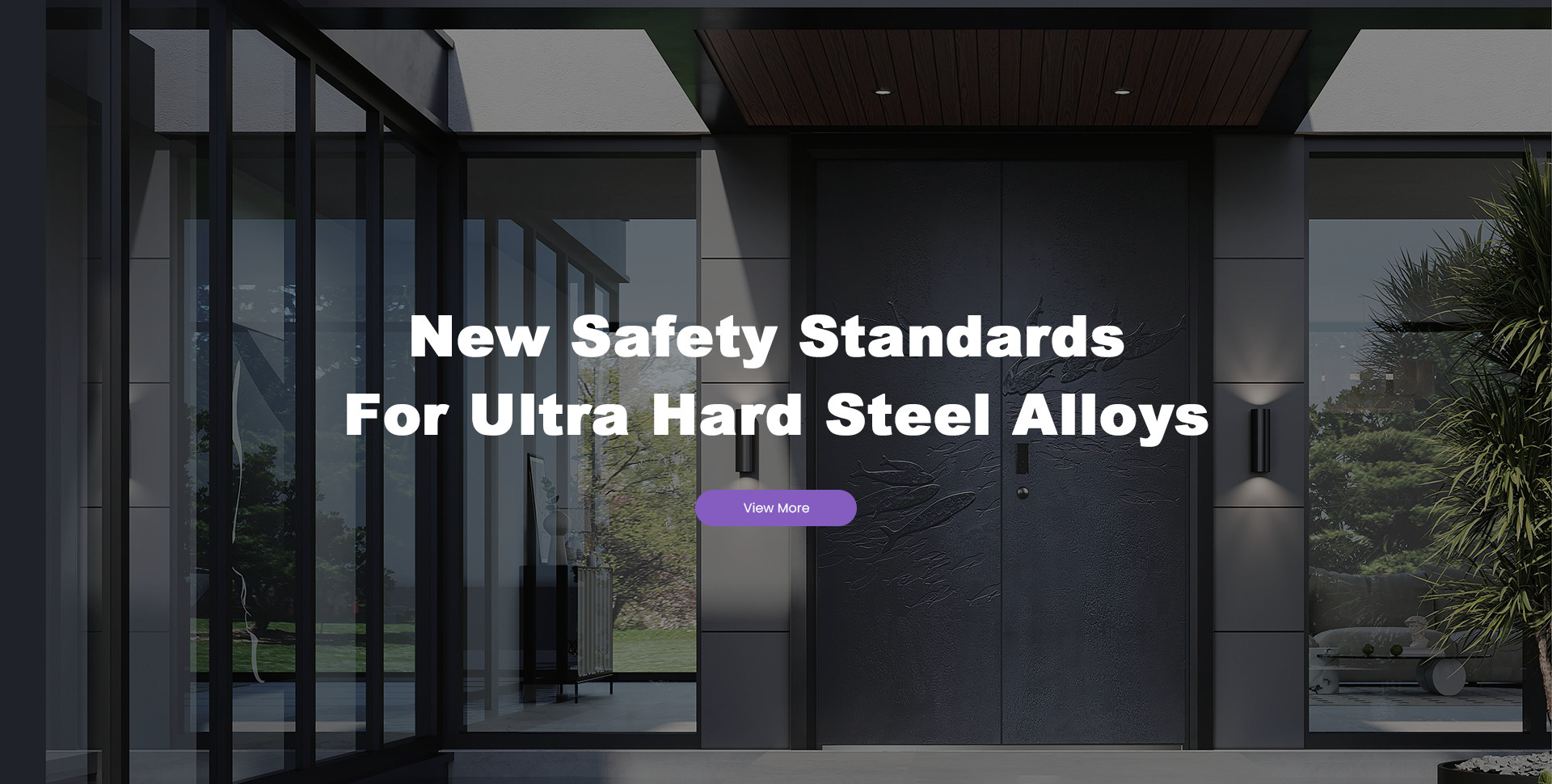
Black is often a strong choice for a front door because it delivers a clean, confident look that works across modern, transitional, and luxury architectural styles. It can visually “anchor” the entry, make surrounding materials look richer, and create a high-end first impression with minimal design risk. The key is choosing the right black finish for your climate, exposure, and daily use patterns, because black makes surface quality, edge alignment, and hardware selection more noticeable than lighter colors.
For buyers selecting Security Doors, black also has a practical advantage: it pairs naturally with stainless steel, aluminum, and hybrid door structures, and it can be specified in multiple surface processes to balance durability and appearance. DONAR supports a wide range of optional colors and matching hardware styles, so black can be executed as a complete entrance system rather than only a paint choice.
Table of Contents
- 1) The design advantages of a black front door
- 2) What black communicates about security and quality
- 3) Heat, sun exposure, and climate considerations
- 4) Maintenance and scratch visibility in real life
- 5) Choosing the right black finish for your door material
- 6) Hardware pairing that makes black look intentional
- 7) When black may not be the best choice
- 8) How DONAR supports black front door projects
- Conclusion
1) The design advantages of a black front door
A black door creates strong contrast. On light façades such as white render, pale stone, light brick, or concrete, black frames the entrance and makes the doorway feel more intentional. On darker façades, a black door can still work when you differentiate sheen and texture, such as a matte black door against satin metal trims or a subtle textured black against smooth cladding.
Black also simplifies material coordination. If your entrance includes metal accents, modern lighting, or minimalist signage, black tends to unify those elements instead of competing with them. This is one reason black is popular in luxury residential projects: it looks composed even when the rest of the façade uses multiple materials.
2) What black communicates about security and quality
Front doors are judged quickly. A black door often reads as solid and serious, which aligns well with security door expectations. But black also reveals quality issues faster than many colors. Gaps, misalignment, uneven gloss, and inconsistent edge finishing show more clearly, especially under strong daylight or entry lighting.
That is why black works best when the door is engineered to close tightly, hold alignment over time, and maintain clean edges around the lock and hinge areas. In a high-end entrance door, the finish should support the structure, not hide it. If the door is well-built, black becomes a “confidence color” that highlights precision.
3) Heat, sun exposure, and climate considerations
Black absorbs more heat than lighter colors. In hot climates or full-sun exposures, a black door surface can run significantly warmer, which increases stress on coatings, seals, and panel stability. This does not mean you should avoid black. It means you should choose a finish system and door structure that can handle thermal cycling.
Practical ways to make black work in harsh sun:
Choose a coating process designed for exterior durability and temperature variation
Use a door structure that resists deformation and keeps the lock side aligned
Specify high-quality sealing to maintain contact pressure as temperatures change
Ensure correct installation and anchoring so the frame stays square
If the entry is shaded by a porch, deep eave, or recessed façade, black becomes even easier to maintain long term.
4) Maintenance and scratch visibility in real life
Black can show dust, fingerprints, and micro-scratches more easily than mid-tone colors. The finish texture and gloss level decides how visible daily wear becomes.
General behavior by finish type:
Matte black hides fingerprints better but can show light scuffs as “polished marks” in high-touch areas
Satin black balances cleaning ease and scratch visibility for most homes
Gloss black is dramatic but reveals dust and surface imperfections faster
For high-traffic entrances, the best results usually come from a finish that is not overly glossy and a surface texture that is consistent across the panel, edges, and frame.
5) Choosing the right black finish for your door material
Black is not one single color. The best black depends on whether your door is stainless steel, steel, aluminum, or a hybrid structure. Each substrate interacts differently with coating adhesion, thermal movement, and long-term corrosion behavior.
| Door material | Black finish priority | Best-fit projects | What to pay attention to |
|---|---|---|---|
| Stainless steel | Stable appearance, corrosion resistance | Coastal homes, humid regions, premium renovations | Consistent edge finishing and hardware matching |
| Steel | Strong structure and solid closing feel | General residential security upgrades | Coating durability and chip resistance at edges |
| Aluminum | Lightweight operation and modern styling | Modern apartments, design-led façades | Frame rigidity and hinge-side load support |
| Hybrid structure | Balanced rigidity and refined surface design | Luxury entrances needing both style and performance | Seam integrity and uniform coating coverage |
DONAR provides stainless steel, steel, aluminum, and hybrid entrance doors, allowing black finishes to be specified together with structure and hardware, so the final performance matches the appearance.
6) Hardware pairing that makes black look intentional
Black doors look best when hardware and trims are selected as part of the overall composition. A mismatch in metal tone or texture can make the entrance feel incomplete.
Common premium pairings:
Black door with stainless steel hardware for a crisp, modern contrast
Black door with warm metallic tones for a more luxury-oriented feel
Black door with minimal long-pull handles for a clean architectural look
If your door has decorative lines or carved surface depth, black can enhance those shadows, but only if the handle scale and placement are well-proportioned.
7) When black may not be the best choice
Black may be less suitable when:
The entry receives intense direct sun all day and the finish system is basic
The location has heavy dust or sand and the owner prefers minimal cleaning
The entry is highly exposed to abrasion such as pets, frequent moving of items, or high-contact commercial use without protective planning
In these cases, you can still keep a dark, premium look by selecting dark gray, graphite, or textured finishes that reduce dust visibility while maintaining a modern style.
8) How DONAR supports black front door projects
A black front door looks simple, but a high-end black entrance requires control of structure, surface process, and hardware compatibility. DONAR specializes in high-end customized entrance doors and offers multiple optional colors and hardware selections, so buyers can align black finishes with the right door material, security configuration, and architectural style.
If your priority is a black door that stays premium over time, the best approach is to specify black as a complete entrance solution: door structure, frame stability, sealing, finish process, and hardware all designed to work together.
Conclusion
Black is a good choice for a front door when you want a modern, high-end appearance that pairs well with security-focused construction. It strengthens curb appeal, communicates confidence, and works across many architectural styles. To make black perform long term, focus on finish type, sun exposure, door material, and hardware coordination. With the right structure and a durable surface process, a black front door can remain elegant, stable, and easy to live with for years, and DONAR can customize the material, color, and hardware to match your specific project needs.
Previous: How to Install a Front Door?