


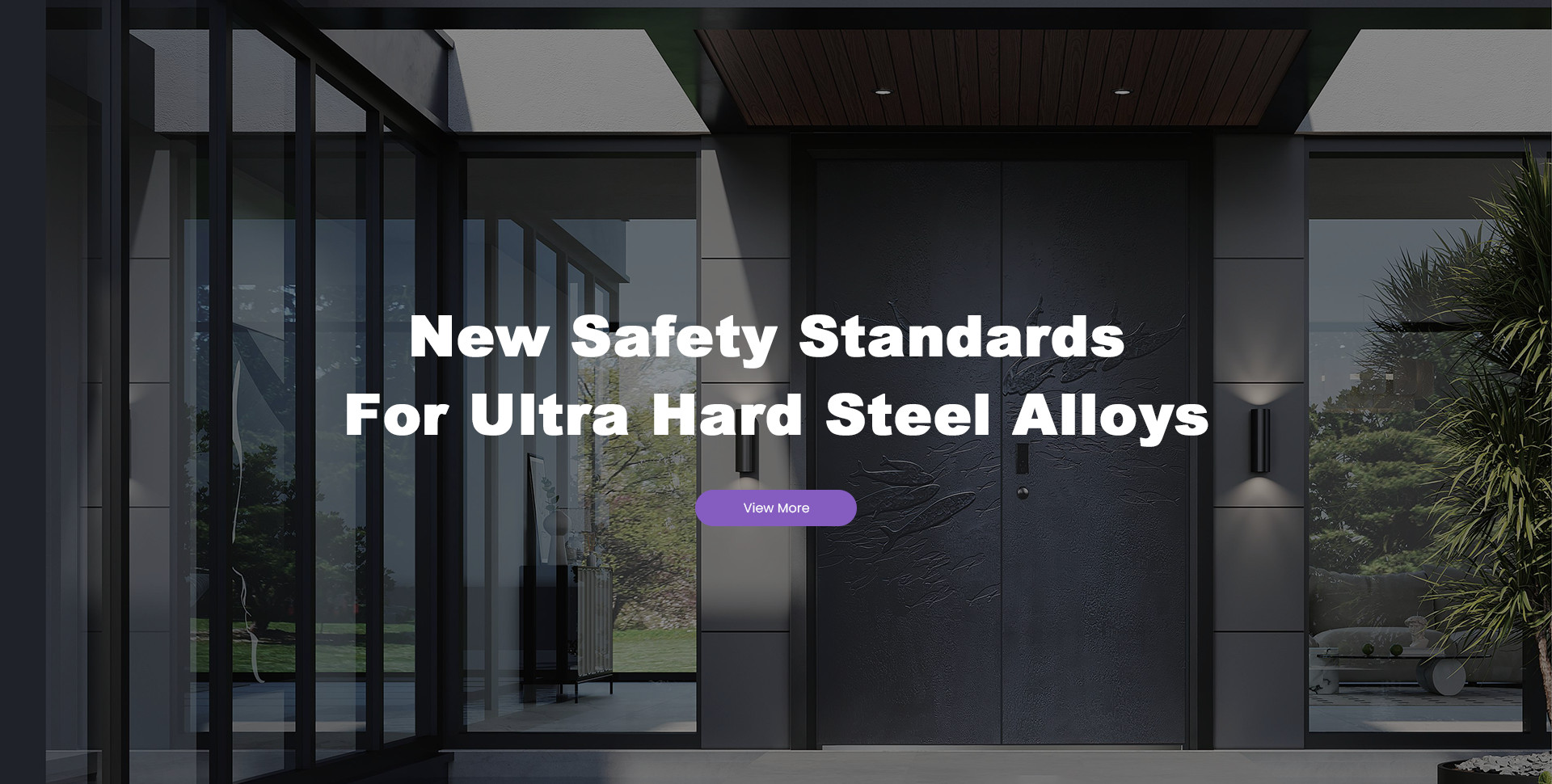

Comparing Steel and Aluminum Doors: Which Is Best for Your Commercial Needs?
Steel doors are generally preferred for commercial entrances requiring structural strength and heavy-duty protection, while aluminum doors are often selected for corrosion resistance, lighter construction, and modern architectural appearance. The best choice depends on building requirements, usage frequency, and maintenance conditions.
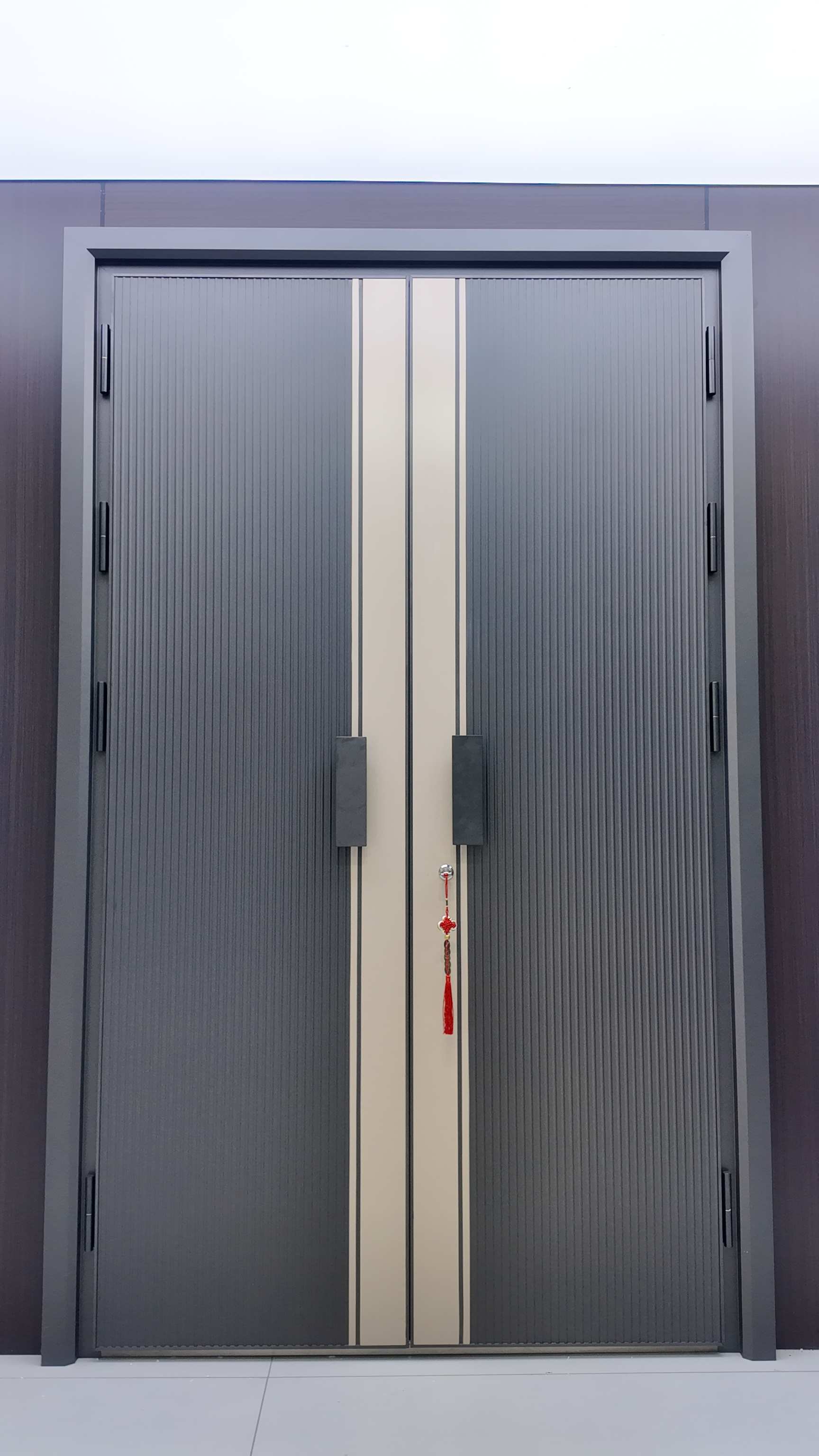
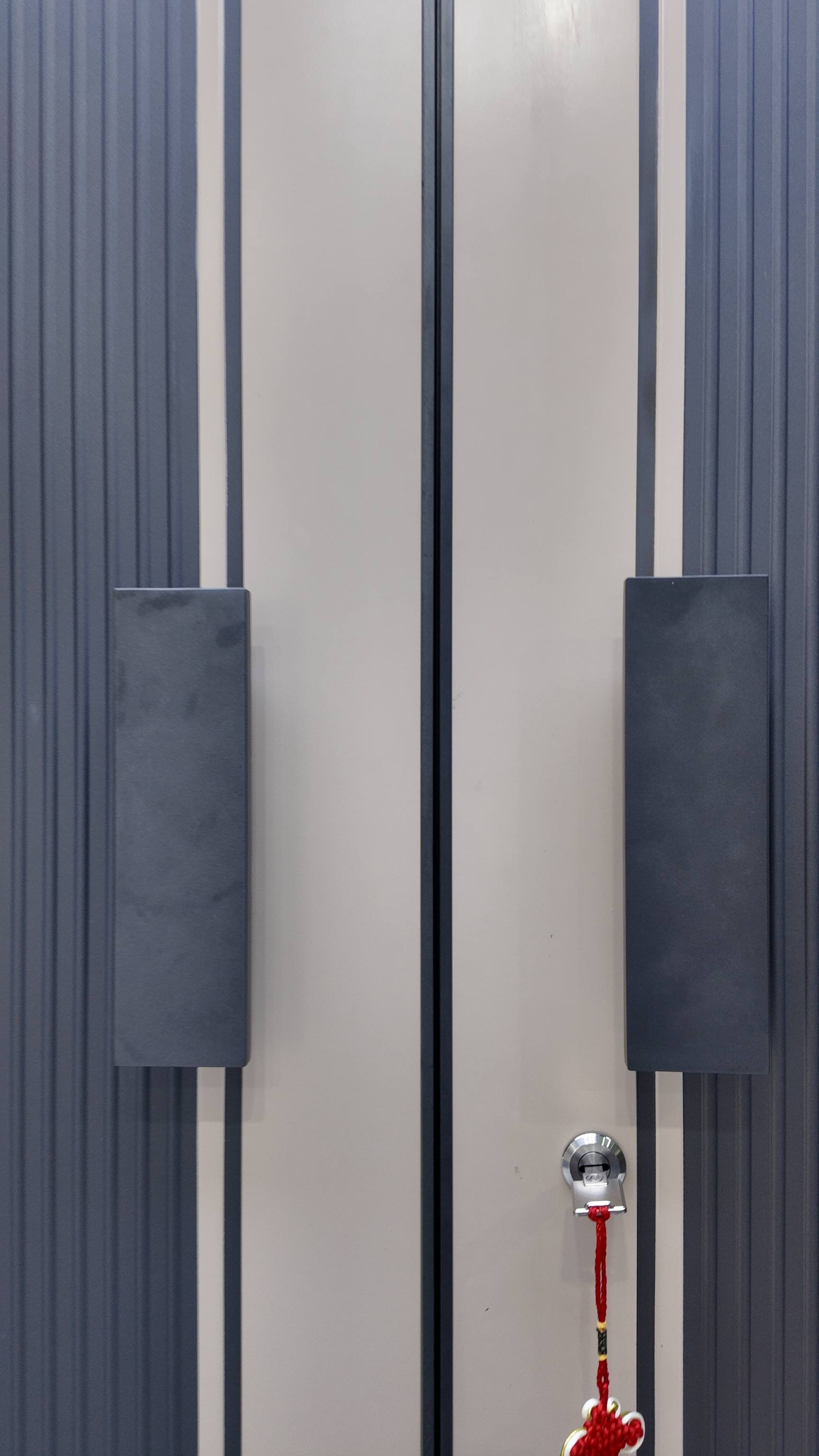
Table of Contents
- Why Does Door Material Matter in Commercial Buildings?
- How Do Steel and Aluminum Doors Compare?
- When Should Commercial Buyers Choose Steel Doors?
- When Are Aluminum Doors a Better Commercial Option?
- How Does Manufacturing Quality Affect Commercial Door Performance?
- What Should Contractors Check Before Ordering Commercial Doors?
- Which Material Provides Better Long-Term Value?
- Discuss Your Commercial Entrance Door Requirements
Why Does Door Material Matter in Commercial Buildings?
Commercial entrance doors experience different operating conditions from residential doors. Office buildings, retail facilities, apartment developments, and institutional properties may require entrances that withstand frequent opening, environmental exposure, and intensive daily use.
When comparing steel vs. aluminum doors for commercial applications, procurement teams should evaluate structural performance, hardware compatibility, installation requirements, and overall lifecycle cost.
Selecting the lowest-priced commercial entrance door may result in additional maintenance expenses if the material or construction is unsuitable for the building environment.
A professional commercial door manufacturer considers these requirements during product design and specification development.
How Do Steel and Aluminum Doors Compare?
| Evaluation Factor | Steel Doors | Aluminum Doors |
|---|---|---|
| Structural Strength | High strength with appropriate construction | Depends on alloy, profile, and reinforcement |
| Weight | Generally heavier | Generally lighter |
| Corrosion Resistance | Requires suitable surface protection | Naturally forms a protective oxide layer |
| Design Flexibility | Suitable for reinforced and decorative designs | Suitable for modern architectural profiles |
| Maintenance | Coating damage may require attention | Finish and hardware require regular maintenance |
| Commercial Applications | Security entrances and heavy-duty access | Modern building entrances and architectural projects |
The comparison highlights general material characteristics. Actual performance varies according to door thickness, construction, hardware, coatings, and installation.
When Should Commercial Buyers Choose Steel Doors?
Steel commercial doors are particularly suitable when security and structural strength are major requirements.
High-Security Building Entrances
Commercial buildings containing valuable equipment or restricted-access areas may require reinforced steel entrance systems.
Steel structures can support specialized locking mechanisms and anti-pry configurations when properly engineered.
Heavy-Duty Entrance Applications
Steel doors can accommodate robust frames and hardware for demanding entrance conditions.
However, frequent opening cycles require compatible hinges, closers, and properly designed door weight distribution.
Projects Requiring Specific Fire Performance
Some commercial buildings require tested fire-rated door assemblies.
A standard steel door is not automatically fire-rated. Buyers must confirm that the complete door assembly, including frame and hardware, has the necessary approval for the intended installation.
When Are Aluminum Doors a Better Commercial Option?
Aluminum entrance doors offer practical advantages for buildings where appearance, corrosion resistance, and manageable weight are important.
Modern Architectural Projects
Aluminum supports clean lines, contemporary finishes, and customized entrance configurations.
These characteristics make it suitable for reception areas, offices, luxury commercial properties, and selected residential-commercial developments.
Coastal or Humid Environments
Aluminum naturally resists many common forms of atmospheric corrosion, although finish quality and suitable fasteners remain important.
For locations with frequent moisture exposure, properly specified aluminum door systems can reduce some corrosion-related maintenance concerns.
Custom Commercial Entrance Designs
Our aluminium front doors demonstrate different modern configurations, including reinforced entrance structures and decorative surface options.
Commercial buyers should verify whether a selected product meets the functional and regulatory requirements of their specific building.
How Does Manufacturing Quality Affect Commercial Door Performance?
Material selection is only one part of commercial door manufacturing.
At Donar, our factory supports customized entrance door production using automated laser processing, sheet metal forming, and integrated production management.
In manufacturing, several technical details deserve particular attention.
Dimensional accuracy: Door leaves and frames need controlled clearances to prevent rubbing, uneven locking engagement, and installation difficulties.
Structural connections: Reinforcement arrangements and joint quality influence how a door handles repeated loads.
Surface finishing: Coating preparation and finishing methods affect appearance consistency and long-term corrosion protection.
Hardware compatibility: Hinges, locking mechanisms, and door closers must be selected according to door dimensions, weight, and expected usage.
These considerations become especially important when commercial door suppliers manufacture large quantities for the same building project.
What Should Contractors Check Before Ordering Commercial Doors?
Commercial door procurement should begin with a complete technical specification.
Buyers should confirm:
Installation location and opening dimensions
Required opening direction
Daily traffic and operating frequency
Security and access-control requirements
Fire rating or accessibility requirements, where applicable
Exterior weather exposure
Surface finish and architectural appearance
Required quantity and delivery schedule
For commercial projects, local building codes and approved installation details take priority over general product descriptions.
Which Material Provides Better Long-Term Value?
Steel often provides better value where structural security is the main requirement. Aluminum can be more attractive where reduced weight, architectural appearance, and corrosion resistance are prioritized.
The total cost should include initial purchase, installation, coatings, hardware replacement, maintenance, and expected service life.
For contractors and commercial door wholesalers, choosing the correct specification is usually more valuable than selecting a material based on purchase price alone.
Discuss Your Commercial Entrance Door Requirements
Our manufacturing team supports commercial entrance door sourcing for contractors, developers, and wholesale distributors requiring consistent product specifications. We can discuss steel and aluminum door configurations, surface finishes, locking arrangements, and project-specific customization.
Donar provides OEM/ODM manufacturing support for buyers seeking customized entrance door solutions and stable bulk production. Provide your project drawings, door dimensions, material preferences, and purchasing quantities to receive a more accurate manufacturing proposal.
Get a Commercial Door Manufacturing Quote