



Security Screen Doors vs. Standard Doors: Which Offers Better Protection?
Security screen doors provide ventilation and an additional barrier against unauthorized entry, while standard solid doors offer better privacy, weather protection, and interior separation. For stronger entrance security, a properly reinforced security door generally provides more comprehensive protection than an ordinary door or lightweight screen.
Table of Contents
- What Is the Difference Between a Security Screen Door and a Standard Door?
- Which Door Offers Better Protection Against Forced Entry?
- What Components Determine Entrance Door Security?
- Are Security Screen Doors Suitable for Commercial Buildings?
- How Should B2B Buyers Choose Between Them?
- Request a Custom Security Door Solution
What Is the Difference Between a Security Screen Door and a Standard Door?
A security screen door typically uses a metal frame with reinforced mesh or grille panels. It allows airflow and visibility while creating a physical barrier at the entrance.
A standard door usually has a solid or partially glazed structure that separates indoor and outdoor spaces.
The key difference is their intended function.
| Feature | Security Screen Door | Standard Solid Door |
|---|---|---|
| Main Function | Ventilation and additional security | Privacy and space separation |
| Airflow | Generally allows ventilation | Limited when closed |
| Visibility | Depends on mesh structure | Usually more private |
| Weather Protection | Limited | Generally better |
| Forced-Entry Resistance | Depends on tested construction | Depends on material and hardware |
| Typical Installation | Secondary entrance | Primary or interior entrance |
Neither type automatically guarantees protection against forced entry.
At DONAR, our entrance door manufacturing approach focuses on the complete structure, including frames, door panels, locks, hinges, and installation connections.
Which Door Offers Better Protection Against Forced Entry?
Protection depends on structural design rather than the product name alone.
A properly engineered security screen with strong mesh, reinforced framing, secure hinges, and appropriate locking hardware can provide meaningful resistance against intrusion.
However, a basic screen door with lightweight mesh may offer little protection.
Similarly, a standard solid door can be vulnerable if it has weak hinges, a poorly reinforced lock area, or inadequate frame anchoring.
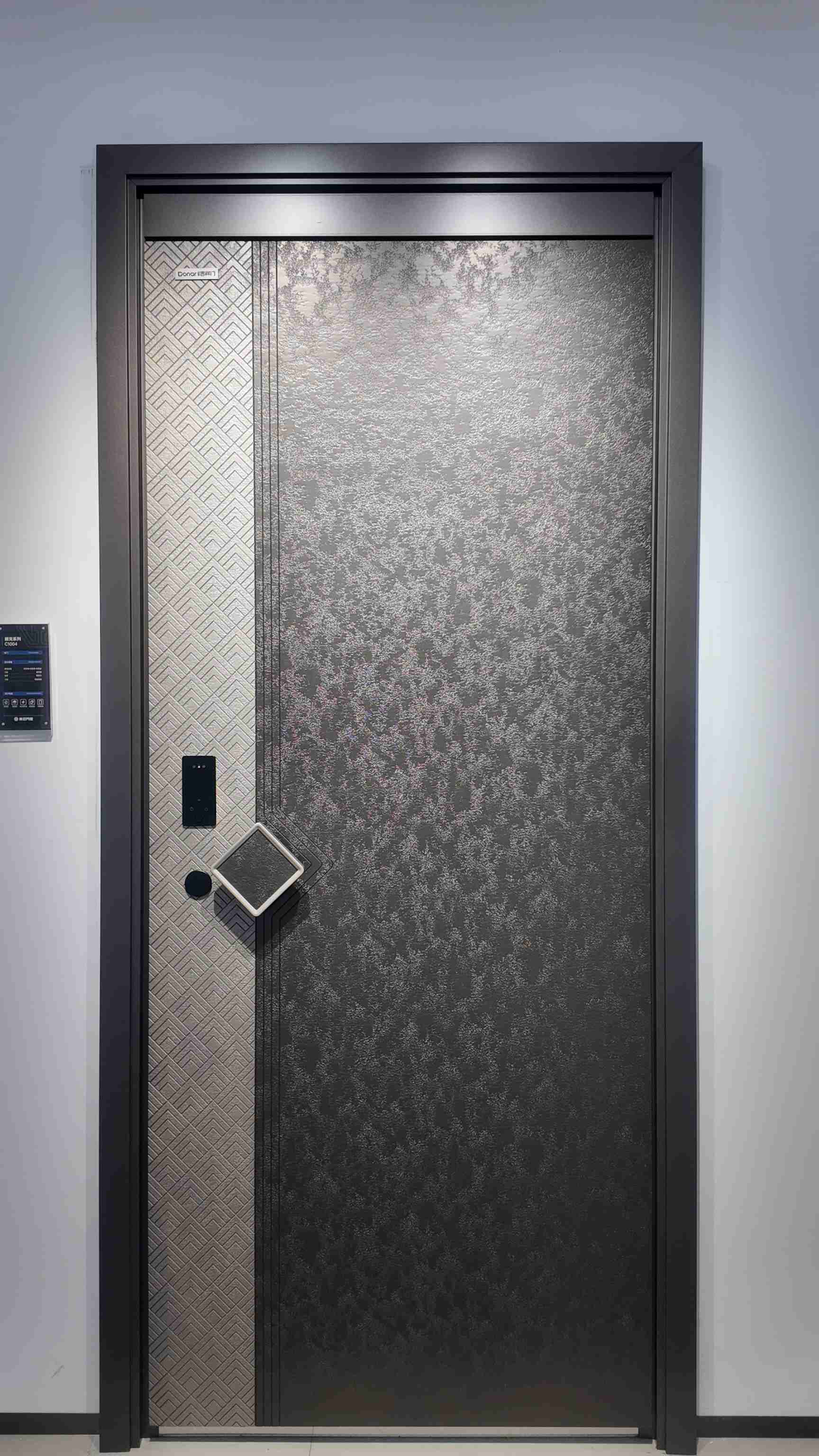
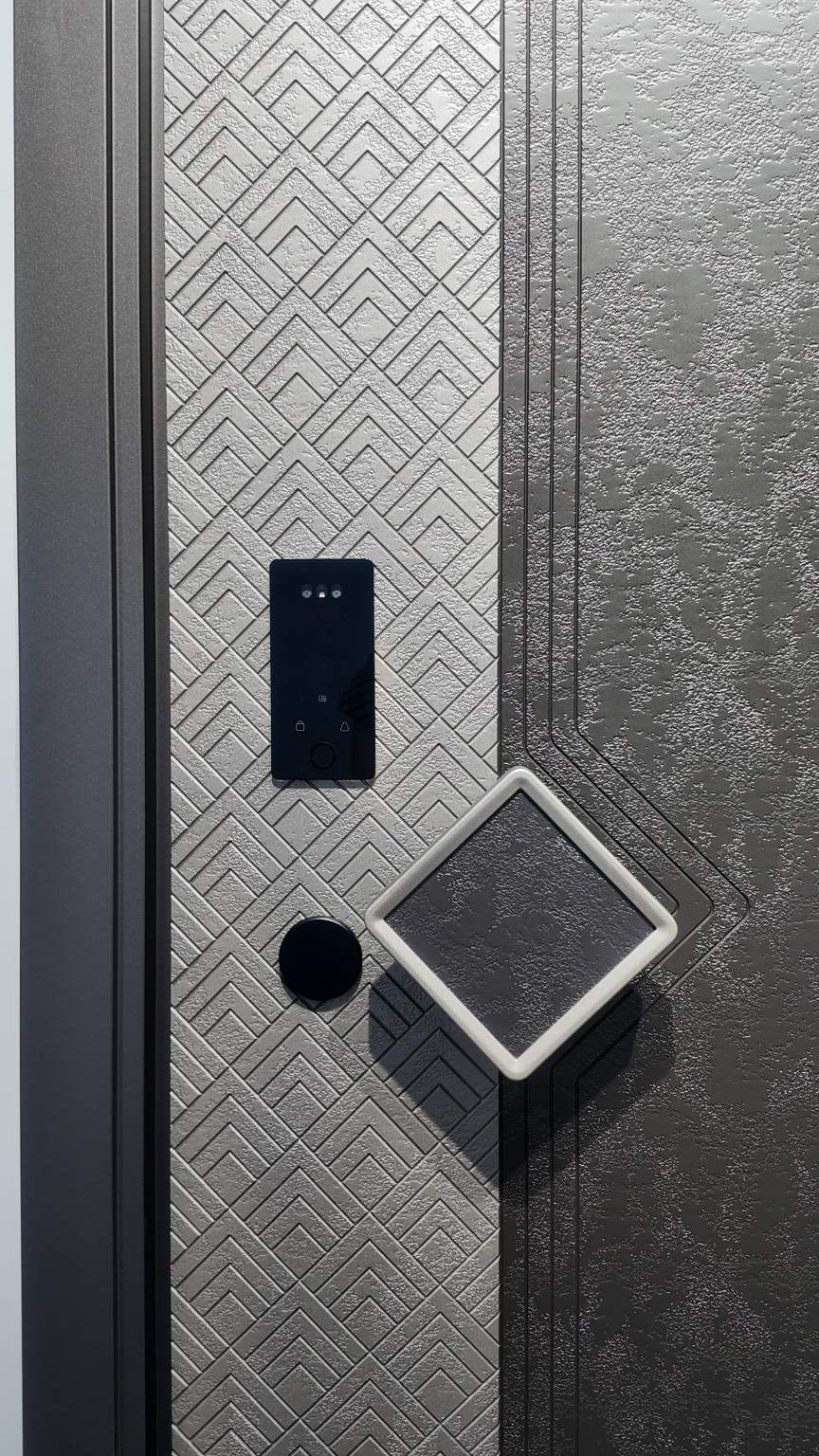
For projects requiring stronger protection, our Security Doors provide metal entrance configurations designed around reinforced structures and suitable locking systems.
Actual security performance should be verified through applicable testing rather than assumed from appearance or material thickness.
What Components Determine Entrance Door Security?
Five elements deserve particular attention.
01 - Door Leaf Construction
The internal frame, panel arrangement, and reinforcement influence resistance to deformation and impact.
02 - Locking System
The lock body, strike plate, and fixing points must work together to resist unauthorized opening.
03 - Hinge Strength
Hinges should support the door's weight and withstand repeated use without excessive movement.
04 - Frame Stability
A strong door leaf provides limited protection when the surrounding frame is poorly secured.
05 - Installation Quality
Correct anchoring, alignment, and connection to the wall structure are essential.
Our Inward-Outward Opening Stainless Steel Security Door combines 304 stainless steel construction, a substantial door leaf, and a multipoint locking arrangement.
This illustrates why the complete entrance assembly matters more than one isolated component.
Are Security Screen Doors Suitable for Commercial Buildings?
Security screens can be practical for secondary entrances where ventilation and visibility are important.
Examples include covered service entrances, selected apartment access points, and ventilated commercial areas.
For primary building entrances, however, privacy, weather resistance, access control, and emergency egress may require a more complete door system.
Commercial buyers should also verify applicable security, fire-safety, accessibility, and building requirements.
A screen door should not be treated as a replacement for a required fire-rated or security-rated assembly unless the complete product has been approved for that application.
How Should B2B Buyers Choose Between Them?
Before placing an order, confirm:
01 - Primary or secondary entrance application
02 - Required security performance
03 - Ventilation and privacy requirements
04 - Door and frame materials
05 - Lock and hinge specifications
06 - Opening dimensions and direction
07 - Exterior weather exposure
08 - Applicable test standards
09 - Installation and maintenance requirements
10 - Project quantity and customization needs
At DONAR, we support customized steel, stainless steel, and aluminum entrance doors for residential developments, villas, distributors, and construction projects.
Our manufacturing experience dating back to 1979 helps us evaluate door structures, dimensions, hardware arrangements, and project specifications before production.
Request a Custom Security Door Solution
For projects prioritizing stronger entrance protection, our team can review opening dimensions, materials, locking requirements, frame structures, surface finishes, and bulk order specifications.
We supply customizable security entrance doors for wholesalers, contractors, property developers, and private-label brands.
Request a Security Door Quotation