



Should Commercial Entrance Doors Swing Inward Or Outward?
Commercial entrance doors should swing outward when required by applicable emergency-egress regulations. Inward-swinging doors may be permitted in certain lower-occupancy or specialized applications. The correct direction depends on occupant load, fire safety, accessibility, entrance layout, and local building codes.
Table of Contents
- Why Does Door Swing Direction Matter in Commercial Buildings?
- When Must Commercial Doors Swing Outward?
- What Are the Main Differences Between Inward and Outward Swinging Doors?
- What Are the Advantages of Outward-Swinging Commercial Doors?
- When Can Commercial Doors Swing Inward?
- Does Opening Direction Affect Door Security?
- What Should Buyers Check Before Ordering Commercial Entrance Doors?
- How Does Our Factory Support Different Opening Configurations?
- Request Commercial Entrance Door Customization
Why Does Door Swing Direction Matter in Commercial Buildings?
Door swing direction affects how people enter, exit, and move through a building.
It also influences emergency evacuation, available circulation space, hardware selection, and installation requirements.
A door that opens into a narrow corridor may obstruct movement, while one that swings outward toward a public walkway can create different clearance and safety concerns.
For this reason, commercial entrance door direction should be determined during architectural planning rather than after the product is manufactured.
At DONAR, our entrance door manufacturing approach includes customized opening configurations, frame structures, hinges, and locking systems for different building applications.
When Must Commercial Doors Swing Outward?
Emergency-egress requirements are one of the most important considerations.
Under the 2024 International Building Code, Section 1010.1.2.1, certain swinging doors must open in the direction of egress travel when serving an area with an occupant load of 50 or more people or a Group H hazardous occupancy.
This is a U.S. model-code provision, and actual requirements depend on locally adopted codes and amendments.
Other jurisdictions may use different thresholds or rules.
Therefore, an outward-opening commercial entrance may be required even when an inward-opening configuration would appear more convenient.
Architects and project contractors should confirm the applicable requirements with the local authority having jurisdiction.
What Are the Main Differences Between Inward and Outward Swinging Doors?
| Factor | Inward-Swinging Door | Outward-Swinging Door |
|---|---|---|
| Emergency Egress | May Be Restricted | Often Required for Certain Occupancies |
| Interior Space | Requires Interior Swing Clearance | Preserves More Interior Swing Space |
| Exterior Space | Less Exterior Obstruction | Requires Exterior Clearance |
| Weather Exposure | Depends on Sealing Design | Requires Suitable Exterior Detailing |
| Hinge Arrangement | Depends on Installation | May Need Protected Hinges |
| Typical Applications | Selected Low-Occupancy Entrances | Many Commercial Exit Applications |
Neither opening direction is universally superior.
The appropriate configuration must match the building's function and approved architectural layout.
What Are the Advantages of Outward-Swinging Commercial Doors?
Outward-opening doors can support efficient evacuation when the exit direction leads directly outside.
They may also preserve interior space near entrances, helping keep internal circulation areas clear.
However, exterior clearance must be considered.
An outward-swinging door should not create unsafe obstructions in public walkways, accessible routes, or other required circulation areas.
The design must also account for wind exposure, door closers, threshold construction, and weather sealing.
For exterior metal doors, the hinge structure and frame should be suitable for the chosen opening arrangement.
When Can Commercial Doors Swing Inward?
Inward-swinging doors may be permitted in certain lower-occupancy commercial areas when local regulations allow them.
Examples may include smaller offices, private rooms, or specialized entrances that are not required to swing in the direction of egress travel.
However, the specific occupancy classification, occupant load, exit arrangement, and accessibility requirements must still be checked.
A door should not be changed from outward to inward opening simply to match an architectural preference without reviewing the approved egress design.
Does Opening Direction Affect Door Security?
Yes, but security performance depends on the complete assembly.
Outward-opening doors may expose hinge areas differently from inward-opening configurations.
Suitable hinge protection, non-removable hinge pins where appropriate, reinforced locking points, and secure frame connections can help address these concerns.
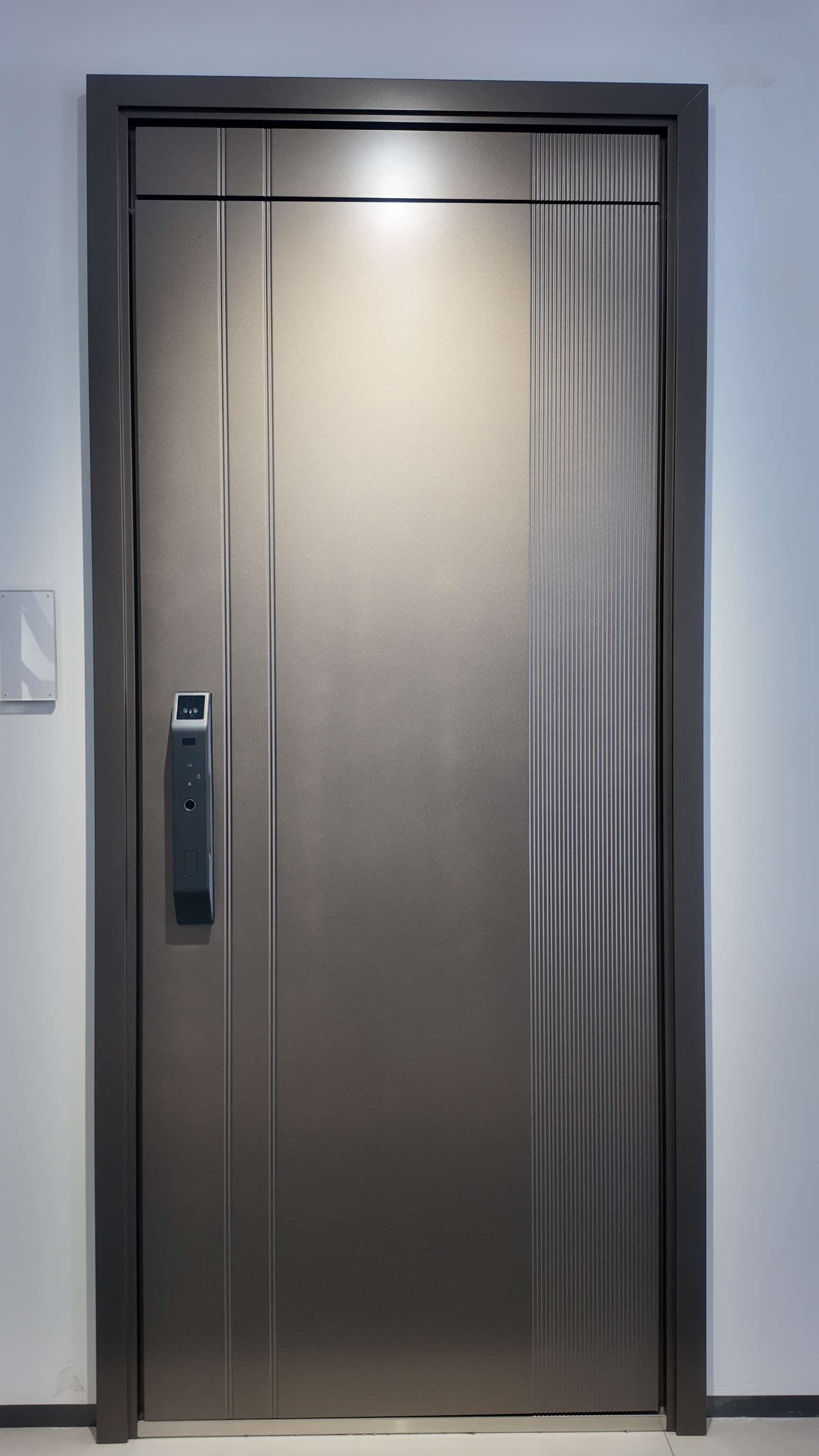
Our Inward-Outward Opening Stainless Steel Security Door offers both opening arrangements within its product configuration options.
The model uses 304 stainless steel construction, a substantial door leaf, and defined hinge and lock specifications.
For commercial applications, the configuration must still be reviewed against the project's safety and regulatory requirements.
What Should Buyers Check Before Ordering Commercial Entrance Doors?
A technical purchasing checklist should include:
01 - Building occupancy classification
02 - Required exit direction
03 - Occupant load
04 - Structural opening dimensions
05 - Door handing and swing direction
06 - Frame and wall thickness
07 - Exterior clearance
08 - Required accessible route
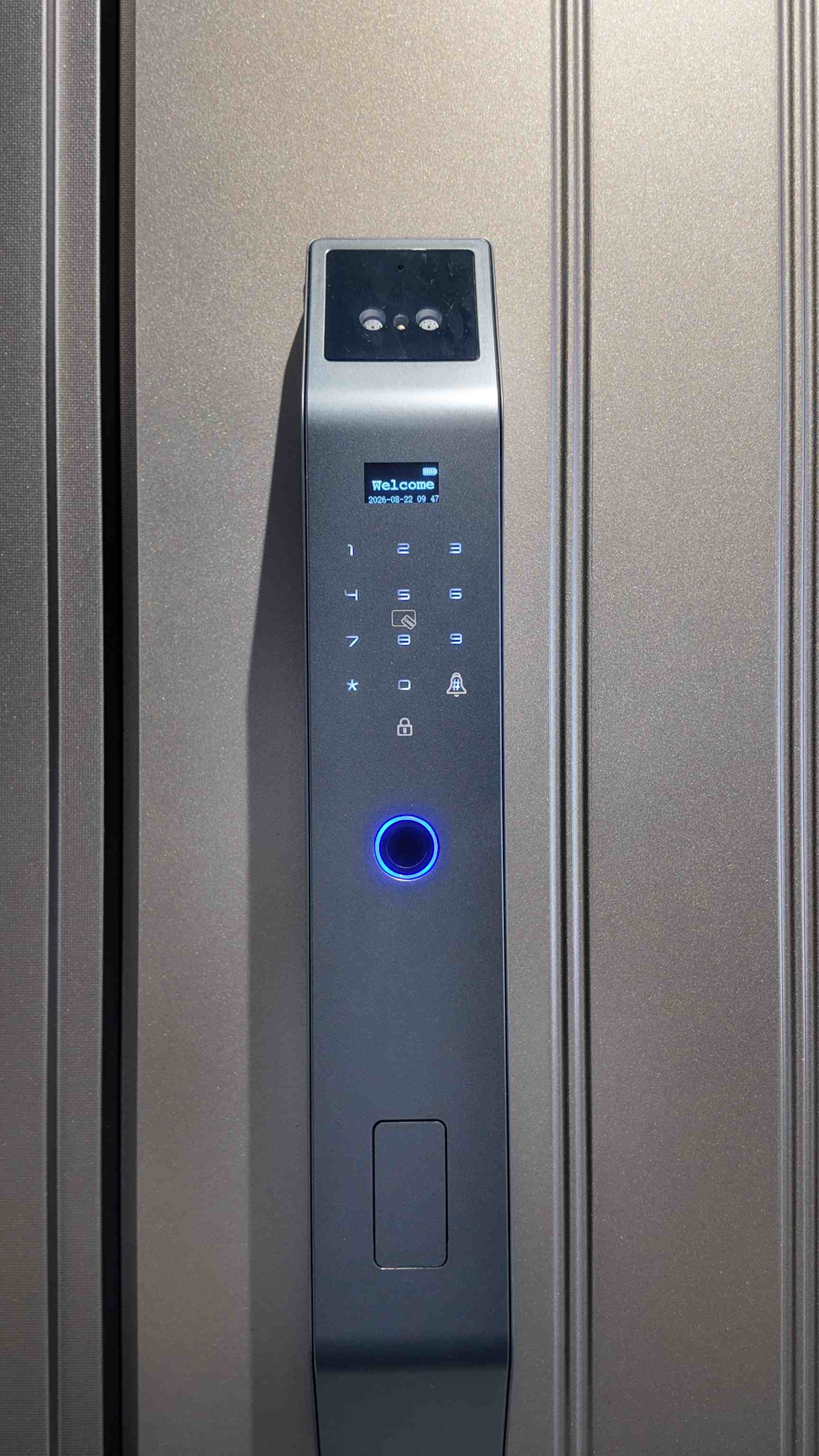
09 - Locking and panic hardware requirements
10 - Fire-rated assembly requirements where applicable
11 - Weather sealing and threshold design
12 - Installation and anchoring method
For buildings requiring panic or fire exit hardware, the complete hardware specification should be confirmed before production.
A strong locking system must never prevent occupants from using a required emergency exit.
How Does Our Factory Support Different Opening Configurations?
DONAR manufactures steel, stainless steel, and aluminum entrance doors with customizable structural and decorative specifications.
Our production involves metal processing, frame fabrication, surface finishing, and hardware assembly.
Our team coordinates opening direction with hinge positions, locking structures, frames, and approved dimensions.
For example, our Aluminium Front Entrance Door supports inward- and outward-opening options.
Through our manufacturing experience dating back to 1979, we understand that opening direction affects more than installation. It influences the relationship between the door leaf, frame, locking hardware, weather seals, and surrounding building structure.
Request Commercial Entrance Door Customization
DONAR supplies customized metal entrance doors for office buildings, residential developments, commercial projects, contractors, and international door distributors.
Our team can review door schedules, architectural drawings, opening directions, frame dimensions, finishes, hardware requirements, and bulk purchasing specifications.
Final compliance with emergency-egress and fire-safety requirements should be confirmed by the project's responsible design professionals.
Request a Commercial Entrance Door Quotation