



How To Install A Pre Hung Entry Door?
Installing a pre hung entry door looks simple on paper, but in real projects, the final result depends on opening accuracy, frame alignment, sealing details, and hardware stability. That is why many buyers search for how to install a pre hung entry door before they place an order or start a site job. A pre hung system is not just a door slab. It arrives as a complete unit with the door leaf already matched to the frame, which helps reduce fitting errors and improves installation efficiency when the product is made with the right tolerances. For projects that need a durable front entrance, DONAR’s Exterior Entry Doors are built around this kind of practical use, with a 304 stainless steel structure, 90 mm door leaf thickness, support for outward or inward opening, and customizable frame details for different site conditions.
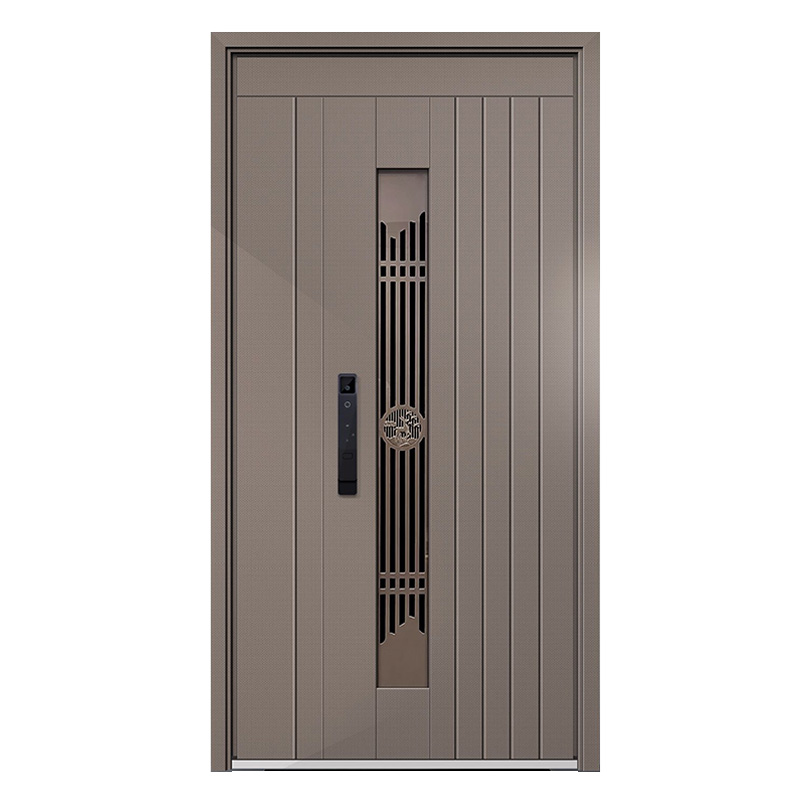
Table of Contents
- Why Pre Hung Entry Doors Are Easier To Install
- Check The Opening Before The Door Arrives
- Dry Fit The Door Unit First
- Shim The Frame And Control The Alignment
- Fix The Frame Without Pulling It Out Of Shape
- Seal The Perimeter Properly
- Finish The Hardware Check Before Handover
- Why Product Choice Still Matters
- Conclusion
Why Pre Hung Entry Doors Are Easier To Install
The main advantage of a pre hung door is that the frame and door leaf are already designed to work together. That saves time on site because installers do not need to build the hinge relationship from zero or spend as much time correcting door-to-frame mismatch. In project work, this matters because labor cost, adjustment time, and sealing accuracy all affect the final result. A well-prepared system also helps keep the reveal, swing, and closing feel more consistent across multiple units. For a front entrance product, that consistency is important because the door is used every day and is one of the most visible elements of the facade.
Check The Opening Before The Door Arrives
The first step is not lifting the door into place. It is checking the opening. The wall opening should be square, level, and structurally ready before installation starts. If the rough opening is uneven, even a well-made pre hung door can end up with poor closing, bad sealing, or hardware stress over time. Installers usually confirm width, height, plumb condition, and floor level first, then compare those conditions with the frame design.
This matters even more with exterior doors because the installation affects weather resistance as much as appearance. DONAR’s Exterior Entry Doors use a 45 mm back frame width and a 113 to 139 mm thread width range, which shows that frame dimensions need to be matched carefully to the site structure before installation begins.
Dry Fit The Door Unit First
Before fixing anything permanently, place the full pre hung unit into the opening and check the fit. This dry-fit step helps confirm whether the door sits properly in the wall and whether there is enough room for shimming and sealing. It also lets the installer verify swing direction before the unit is fixed. Since this product supports open outside and open inward, the opening direction should always be confirmed against the site layout and user flow before anchoring the frame.
For buyers managing multiple units, this step reduces avoidable rework. A door that is installed in the wrong direction or forced into an opening that is not ready will cost more time later than it saves in the moment.
Shim The Frame And Control The Alignment
Once the unit is positioned, the next job is frame alignment. Installers usually start at the hinge side, using shims to bring the frame into plumb. Then they check the head and strike side so the whole frame stays square. This step affects almost everything that comes later: gap consistency, smooth swing, latch engagement, and sealing performance.
This is especially important for a heavier stainless steel entrance system. DONAR’s Exterior Entry Doors use 304 stainless steel, a 90 mm thick door leaf, a stainless steel 5-hole hinge, and a 40 × 388 stainless steel 9-pillar lock body, so the frame needs to be set correctly from the start to support long-term stability.
Fix The Frame Without Pulling It Out Of Shape
After alignment is confirmed, fasten the frame gradually. This should be done in sequence rather than all at once, so the frame does not twist or pull out of square. Installers usually recheck the swing and closing action after partial fixing, then continue once the reveal remains even. If the frame is over-tightened on one side, the door may bind, sag, or fail to seal properly.
For B-end buyers, this is one of the most common installation pain points. A door may be blamed for poor performance when the real issue is uneven anchoring. That is why good installation practice matters just as much as the door specification.
Seal The Perimeter Properly
A pre hung exterior door is not fully installed when the frame is fixed. Perimeter sealing is what helps the system perform like an exterior product instead of a basic passage door. The gap between frame and wall should be insulated and sealed correctly so the installation can resist air leakage and water penetration. If this step is rushed, even a strong door will not deliver the expected field performance.
That point matches the logic behind DONAR’s product structure. The page highlights sealing performance, customizable frame structures, and long-term outdoor use as part of the Exterior Entry Doors system, which means the installation should support those same goals.
Finish The Hardware Check Before Handover
After the door is fully mounted, installers should test the opening, closing, lock engagement, hinge movement, and edge alignment several times. The lock should engage cleanly without forcing, and the door should sit evenly against the frame. If optional smart locks, password locks, or mechanical lock systems are used, they should be checked as part of the final adjustment, not left until after site completion. DONAR lists flexible lock options for this door category, so the final inspection should always match the actual hardware package selected for the project.
Why Product Choice Still Matters
Knowing how to install a pre hung entry door is important, but installation quality also depends on the product itself. A door with unstable structure, poor hardware matching, or limited frame options is harder to install well. That is why buyers usually prefer systems that already consider project needs such as material durability, opening direction, frame customization, and hardware configuration.
In this case, the Exterior Entry Doors line combines 304 stainless steel, configurable finishes, optional decorative panels, flexible frame structures, and ODM/OEM support, which makes it easier to adapt the door to real project conditions instead of forcing the site to adapt to a rigid standard unit.
Conclusion
If you want to understand how to install a pre hung entry door, the key is simple: prepare the opening carefully, dry fit the unit, align the frame correctly, fix it without distortion, and complete the sealing and hardware check properly. A good installation protects the value of the door and reduces later problems with closing, leakage, and site rework.
If you are sourcing Exterior Entry Doors for residential or project use and want guidance on frame selection, opening direction, hardware configuration, or installation fit, contact us. We can help you review your project requirements and provide practical support so the door works well not only on paper, but also on site.