


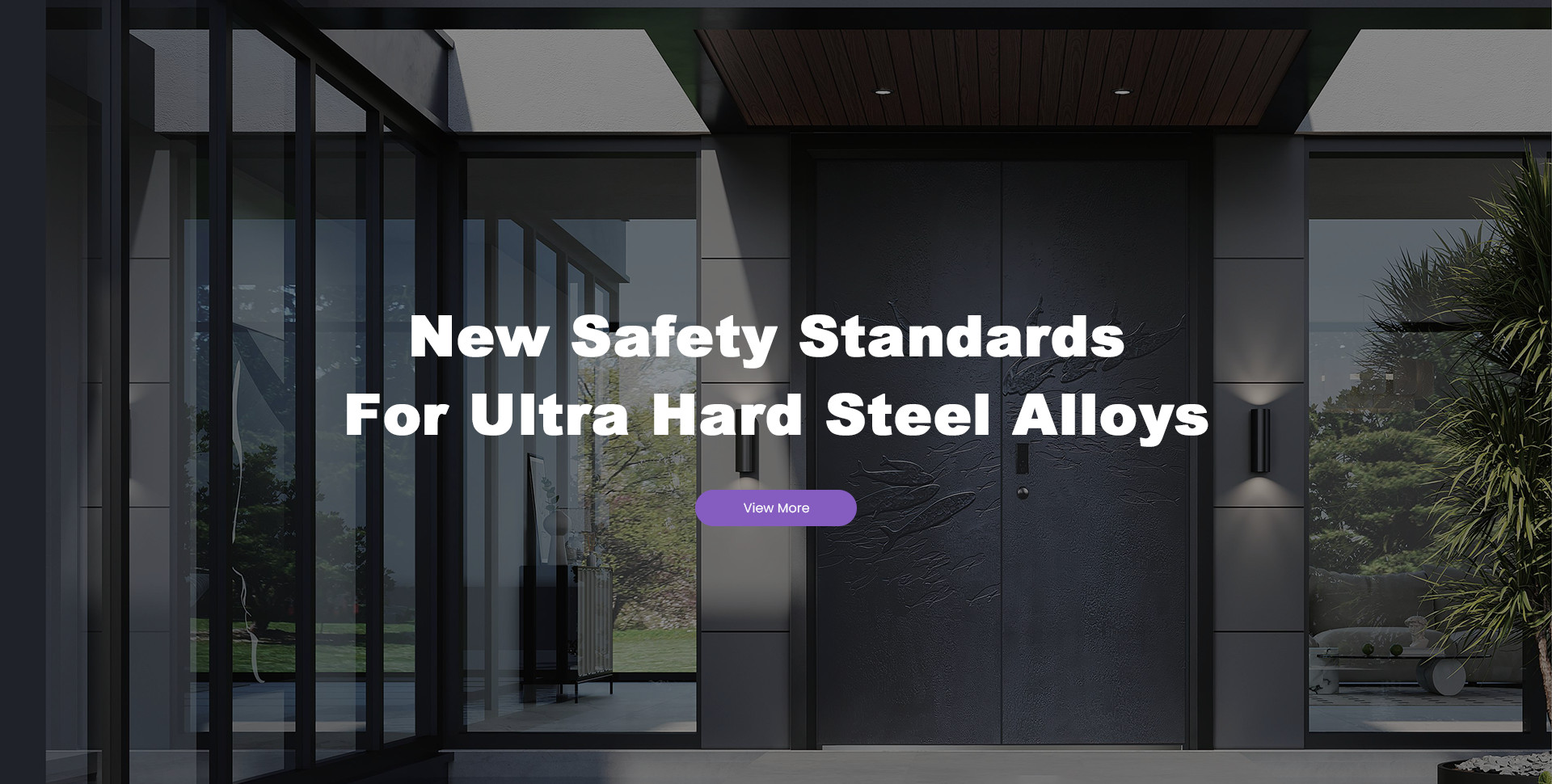

How To Choose Front Door Color?
Choosing a front door color is never only about picking a shade that looks nice on a sample card. The front door sits at the visual center of the entrance, and it often shapes the first impression of the whole building. In residential projects, villa developments, and custom home programs, color affects not only style but also product positioning, facade coordination, and buyer preference. That is why this decision matters to developers, distributors, contractors, and brands just as much as it matters to homeowners.
For B-end buyers, the question is usually broader than color alone. They want to know whether the finish can stay stable in outdoor use, whether custom colors are possible, and whether the supplier can keep consistency from sample approval to bulk production. This is especially important for entrance doors, where the product is both decorative and structural. Our steel frame residential entry doors fit naturally into this discussion because they are designed for exterior use and support customized colors, decorative panels, frame structures, and hardware options, along with ODM/OEM service.
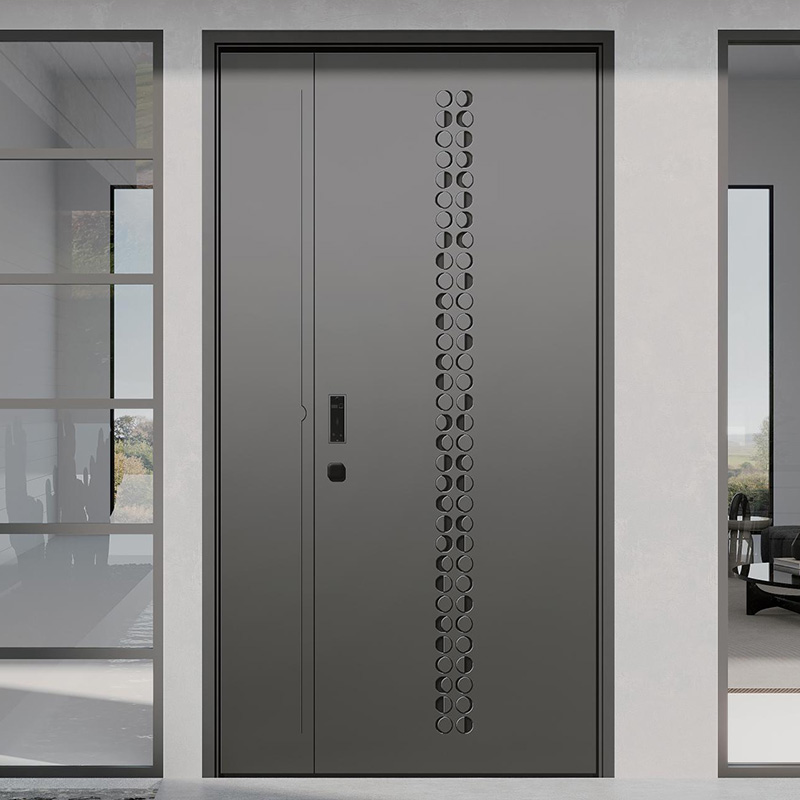
Table of Contents
- Start With The Building Style, Not The Color Card
- Think About Color As Part Of The Full Door System
- Outdoor Performance Matters More Than Many Buyers Expect
- Match The Color To The Market, Not Just The Designer’s Preference
- Do Not Ignore Material And Structure When Choosing Color
- Why Sample Approval Is So Important
- Conclusion
Start With The Building Style, Not The Color Card
The easiest mistake in front door selection is choosing a color in isolation. A front door should work with the facade, frame details, metal accents, and the overall architectural language of the building. A color that looks elegant on its own may feel disconnected once it is installed beside stone, glass, or painted exterior walls.
This is why project buyers usually start from the building style first. A more architectural facade may need restrained metallic or gray tones. A warmer residential exterior may work better with softer brown or textured finishes. Our product direction supports that kind of planning because the door series can be coordinated through custom colors and surface-finish options rather than forcing every project into one fixed look. The product page specifically notes brownish gray or custom colors and a wide range of optional finishes, including metallic textures, fine sand textures, and composite coating effects.
Think About Color As Part Of The Full Door System
A front door color should not be separated from the rest of the door system. Hardware tone, decorative panel structure, hinge style, and lock finish all influence the final result. In a premium entrance product, color works best when it is developed together with the visible details instead of being added at the end.
This is one reason custom entrance doors continue to attract attention in higher-value residential markets. Buyers want a more complete solution, not just a leaf and frame. Our product line supports that idea because the door system allows customization not only in color, but also in decorative panels, hardware, locks, and frame structure. That makes the final entrance feel more intentional and more suited to the target market.
Outdoor Performance Matters More Than Many Buyers Expect
A front door is exposed to repeated daily use and changing outdoor conditions, so finish choice is not only visual. Buyers also care about how the color ages, whether the surface keeps a stable appearance, and whether the finish can continue to match the facade after long-term exposure.
This is one of the key pain points in entrance-door sourcing. A color may look right in the first sample, but if the finish is unstable or inconsistent across later production, the project quickly loses value. That is why experienced buyers usually evaluate the supplier’s finishing control together with the color choice itself. On our door range, the optional finish system is designed to support both visual coordination and longer-term exterior performance, which is especially useful for custom residential entrance projects.
Match The Color To The Market, Not Just The Designer’s Preference
For OEM projects and distribution programs, the best front door color is often the one that aligns with local buying habits. A modern neutral tone may perform well in one market, while another market may prefer stronger contrast or warmer exterior colors. This is why color selection in door sourcing is often a commercial decision as well as a design decision.
That is also where an OEM Door supplier becomes more valuable than a standard stock-only supplier. Buyers may need market-specific finishes, branded product combinations, or a tailored mix of panel texture and hardware style. A supplier that can support OEM or ODM development helps the customer create a more targeted door collection instead of relying only on common catalog colors. Our product page clearly notes ODM/OEM service, which is important for brands and distributors developing custom entrance-door lines.
Do Not Ignore Material And Structure When Choosing Color
Color works differently depending on the underlying structure and materials. In our steel frame residential entry doors, the steel-and-aluminum construction is paired with a multi-layer door panel system and polyurethane foam filling, while the front panel can use precision-carved aluminum plate in different thicknesses. That means the finish is being applied to a door designed for stability, insulation, and long-term exterior use, not just for appearance. For B-end customers, this matters because the color decision should support the full product value. A strong finish on a weak door is still a weak offer. But a well-developed finish on a stable door system gives buyers a more convincing product story, especially in custom housing, villa entries, and premium residential supply.
Why Sample Approval Is So Important
One of the most common sourcing issues is the gap between sample approval and mass production. Buyers may approve one color, then later find small differences in sheen, texture, or depth when bulk production starts. In entrance-door projects, that problem is highly visible because the front door is meant to stand out.
This is why communication and customization support are so important. Buyers need more than color names. They need clear finish confirmation, structural matching, and repeatable production. A supplier that understands this process can reduce uncertainty and make the final order easier to control.
Conclusion
So, how to choose front door color? The best answer is to start with the building style, then consider the full door system, long-term outdoor performance, and the preferences of the target market. A front door color should do more than look attractive in a sample. It should support the project visually, stay reliable over time, and remain consistent in bulk production.
If you are sourcing custom entrance doors for villas, residential developments, distribution, or private-label programs, we can help you review color direction, finish options, and OEM or ODM requirements. Share your facade style, project drawings, or market preference with us, and we can help you develop a front door solution that is easier to position and stronger in real use.
Previous: How To Hang Wreath on Front Door?