



How To Evaluate Fire Rated Door Quality for Projects?
Fire rated doors are critical for building safety, especially in apartments, villas, commercial buildings, hotels, and public facilities. For project buyers, the main concern is not only whether the door looks modern, but whether it can provide stable fire protection, security, durability, and installation performance across the whole project.
For contractors, developers, distributors, and OEM/ODM buyers, evaluating door quality before bulk ordering helps reduce project risk, avoid compliance issues, and control long-term maintenance costs.
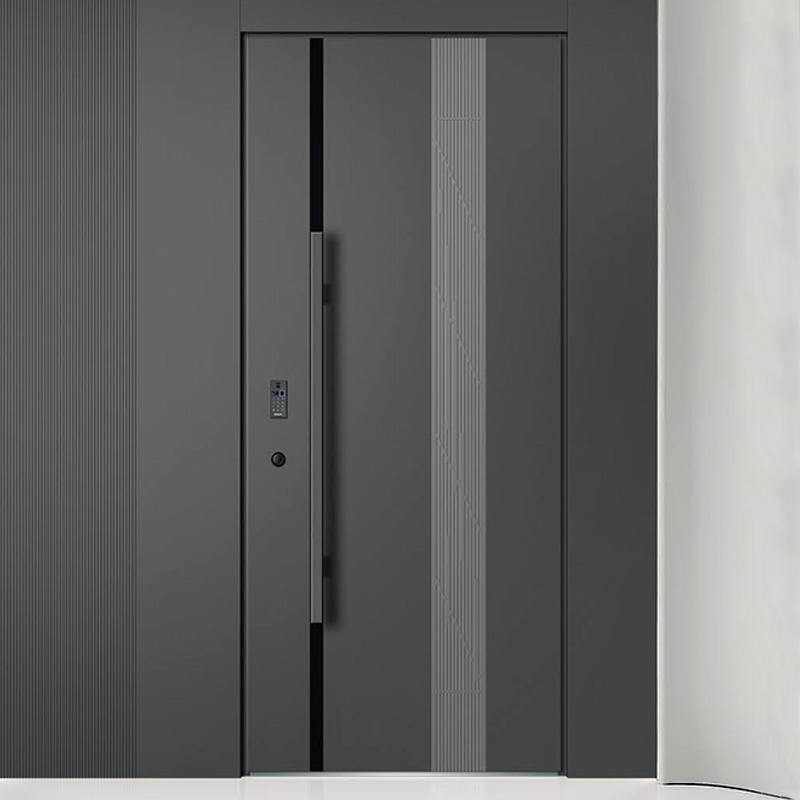
Table of Contents
- Check Fire Rated Structure First
- Review Certification And Test Requirements
- Evaluate Material Strength And Door Stability
- Check Sealing And Smoke Control Details
- Confirm Hardware Compatibility
- Inspect Surface Finish And Exterior Durability
- Compare Sampling With Bulk Production
- Consider Total Project Cost
- Conclusion
Check Fire Rated Structure First
The core value of a fire rated door comes from its structure. A qualified door should have a stable door leaf, strong frame, reliable internal filling, and proper sealing design. If the structure is weak, the door may deform under heat or fail to keep smoke and flames controlled during an emergency.
When evaluating fire rated metal doors, buyers should check how the door leaf, frame, hinges, lock area, and sealing system work together. Fire resistance is not decided by one part alone. The whole door system must be considered.
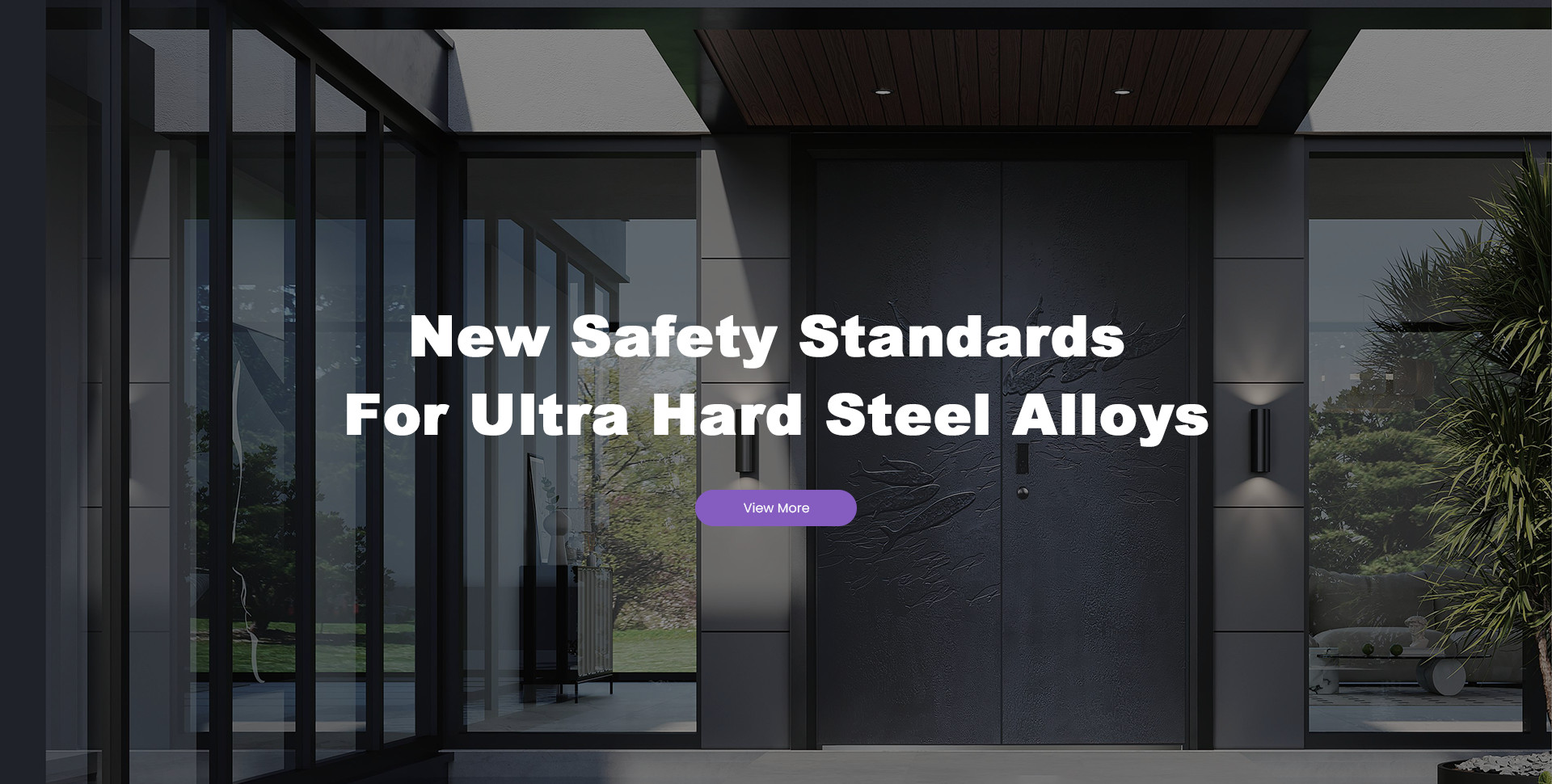
Our luxury composite doors are designed for entrance applications that require durability, security, and refined appearance. For project buyers, this type of door can support both functional protection and architectural design needs.
Review Certification And Test Requirements
For fire rated door projects, certification is a key point. Different markets may require different standards, such as UL, BS, EN, or local building regulations. Buyers should confirm the required fire rating before ordering, such as 30 minutes, 60 minutes, 90 minutes, or longer.
A supplier should be able to discuss the project’s target market and help buyers match suitable specifications. This is especially important for importers and contractors who need documents for project approval, tender submission, or building inspection.
Without clear certification requirements, buyers may choose a door that looks suitable but cannot meet the final project standard.
Evaluate Material Strength And Door Stability
Fire rated doors also need strong daily-use performance. In many projects, entrance doors are opened and closed repeatedly every day. If the material is too thin or the structure is unstable, the door may develop alignment issues, noise, frame movement, or hardware failure.
Buyers should pay attention to:
Door leaf thickness
Frame strength
Internal reinforcement
Hinge position
Lock area protection
Surface impact resistance
For villas, apartments, and commercial entrances, the door should provide both safety and long-term stability.
Check Sealing And Smoke Control Details
In real building safety, smoke control is just as important as flame resistance. A good fire rated door should include suitable sealing strips and tight closing performance. Poor sealing may allow smoke to pass through gaps, reducing the safety value of the door.
Project buyers should check the door gap, sealing structure, threshold design, and closing performance. For large orders, these details must remain consistent from one door to another.
This is one reason why stable manufacturing quality matters so much in bulk projects.
Confirm Hardware Compatibility
Locks, hinges, handles, closers, cylinders, and smart lock systems must match the door structure and safety requirements. A strong door with weak hardware may still create problems during installation or daily use.
For fire rated applications, hardware selection should not be treated as decoration only. Buyers should confirm whether the hardware supports the required function, opening direction, security level, and installation environment.
For OEM/ODM projects, hardware configuration can be adjusted based on market positioning, budget, and project requirements.
Inspect Surface Finish And Exterior Durability
Many fire rated doors are used as entrance doors, so appearance and durability are both important. Surface finish affects the first impression of the building, while exterior durability affects long-term maintenance.
Buyers should check whether the finish is even, scratch resistant, weather resistant, and suitable for the installation environment. For luxury residential and commercial projects, stable color and clean surface details are especially important.
A door that combines safety structure with a refined appearance can help project buyers meet both technical and design expectations.
Compare Sampling With Bulk Production
A sample door can look good, but bulk production is the real test. Before placing a large order, buyers should confirm whether the supplier can keep the same size accuracy, surface finish, frame structure, hardware position, and packaging standard across all units.
For construction projects, inconsistent door quality can delay installation and increase labor costs. A reliable supplier should support inspection before shipment and provide clear communication during production.
DONAR supplies entrance door solutions for buyers who need security, durability, and modern design support. For project-based orders, we can discuss size, finish, structure, hardware, packaging, and customization details according to your application.
Consider Total Project Cost
The lowest unit price does not always reduce project cost. Poor quality fire rated doors can lead to installation adjustment, replacement, inspection failure, and after-sales claims.
A better approach is to evaluate the total cost of ownership. This includes purchase price, installation time, damage rate, maintenance, compliance risk, and long-term customer satisfaction.
For B2B buyers, choosing a reliable supplier can help reduce hidden costs and make the project easier to manage.
Conclusion
Evaluating fire rated door quality requires checking structure, certification needs, material strength, sealing performance, hardware compatibility, surface finish, and bulk production stability. For project buyers, these details directly affect safety, installation efficiency, compliance, and long-term value.
A good fire rated entrance door should not only meet safety requirements, but also support modern building design and reliable daily use.
If you are preparing a fire rated door project, share your target market, fire rating requirement, door size, design style, hardware needs, and estimated quantity with us. Our team can help review your specifications and provide practical guidance for your next order.