



How Do I Find Suppliers in Southeast Asia?
Finding suppliers in Southeast Asia requires more than searching for the lowest quotation. The region includes several countries with different manufacturing strengths, infrastructure, labor markets, regulations, ports, currencies, and supplier capabilities.
Southeast Asia has become more important in global sourcing as companies diversify supply chains and explore production in Vietnam, Thailand, Indonesia, Malaysia, Cambodia, and other ASEAN markets. However, moving supply to another country does not automatically reduce total cost or purchasing risk. (sourcing.hktdc.com)
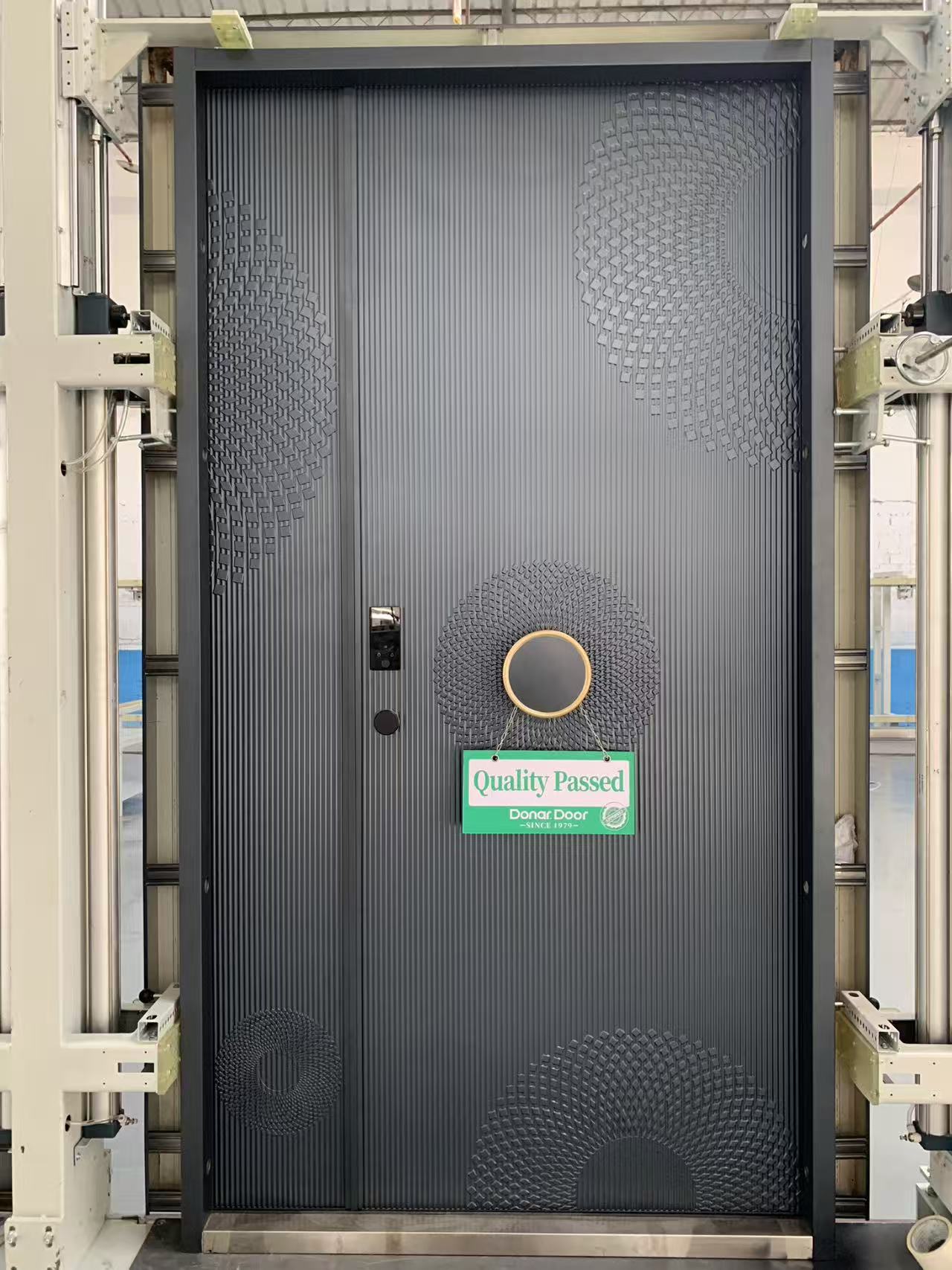
Table of Contents
- Define the Product Before Searching
- Select the Country by Industry Strength
- Where to Search for Suppliers
- Screen the Supplier Before Requesting Samples
- Verify the Factory
- Compare Total Landed Cost
- Start with a Controlled Trial Order
- Southeast Asia and China Can Be Compared Together
- Discuss Your Entrance Door Sourcing Plan
- Build a Supplier Base, Not Just a Supplier List
Define the Product Before Searching
A vague inquiry produces vague supplier results.
Before searching, prepare a basic specification containing:
Product name
Material
Dimensions
Required functions
Quality standard
Estimated quantity
Packaging
Target price range
Destination port
Required certification
Desired delivery time
For entrance doors, the specification should also include the wall opening, door-leaf dimensions, opening direction, frame structure, lock type, hinge side, surface finish, and installation environment.
Select the Country by Industry Strength
Not every Southeast Asian country is equally strong in every product category.
A country may be competitive in furniture, textiles, electronics, automotive components, food processing, or rubber products but have limited experience with large customized entrance doors.
Evaluate:
Local material supply
Manufacturing equipment
Skilled labor
Port access
Export experience
Industrial clusters
Quality-control capability
Customs and tariff conditions
Supplier communication
Regional logistics
Country selection should follow the product rather than the other way around.
Where to Search for Suppliers
Useful sourcing channels include:
Industry Exhibitions
Trade fairs allow buyers to compare multiple suppliers, inspect samples, and discuss technical requirements directly.
Business-to-Business Platforms
Online sourcing platforms can provide a starting list, but supplier profiles should be independently verified.
Industry Associations
Local manufacturing associations and chambers of commerce may help identify established companies.
Independent Sourcing Agents
A professional agent can support language, factory visits, quality inspections, and logistics, but the agent’s fees and incentives should be transparent.
Referrals
Recommendations from importers, contractors, component suppliers, or testing companies can reduce the initial screening workload.
Factory Websites and Search Engines
A factory website should show more than product photographs. Look for manufacturing information, technical specifications, customization details, contact information, and evidence of export experience.
Screen the Supplier Before Requesting Samples
Ask each potential supplier for:
Company registration information
Factory address
Main product categories
Export markets
Production equipment
Quality-control process
Material sources
Minimum order quantity
Standard lead time
Sample policy
Packaging options
Payment terms
A company that avoids basic technical questions may not control production directly.
Verify the Factory
A supplier audit can be completed in person or through an independent inspection company.
During the audit, check:
Whether the factory actually produces the product
Production-line condition
Raw-material storage
Work-in-process control
Measuring equipment
Finished-product inspection
Packaging area
Warehouse organization
Order traceability
Worker and safety conditions
For customized entrance doors, review laser cutting, CNC processing, welding, forming, surface finishing, assembly, lock fitting, inspection, and packaging.
Compare Total Landed Cost
The lowest factory price is not always the lowest final cost.
Calculate:
Product cost
Mold or development fees
Inland transport
Export charges
Ocean or land freight
Insurance
Import duty
Testing costs
Inspection fees
Warehouse expenses
Damage and replacement risk
A long shipping route, weak packaging, or inconsistent production can eliminate an apparent purchasing advantage.
Start with a Controlled Trial Order
Do not begin with the largest possible order.
A trial order allows you to test:
Product consistency
Communication speed
Packing quality
Documentation
Production lead time
Loading accuracy
Delivery reliability
Complaint handling
For custom entrance doors, approve drawings, materials, finishes, locks, and a physical sample before bulk production.
Southeast Asia and China Can Be Compared Together
Supply-chain diversification does not always mean completely replacing an existing Chinese manufacturer. Many buyers combine suppliers from China and Southeast Asia according to product type, technical capability, and delivery needs.
For high-end non-standard entrance doors, mature manufacturing clusters in Guangdong continue to offer advantages in materials, hardware, CNC processing, customization, and export coordination.
Our factory in Guangdong has operated since 1979 and covers approximately 80,000 square metres, with automated equipment, ERP production management, and OEM/ODM support for customized entrance doors. (donardoor.com)
Discuss Your Entrance Door Sourcing Plan
Buyers comparing suppliers across Asia can send us their drawings, dimensions, preferred materials, locks, surface finishes, quantities, and destination market.
Donar Door Factory
Foshan Dongxi Metal Co., Ltd.
Guangdong Province, China
Tel: +86 136 3013 6207
WhatsApp: +86 139 2322 3756
Email: donardoorfactory@gmail.com
Website: www.donardoor.com
Build a Supplier Base, Not Just a Supplier List
The objective is not to collect the most quotations. It is to identify manufacturers that can meet the same specification repeatedly.
A reliable sourcing decision should balance product capability, quality control, communication, lead time, logistics, customization, and total landed cost.