



What Are The Key Differences Between A Security Door And A Standard Exterior Door?
The key differences between a security door and a standard exterior door are found in the door-leaf structure, frame reinforcement, locking system, hinge protection, anchoring, and resistance to forced entry. A standard exterior door mainly controls access and protects an opening from weather, while a security door is engineered to provide a higher level of physical protection.
Appearance alone cannot confirm whether a door is a security product. A heavy-looking door may still have weak locking or frame components, while a properly engineered security door distributes loads across the complete entrance assembly.
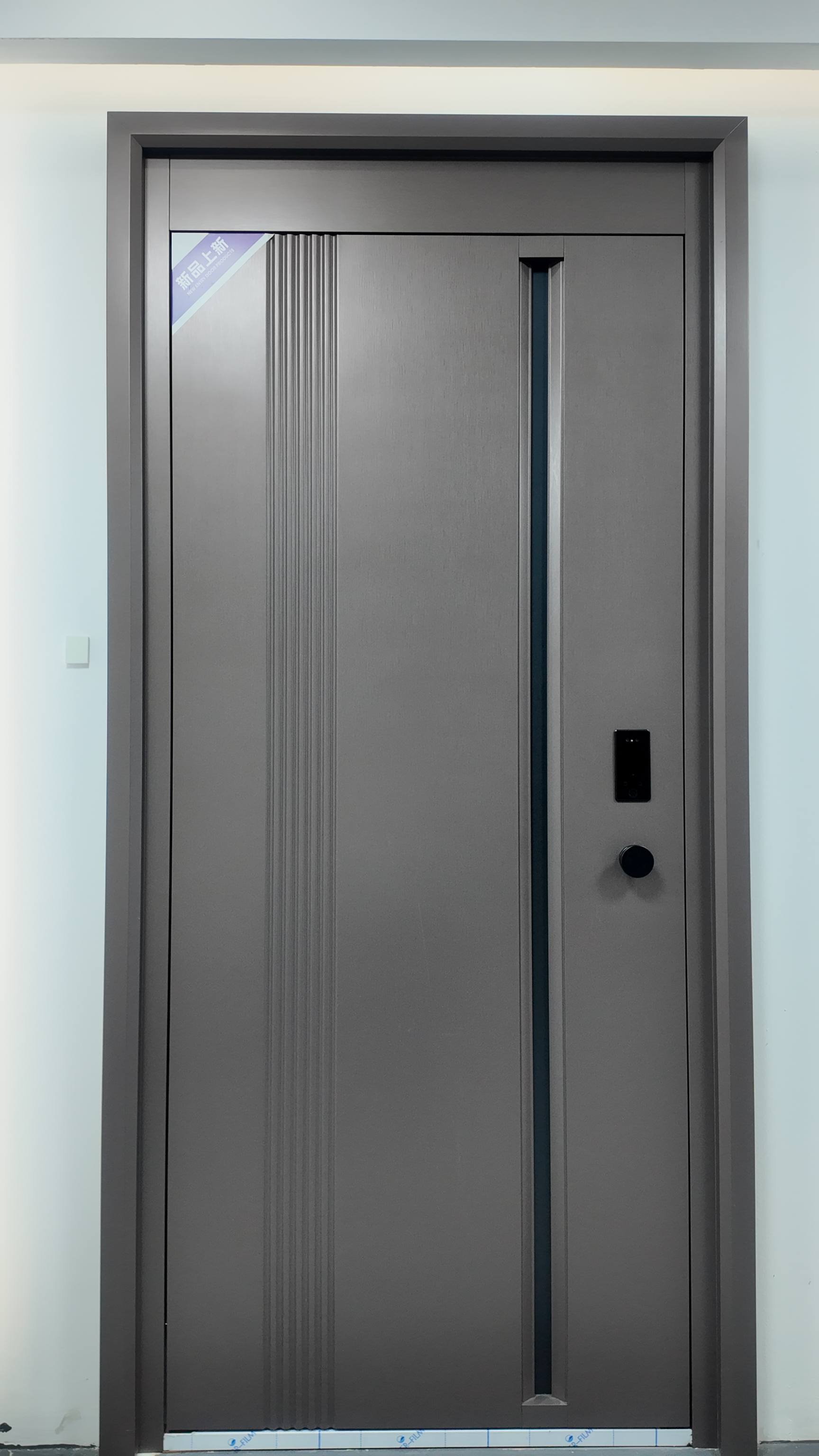
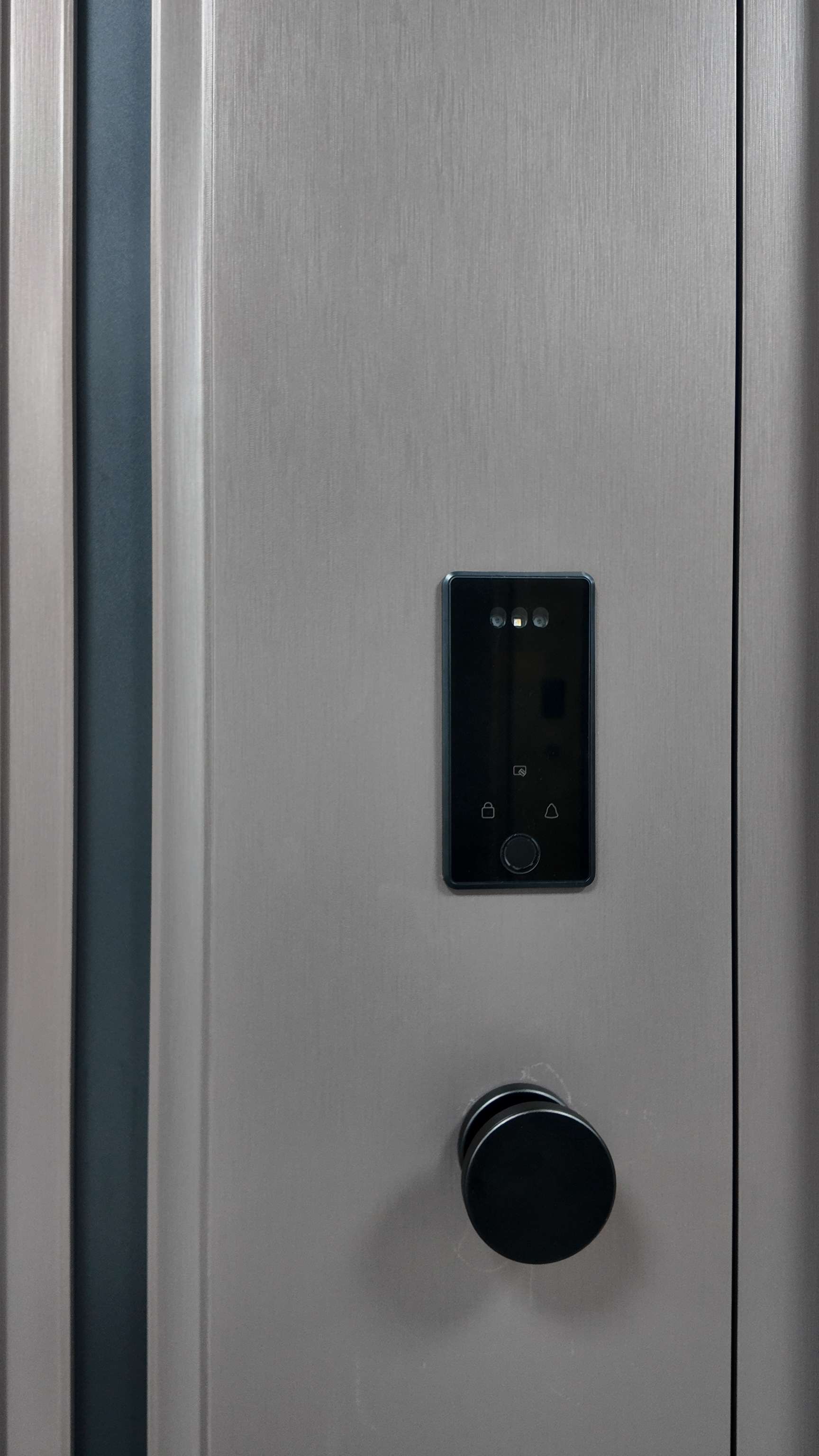
Table of Contents
Different Design Priorities
A standard exterior door is selected primarily for everyday entry, weather separation, privacy, and architectural appearance. It may offer basic security through a conventional lock and properly installed frame.
A security door gives greater attention to forced-entry resistance. The door leaf, lock side, hinge side, frame, and wall connections must work together when exposed to impact, prying, manipulation, or repeated force.
Both door types still need reliable weather sealing and smooth operation. Security requirements do not eliminate the need for comfort, drainage, insulation, and design.
Door-Leaf Construction
Standard exterior doors can be made from aluminium, steel, wood, PVC, fiberglass, or composite materials. Their internal structures vary considerably.
Security Doors often use metal panels, reinforced internal sections, stronger edge structures, and more substantial connections around the lock and hinges. Some designs use stainless steel or steel-and-aluminum composite construction to balance security, corrosion resistance, and decorative appearance.
Door thickness by itself is not enough to assess performance. Buyers should ask what materials are used inside the leaf and how critical areas are reinforced.
Frame and Installation
The frame is one of the most important differences. A strong door leaf installed in a weak or poorly anchored frame can still be vulnerable.
Security-door frames are generally designed to resist deformation around the lock and hinge areas. Anchoring must transfer loads into an appropriate wall or structural opening.
Installation details should therefore be confirmed before manufacturing. Wall thickness, opening dimensions, floor level, inward or outward operation, and fixing conditions all affect the final door configuration.
Locking System
Standard exterior doors may use a single latch and deadbolt. This can provide adequate access control for many ordinary entrances when the products and installation are appropriate.
Security doors often use reinforced lock bodies or multiple locking points. Distributing locking points along the door edge can improve contact between the leaf and frame and reduce reliance on one small area.
Smart locks may add fingerprint, password, card, or remote-access functions, but electronic convenience is not the same as physical resistance. The lock body, strike area, emergency access, power supply, and mechanical backup should all be evaluated.
Hinges and Protected Edges
Hinges must support the door’s weight and maintain alignment throughout repeated operation. Security doors may use heavy-duty, adjustable, concealed, or protected hinge arrangements depending on the design.
The hinge side should remain protected even if the external hinge components are attacked or removed. Lock edges may also use interlocking or anti-pry structures to reduce direct access to vulnerable gaps.
Buyers should check whether these features belong to the actual quoted configuration rather than assuming they are included across an entire product category.
Testing and Specification
Security claims should be linked to defined construction details and, where applicable, relevant test reports or standards. Requirements vary by country, building type, insurance provider, and project specification.
A buyer should examine:
Door-leaf and frame materials
Panel and structural thicknesses
Internal reinforcement
Lock type and locking points
Hinge construction
Strike reinforcement
Frame anchoring
Glass security where used
Emergency-egress requirements
Weather and corrosion exposure
Standard exterior doors should also be assessed for durability, sealing, hardware cycles, and installation suitability, even if enhanced forced-entry resistance is not required.
Producing Security Entrances
We specialize in manufacturing metal entrance systems and produce security doors, Stainless Steel Front Doors, steel entrance doors, Luxury Front Doors, and Aluminium Front Doors. Different models can use stainless steel, steel, aluminium, or composite structures according to the confirmed design.
As a commercial grade security door manufacturer, we can discuss dimensions, panel construction, frame configuration, opening direction, decorative finish, hinges, and lock requirements with distributors, contractors, and developers. OEM and ODM production also supports coordinated colors, panels, door-frame structures, and hardware for projects requiring a consistent entrance series.
The most useful manufacturing contribution is not simply adding more metal. It is coordinating the leaf, frame, hinges, locks, and installation dimensions so that no single component becomes an obvious weak point.
Which Door Does a Project Need?
A standard exterior door may be appropriate for entrances where weather protection, privacy, appearance, and ordinary locking are the main requirements. A security door is more appropriate where stronger resistance to forced entry, reinforced locking, and greater structural protection are priorities.
Property type, local risk, building regulations, user requirements, and installation conditions should guide the decision. Specifying a security door without examining the wall and installation method can leave the entrance system incomplete.
Discuss Your Security Requirements
Provide the opening dimensions, wall structure, preferred material, security expectations, lock type, finish, and required quantity. Send your security door requirements to our team for a project-specific entrance configuration.