



Security Doors vs Security Screens: What’s the Difference and Which One Do You Need?
Security Doors and security screens are both used to improve entrance protection, but they are not interchangeable products. A security door creates a stronger physical barrier between the interior and exterior, while a security screen usually focuses on ventilation, visibility, and secondary protection. The right choice depends on the entrance function, security level, climate, privacy requirements, and building type.
For homeowners, contractors, property developers, door distributors, and project procurement teams, understanding this difference is important before ordering products in large quantities.
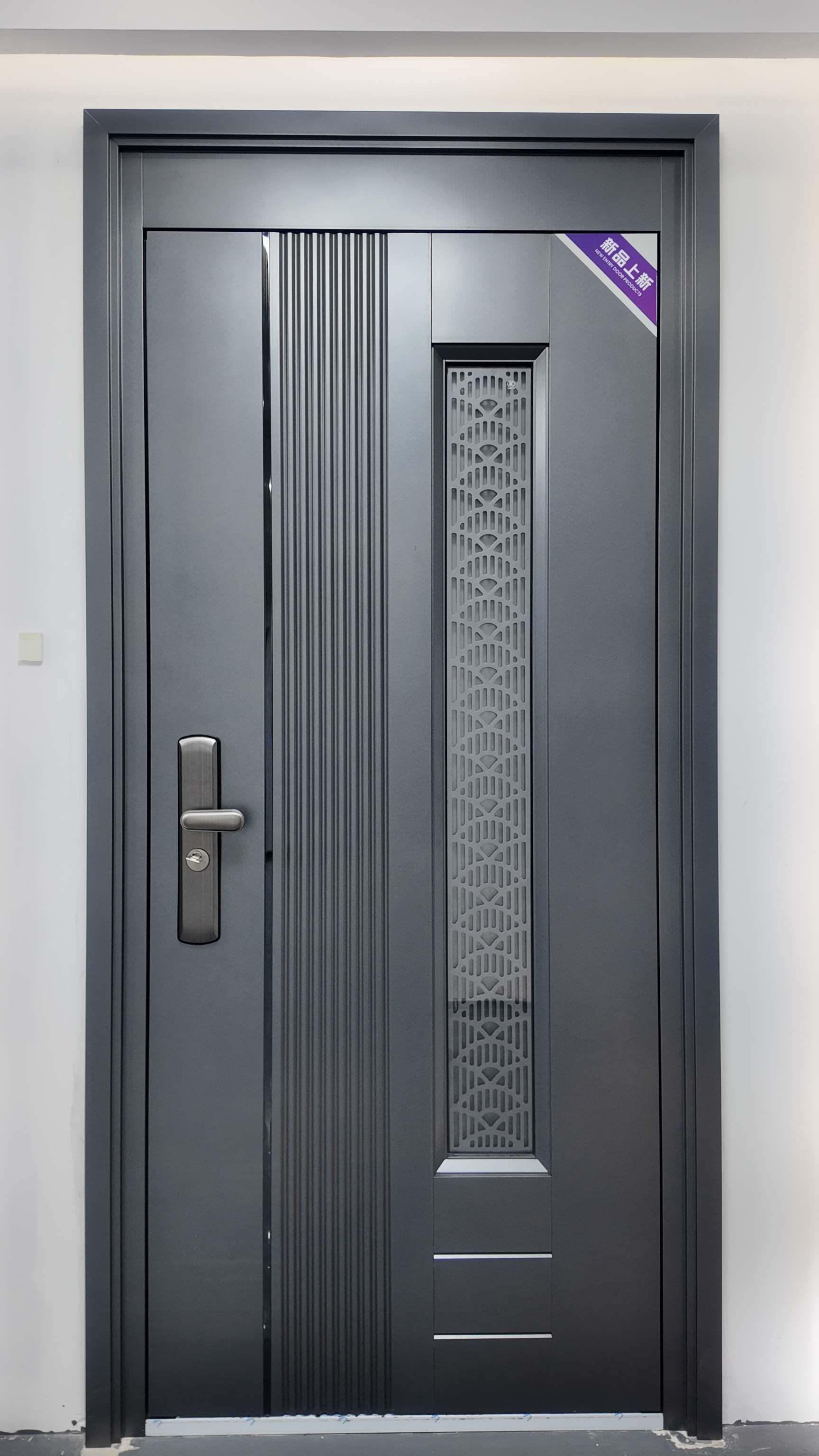
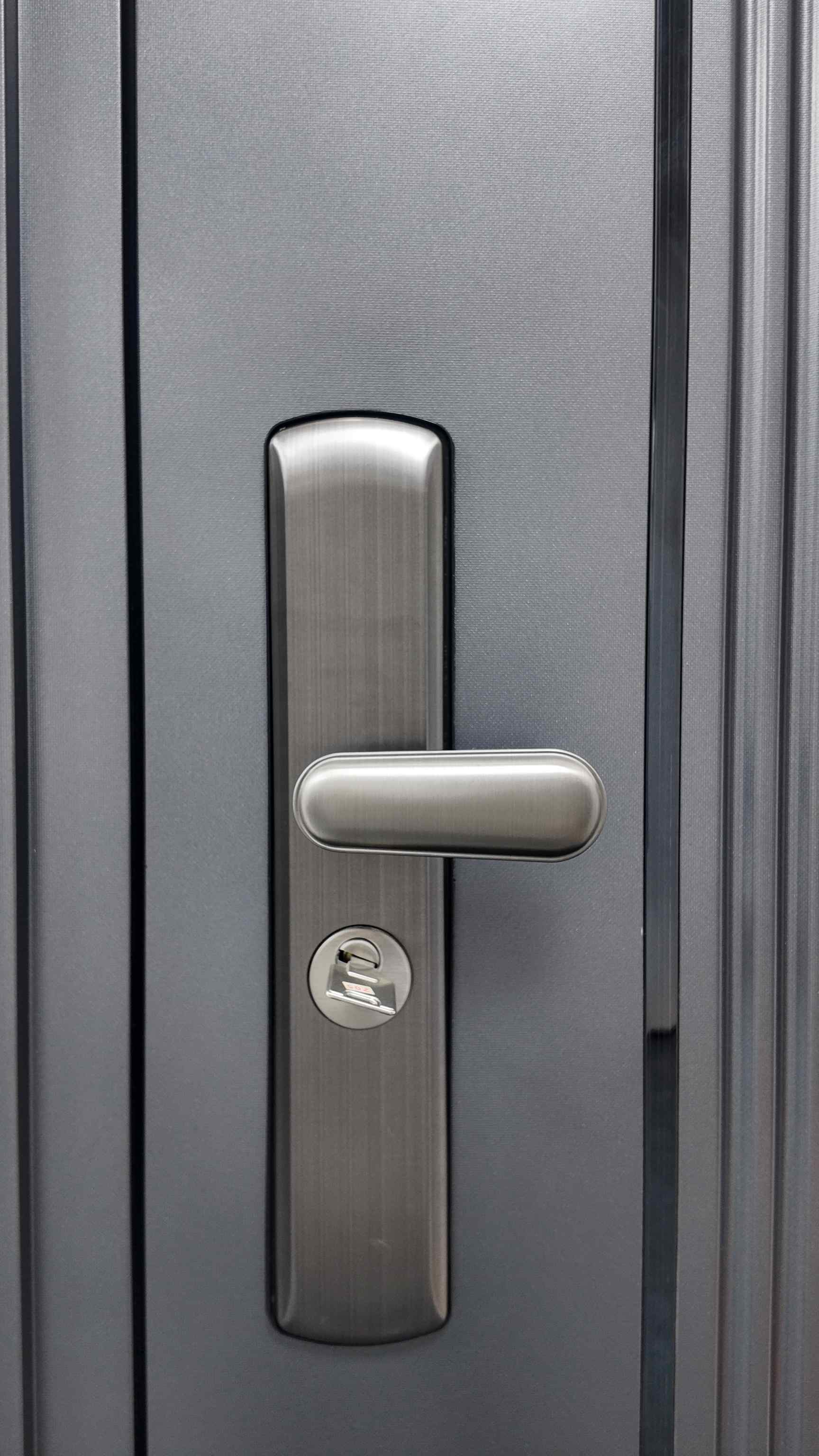
Table of Contents
What Is a Security Door?
A security door is a reinforced entrance door designed to control access and provide resistance against impact, prying, forced opening, and unauthorized entry. It can be used as the primary entrance door for residential and commercial buildings.
A complete security door normally includes:
A reinforced door leaf
A stable door frame
Strong hinges
A compatible locking system
Reinforced fixing points
Surface protection
Optional glass or decorative panels
Steel, stainless steel, and aluminum are commonly used for security doors. However, material selection alone does not determine the final performance. Door thickness, internal reinforcement, frame structure, hinge design, lock position, installation method, and wall connection must all be considered together.
Our security door products cover Steel Entrance Doors, Stainless Steel Front Doors, residential security doors, and customized designs for different architectural requirements.
What Is a Security Screen?
A security screen is normally made from metal mesh, grille, or ventilated panels. It allows air and light to pass through while creating an additional physical barrier at the entrance.
Security screens are often used for:
Rear doors
Balconies
Covered porches
Garden-facing entrances
Apartment corridors
Warm-climate homes
Secondary access points
Commercial ventilation areas
A screen may improve airflow and visibility, but it usually does not provide the same degree of privacy, weather separation, or solid protection as a reinforced security door. The performance of a screen depends on the mesh strength, frame structure, locking system, hinge protection, and installation quality.
Main Functional Differences
The most important difference is the role each product plays in the building.
A security door is normally used when the entrance must remain closed and provide stronger separation from the outside. A security screen is more suitable when the users want to keep the entrance ventilated while maintaining a degree of protection.
Security Level
A solid security door usually offers stronger resistance to impact and forced entry. It can include reinforced structures, multiple locking points, stronger door frames, and heavier hardware.
A screen can act as a secondary barrier, but its open mesh or grille structure may provide less protection against severe impact or weather exposure.
Ventilation
A security screen allows air to pass through the entrance. This can be useful in warm regions or during mild weather.
A solid security door provides more complete closure and is generally better for reducing drafts, dust, rain, and outside noise.
Privacy
A solid door provides greater privacy because it blocks direct visibility into the property. A screen may allow people outside to see through the entrance depending on its mesh pattern, lighting, and installation position.
Appearance
Security doors can be designed as modern front doors, luxury entrance doors, steel exterior doors, or decorative residential doors. Security screens usually have a lighter and more functional appearance.
Which One Should You Choose?
A security door is usually suitable when the project requires:
A primary entrance barrier
Stronger anti-pry performance
Greater privacy
Protection from rain and dust
A premium front-door appearance
Higher structural stability
Frequent residential or commercial use
A security screen may be suitable when the project requires:
Natural airflow
Increased daylight
Exterior visibility
A secondary entrance layer
A lighter structure
Ventilation in warm weather
Lower installation weight
Some properties use both products. A solid security door can serve as the main entrance, while a screen door provides ventilation when the climate and security conditions allow.
Which Is Better for Different Buildings?
Residential main entrances usually need a full security door because they require privacy, weather protection, and controlled access. A back door or balcony entrance may use a screen if airflow is an important consideration.
For apartment buildings, hotels, offices, and commercial properties, the decision depends on the entrance’s function. A main lobby entrance may require a stronger steel or stainless steel door, while a service corridor or ventilated rear access may use a screen-based solution.
Contractors should also consider whether the entrance is exposed to:
Heavy rain
Strong wind
Coastal humidity
Dust
High foot traffic
Repeated opening and closing
Public access
Potential impact
What Should B2B Buyers Check?
A Wholesale Supplier of security doors and screens should provide detailed information about:
Door or screen material
Door leaf construction
Frame dimensions
Locking points
Hinge structure
Surface treatment
Glass, mesh, or panel options
Available sizes
Packing method
Installation requirements
For commercial projects, buyers should also confirm opening direction, wall thickness, hardware compatibility, fire regulations, local building codes, and maintenance requirements.
We provide finished and semi-finished production services for distributors, contractors, developers, and brand owners. Through laser and CNC automation, ERP-based production management, and coordinated quality inspection, we support consistent Commercial Grade security door supply for international projects.
How Does Customization Work?
An OEM ODM Manufacturer of entrance doors can adjust the product according to project requirements. Customization may cover:
Door width and height
Frame depth
Door leaf structure
Steel or aluminum material
Surface color
Decorative patterns
Glass panels
Lock and handle design
Hinge position
Carton packaging
Our factory has more than 47 years of door manufacturing experience, a 170,000-square-meter standard workshop, more than 300 employees, and production capacity exceeding 50,000 units. These resources help support both standard products and customized project orders.
Conclusion
Security doors provide stronger physical protection, privacy, and weather separation. Security screens focus more on ventilation, visibility, and secondary protection. The right option depends on the entrance’s function, climate, security requirement, and architectural design.
For a large project, using both products may provide greater flexibility. Buyers can send opening dimensions, application details, preferred materials, and target quantities through our quotation service for further product discussion.