



Security Doors vs. Security Screens : Which Is Right?
Security Doors and security screens solve different entrance problems. A security door is generally selected for stronger protection, privacy, weather resistance, and a more complete enclosure. A security screen is usually selected when ventilation, visibility, and a lighter secondary barrier are more important.
The correct choice should be based on the building’s actual use rather than the product name alone.
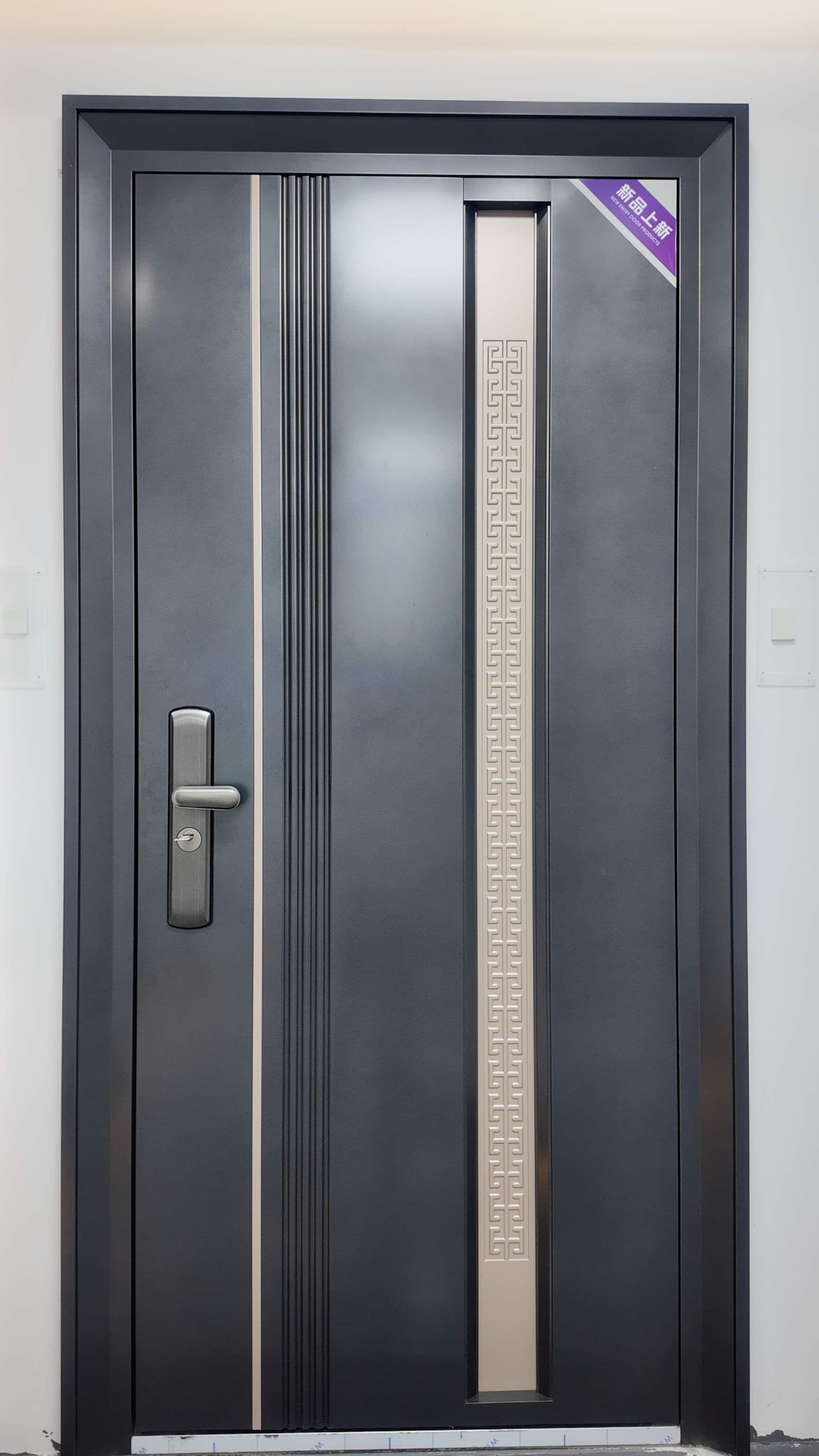
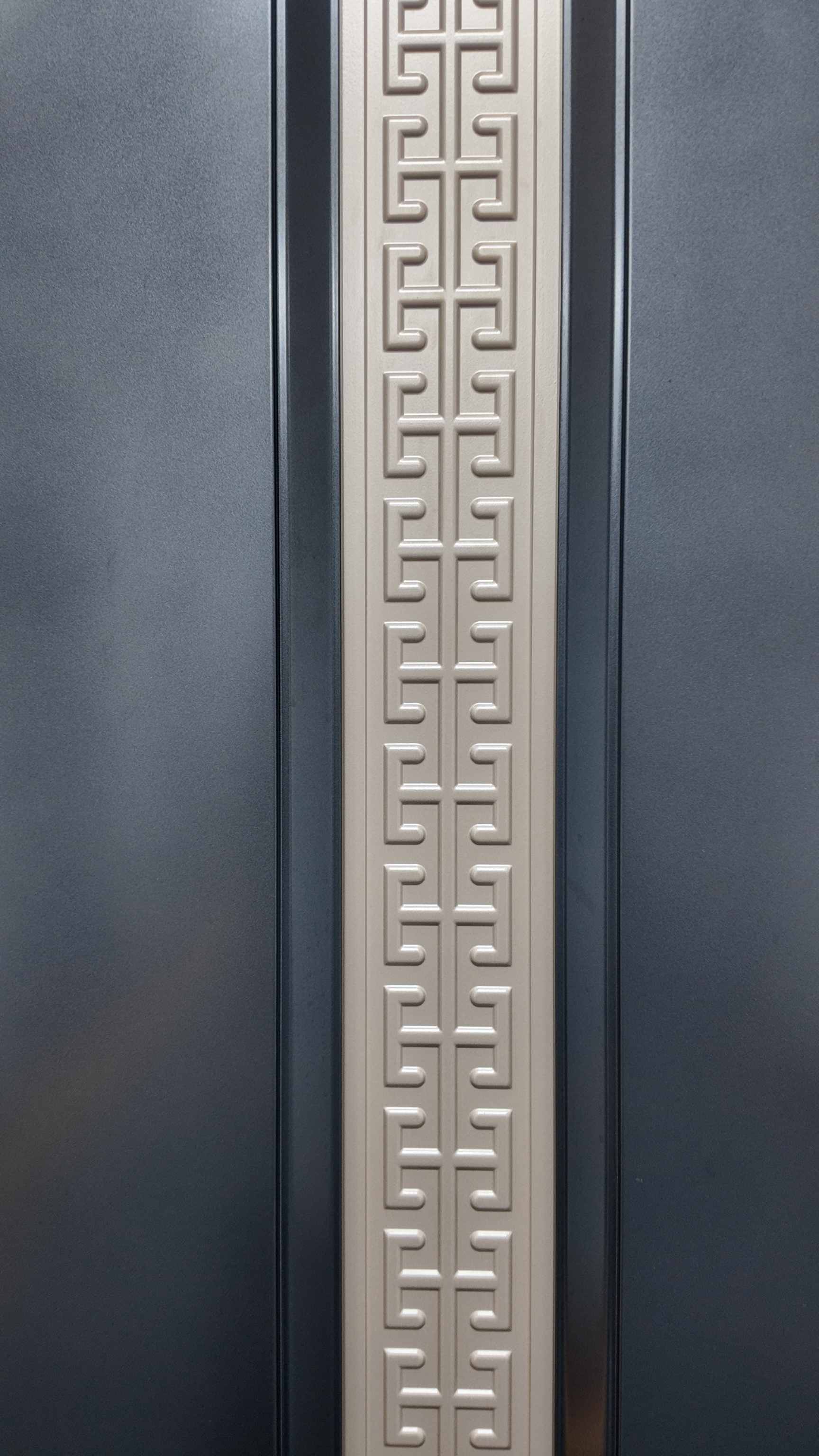
Table of Contents
Begin With the Entrance Function
The first question is whether the product will be used as the main entrance or as a secondary layer.
A main entrance normally needs to:
Control access
Protect the interior
Reduce exposure to weather
Provide privacy
Support daily opening and closing
Match the building’s appearance
These requirements often make a solid security door more suitable.
A secondary entrance may need to provide airflow while still creating a barrier. A security screen may be more practical for a covered porch, rear access, balcony, or garden-facing door.
Situations That Favor Security Doors
Security doors are designed for more complete protection. They can be manufactured from steel, stainless steel, or aluminum, depending on the required performance and visual style.
A security door may be preferred for:
Residential main entrances
Villas
Apartment buildings
Hotel entrances
Office buildings
Retail properties
High-value homes
Commercial service entrances
Steel doors are commonly selected for rigidity and heavy-duty use. Stainless steel doors can be suitable for modern entrances and humid environments. Aluminum doors are often used when lower weight, corrosion resistance, and contemporary design are priorities.
Our stainless steel front doors include residential, anti-theft, high-security, and customizable designs for different entrance requirements.
Situations That Favor Security Screens
A security screen is often more useful when the entrance needs airflow and visibility.
Typical applications include:
Warm-climate residential buildings
Covered patios
Back entrances
Balconies
Garden doors
Apartment corridors
Service access points
Commercial areas that require ventilation
Screens can allow natural air circulation without leaving an entrance completely open. They may also provide an additional layer behind a primary door.
However, a screen should be selected according to its actual structure. Mesh thickness, frame strength, lock design, hinge protection, and fixing method all influence its security performance.
A Practical Comparison
| Requirement | Security Door | Security Screen |
|---|---|---|
| Main entrance use | Highly suitable | Application-dependent |
| Privacy | Stronger | Limited |
| Ventilation | Limited when closed | Excellent |
| Weather separation | Stronger | Moderate |
| Impact resistance | Generally higher | Depends on mesh and frame |
| Visibility | Low | High |
| Weight | Usually heavier | Usually lighter |
| Secondary entrance use | Suitable | Highly suitable |
| Premium entrance design | Strong | Moderate |
| Warm-climate airflow | Limited | Strong |
This comparison is a starting point. The actual result still depends on the door design, hardware, frame, and installation conditions.
Questions Buyers Should Ask
Is This the Primary Entrance?
If the door is the main point of entry, a security door is usually the safer starting choice. It provides a more complete barrier and can support stronger privacy and weather protection.
Is Airflow Essential?
If the users want to keep the entrance ventilated, a security screen may be considered. This is particularly relevant in areas with warm weather and low outdoor pollution.
Does the Building Need Privacy?
A solid door is more suitable when the occupants want to prevent direct visibility into the building. A screen may not offer sufficient privacy during the day or at night.
Will the Entrance Face Severe Weather?
A solid security door is generally better for entrances exposed to wind-driven rain, dust, storms, or strong temperature changes.
Will the Product Be Used Frequently?
For high-frequency entrances, buyers should focus on hinges, locks, frame stability, door weight, surface treatment, and hardware replacement. These details affect long-term operating performance.
How Should Contractors Plan a Project?
A project may require different entrance products for different areas. For example, a residential development may use aluminum front doors for apartments, steel security doors for service rooms, and stainless steel doors for selected exterior locations.
A project schedule should identify:
Entrance location
Door or screen type
Opening dimensions
Material
Surface finish
Locking system
Opening direction
Quantity
Delivery batch
Installation method
This approach helps avoid using one product type throughout a building when different entrances have different requirements.
Factory Support for Bulk Orders
A Bulk Supply of security doors requires consistent dimensions, finishes, hardware, packaging, and delivery planning. A sample may look suitable, but the production process must be able to repeat the same specification across hundreds or thousands of units.
As an OEM ODM Manufacturer of security doors, we support:
Customized door dimensions
Steel, stainless steel, and aluminum options
Surface finish development
Decorative panel customization
Hardware selection
Private-label packaging
Finished and semi-finished production
Project-based loading and delivery
Our factory has more than 47 years of manufacturing experience, a 170,000-square-meter workshop, and production capacity exceeding 50,000 units. We also use laser and CNC automation together with ERP production management to improve production coordination.
How Do Security Doors and Screens Work Together?
In some projects, a solid door and a security screen can be used as two layers. The security door provides privacy and weather separation, while the screen allows airflow when the weather is suitable.
This combination may be useful for:
Residential porches
Villas
Hotel rooms with exterior access
Apartment balconies
Garden entrances
Low-rise commercial buildings
The two products should be planned together so that the opening dimensions, handles, hinges, thresholds, and swing directions do not interfere with each other.
Conclusion
Security doors are generally better for main entrances, privacy, stronger protection, and weather resistance. Security screens are more suitable for ventilation, visibility, and secondary access points.
For distributors and project contractors, the correct choice should follow the building function, climate, expected traffic, installation conditions, and security requirements. Our custom entrance door service supports product selection, technical communication, sampling, and bulk project supply.