


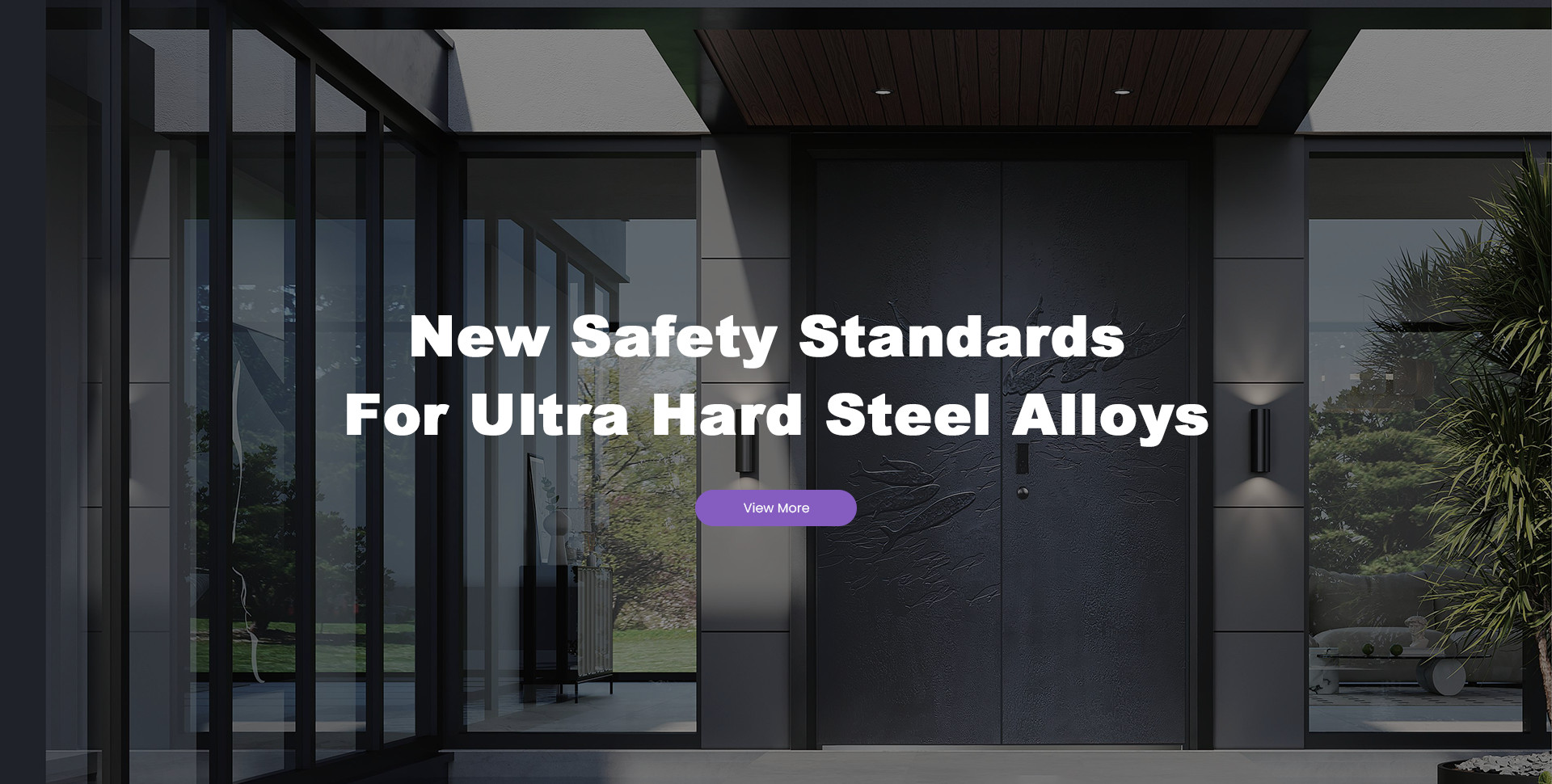

What Are The Key Differences Between A Storm Door And A Security Door?
A storm door is mainly designed to add weather protection and ventilation in front of an exterior door, while a security door is built around stronger structural protection, locking, and resistance to forced entry.
Table of Contents
- What Is a Storm Door?
- What Is a Security Door?
- How Are Storm Doors and Security Doors Different?
- Is a Storm Door the Same as a Security Door?
- Can a Security Door Replace a Storm Door?
- Which Door Is Better for a Main Entrance?
- Does a Security Door Also Provide Weather Protection?
- Which Material Is Better for a Security Door?
- What Should Buyers Check Before Choosing?
- What Does a Manufacturer Look at During Production?
- Which One Should a Buyer Choose?
- Request a Door Recommendation for Your Project
What Is a Storm Door?
A storm door is normally installed as a secondary exterior door in front of a primary entrance door.
Its main purposes are to:
Reduce direct exposure to rain and wind
Allow ventilation when the main door is open
Add another barrier against insects and dust
Provide additional daylight through glass or screen panels
Reduce some weather exposure to the main entrance
Storm doors are often relatively lightweight and may use glass, screens, aluminum frames, or other lighter constructions.
The emphasis is generally on weather separation and ventilation, rather than creating the primary physical security barrier.
What Is a Security Door?
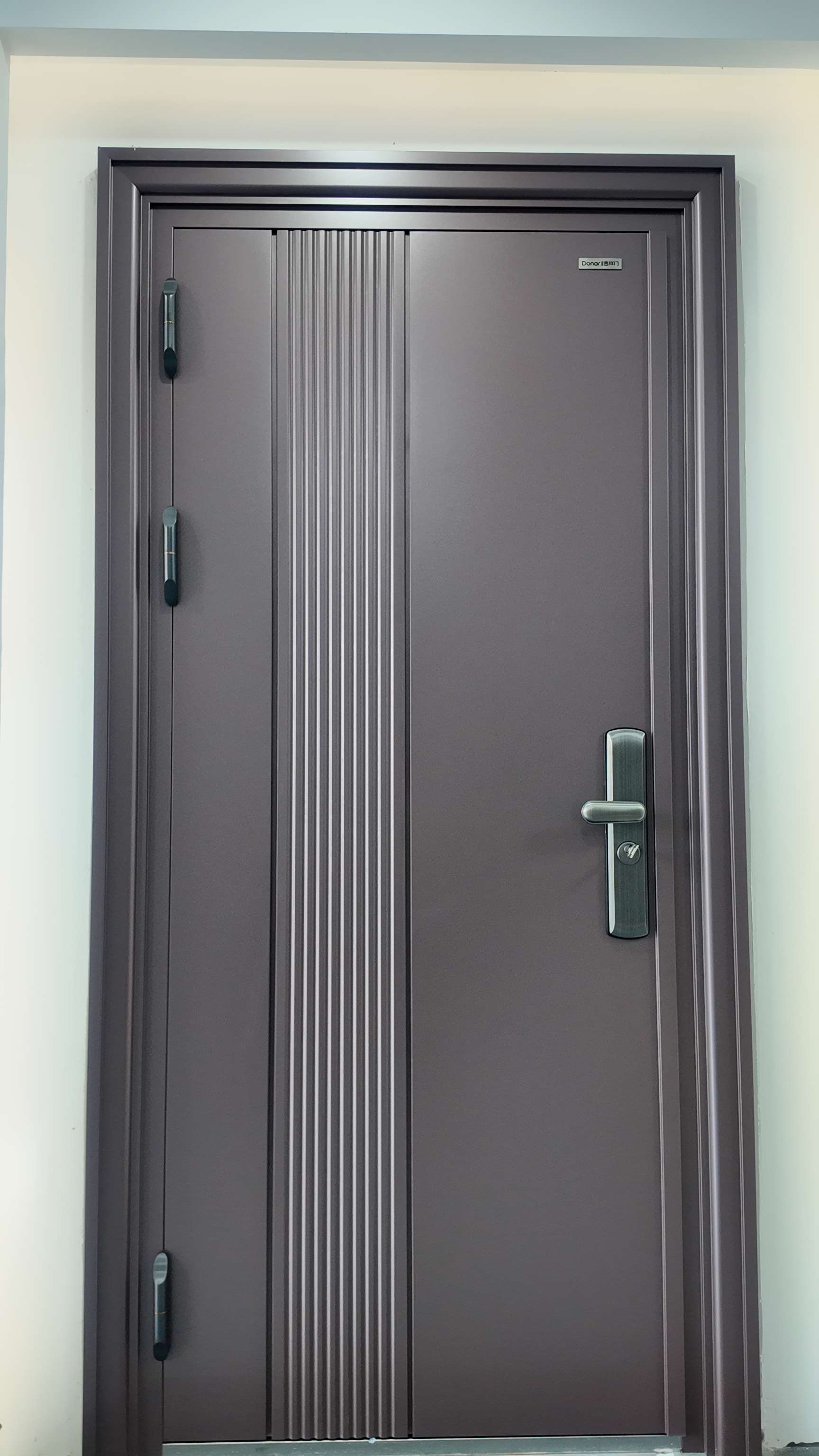
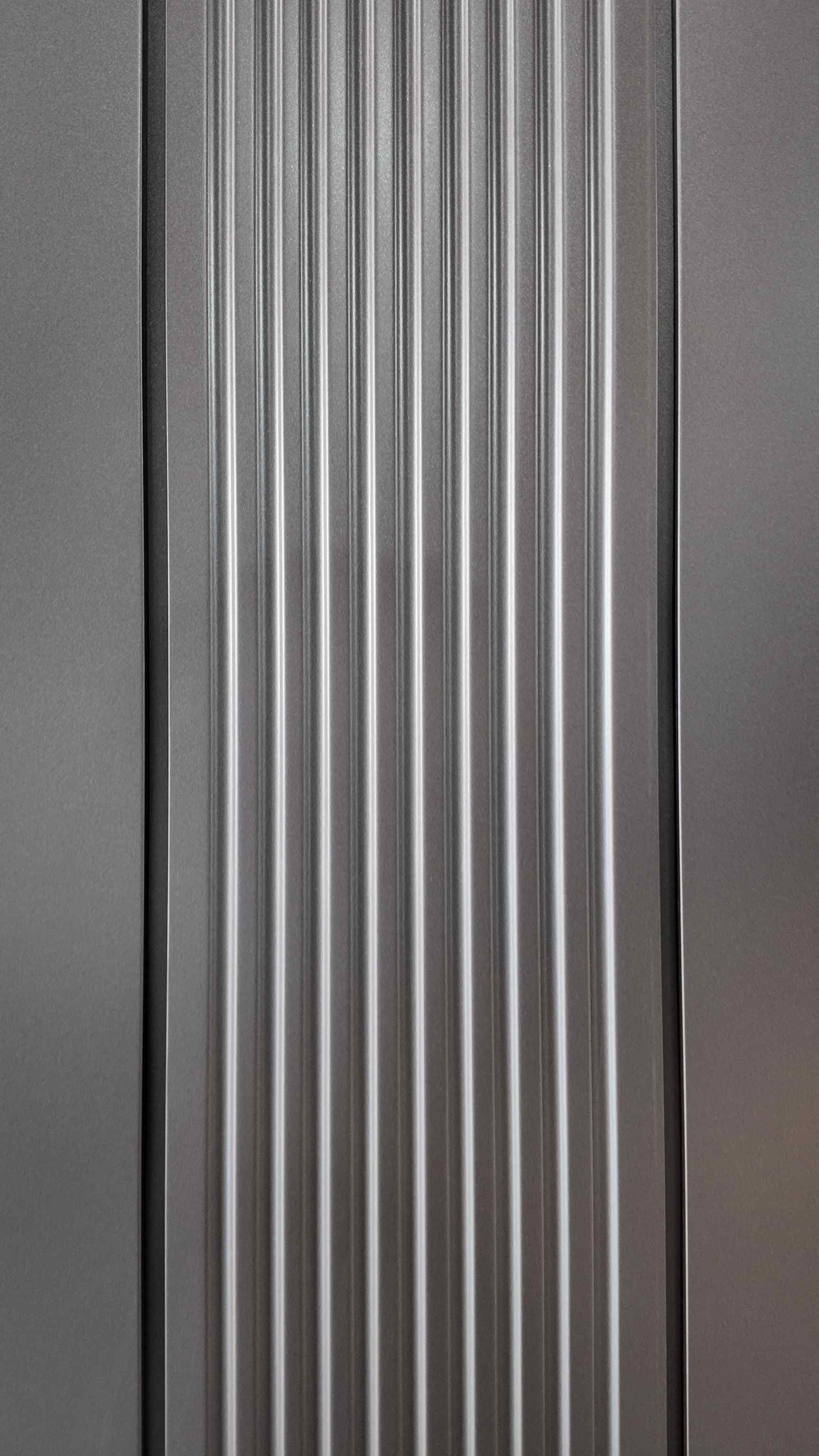
A security door is designed as a stronger entrance system where physical protection is an important requirement.
A proper security door is not simply a thick-looking metal panel. Its performance depends on the relationship between:
Door leaf
Door frame
Lock body
Locking points
Hinges
Anti-pry structure
Anchoring
Sealing
Installation
This is why a security door should be evaluated as a complete system rather than by door thickness alone.
How Are Storm Doors and Security Doors Different?
| Factor | Storm Door | Security Door |
|---|---|---|
| Primary Purpose | Weather protection | Entrance protection |
| Typical Position | Secondary outer layer | Main or primary entrance |
| Construction | Lightweight | Reinforced |
| Ventilation | Often a major feature | Usually secondary |
| Locking | Basic or moderate | Reinforced/multi-point options |
| Forced-Entry Resistance | Limited | Higher design priority |
| Weather Protection | Strong focus | Depends on complete system |
| Typical Use | Residential exterior | Homes, villas, apartments, projects |
The correct choice depends on what the entrance is expected to do.
Is a Storm Door the Same as a Security Door?
No.
A storm door can add a second layer in front of an existing entrance, but that does not automatically turn the entrance into a high-security system.
For example, a lightweight storm door may have glass or screen panels and a simple latch. It can improve ventilation and weather separation, but the main security performance still comes from the primary door behind it.
A security door is designed differently from the beginning. Its leaf, frame, locking structure and hinge arrangement are developed around stronger physical protection.
Can a Security Door Replace a Storm Door?
Sometimes, but the two products solve different problems.
If the main concern is:
Forced-entry resistance
Stronger locking
Privacy
Structural durability
a security door may be the more appropriate primary entrance solution.
If the main concern is:
Ventilation
Insect protection
Keeping the main door open temporarily
Creating a light secondary barrier
a storm door may be more useful.
In some buildings, both can be used, provided the opening dimensions, handles, swing directions, threshold and clearance are coordinated.
Which Door Is Better for a Main Entrance?
For a primary entrance where security is a major requirement, a purpose-built security door is generally more appropriate.
For example, our Steel Security Front Door uses an interlocking anti-pry steel structure, a 95 mm door leaf, a stainless steel 9-pillar lock body and polyurethane filling. The product also supports customized colors, decorative panels and frame structures.
These details matter because the security performance is distributed across the complete entrance structure rather than relying on a single lock.
Does a Security Door Also Provide Weather Protection?
It can, but weather performance should be evaluated separately from security.
An exterior security door may need to deal with:
Rain
Wind
Humidity
Dust
Temperature changes
Sunlight
The frame, sealing strips, threshold, panel structure and surface finish all contribute to the result.
A door can be very strong but still perform poorly outdoors if the sealing and surface treatment are not appropriate.
Which Material Is Better for a Security Door?
There is no universal material that is best for every project.
Steel can provide a strong and rigid structure. Stainless steel adds corrosion resistance and can be suitable for demanding exterior environments. Aluminum can offer lower weight, corrosion resistance and a modern architectural appearance.
The decision should consider:
Security + Climate + Weight + Design + Maintenance + Budget
For residential projects exposed to humidity or coastal conditions, a stainless steel configuration may deserve closer consideration.
Our High Security Stainless Steel Doors for Homes use 304 stainless steel and support customized finishes, door-frame structures and locking options.
What Should Buyers Check Before Choosing?
A practical comparison should include more than the product name.
Check:
Door leaf construction
Frame structure
Locking points
Hinge design
Wall anchoring
Weather sealing
Surface treatment
Opening direction
Installation conditions
Applicable local standards
This is particularly important for distributors and contractors because the final entrance performance depends on the installation as well as the door itself.
What Does a Manufacturer Look at During Production?
From a manufacturing standpoint, the weak point of an entrance is rarely solved by simply making one component heavier.
The door leaf, frame, lock body and hinge system have to match.
A heavy door with an underspecified frame can still create problems. Likewise, a strong lock cannot compensate for poor door alignment or weak frame anchoring.
That is why production specifications should be confirmed before manufacturing rather than trying to solve structural issues after the door has reached the construction site.
Which One Should a Buyer Choose?
Choose a storm door when the priority is secondary weather protection, ventilation or insect control.
Choose a security door when the entrance needs stronger structural protection, reinforced locking and greater resistance to forced entry.
For larger projects, the decision should also consider climate, building type, opening size, local regulations and installation conditions.
Request a Door Recommendation for Your Project
For residential developments, villas, apartment projects, distributors and entrance-door replacement programs, provide the opening dimensions, wall thickness, preferred material, opening direction, security requirements, finish and estimated quantity.
Our team can review the complete entrance configuration rather than quoting only the door leaf.
For custom sizes, OEM/ODM production or bulk project supply, submit the requirements through the Request A Quote page.