


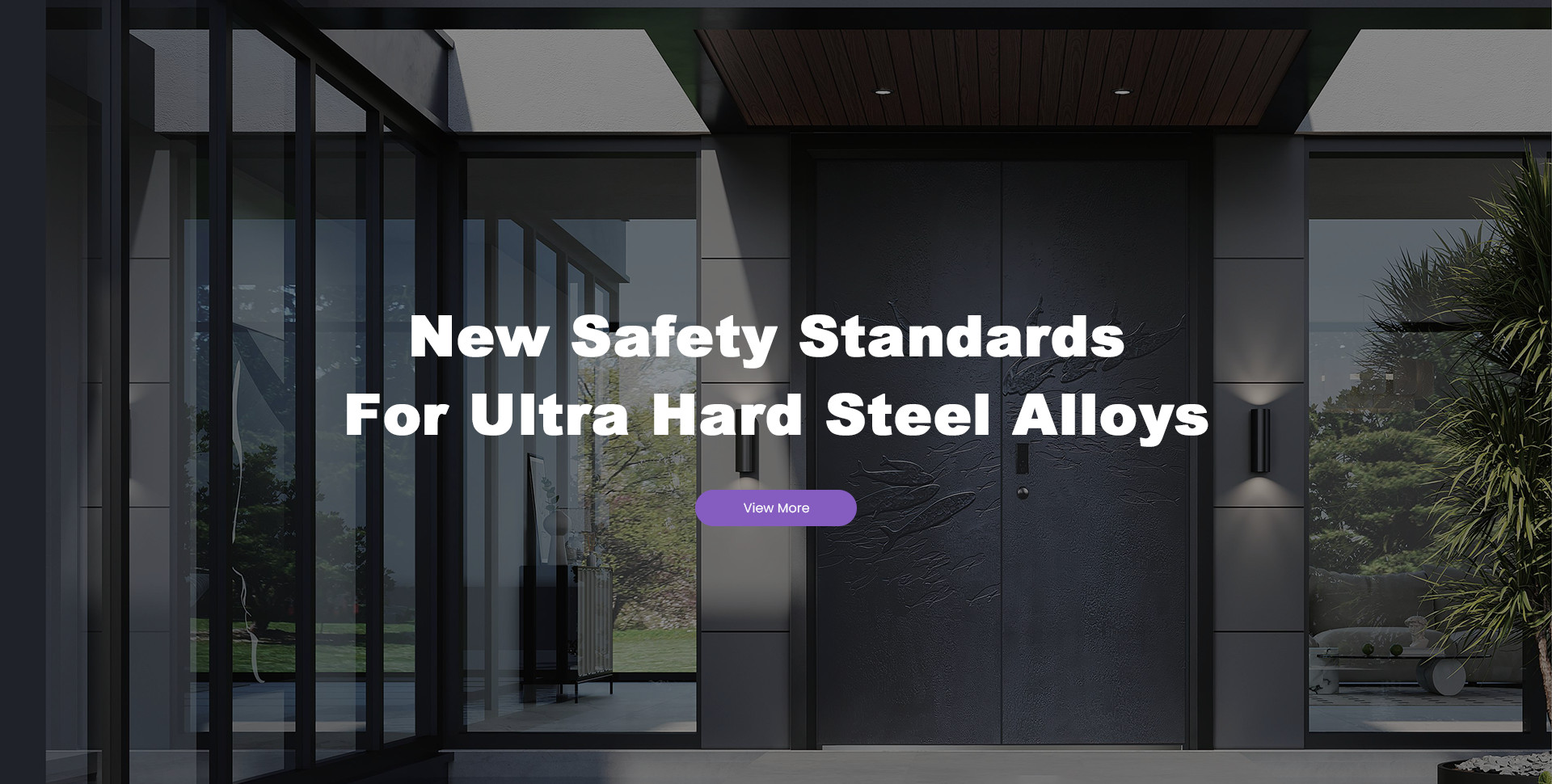

How To Pick A Front Door Color
A good front door color should do more than look attractive on its own. It should work with the walls, trim, metal details, glass, and the overall architectural style. It should also match the door material and finish. On a modern aluminum front door, color becomes even more important because the surface is clean, structured, and highly visible. A poor color choice can make the entrance feel disconnected. A well-chosen one can make the whole facade look more complete.
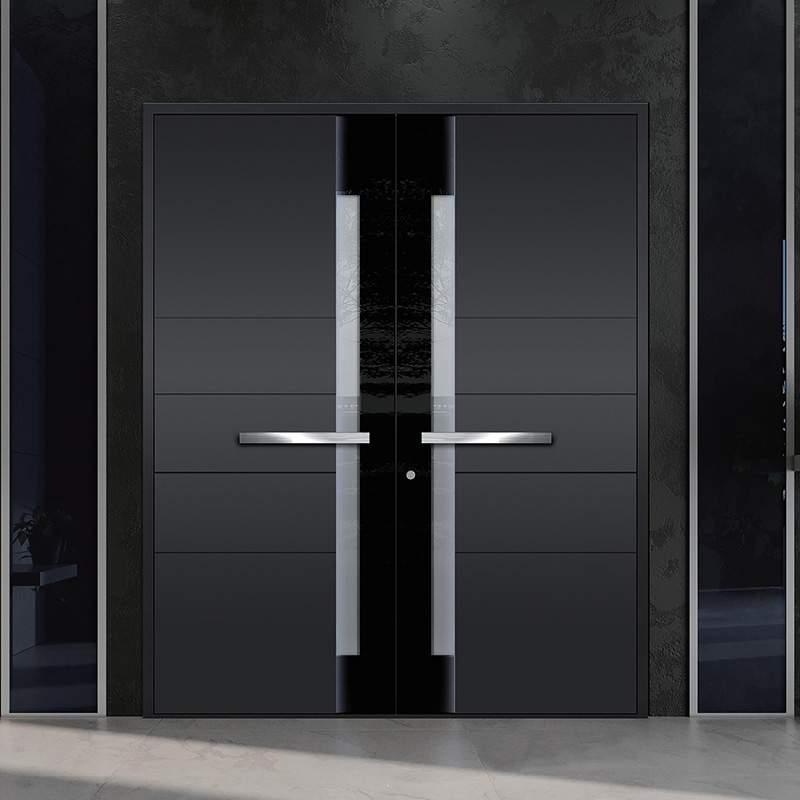
Table of Contents
- Start With The Style Of The House
- Think About The Exterior Materials Around The Door
- Decide Whether You Want Contrast Or Harmony
- Consider How Light Affects The Color
- Match The Color To The Door Design Itself
- Do Not Ignore Hardware And Frame Coordination
- Think About Long-Term Appearance, Not Only First Impression
- Choose A Color That Supports Real Use
- Conclusion
Start With The Style Of The House
The easiest way to choose a front door color is to begin with the architecture instead of the color chart. A front door should feel like part of the building, not an isolated feature added later. If the house has a modern exterior, clean metallic tones, deeper gray shades, black details, or low-contrast color combinations usually feel more natural. If the home is warmer or more traditional, the door color may need more softness or a richer tone to stay balanced.
This is why front door color should always be read in context. A color that looks strong and elegant on a sample board may feel too cold, too dark, or too bright once it is placed against stone, concrete, wood-look panels, or light exterior walls. The same color can feel completely different depending on what surrounds it.
For a modern aluminum entrance door, this relationship becomes especially clear. Clean-lined door systems usually work best when the color supports the architectural order instead of competing with it. The goal is not simply to choose a fashionable shade. The goal is to choose a color that makes the entrance look intentional.
Think About The Exterior Materials Around The Door
A front door is never viewed alone. It is always seen together with the wall finish, flooring near the entrance, the frame, the handle, and sometimes nearby windows or cladding. That is why material coordination matters as much as the color itself.
If the facade includes gray stone, cement texture, black metal accents, or a minimalist finish, cooler tones often look stronger and more natural. If there are warmer elements such as beige walls, bronze hardware, or wood-like textures, the color choice may need more warmth. The door should not disappear completely, but it should also not look unrelated to the rest of the building.
This is one reason metallic gray and brushed dark finishes remain popular in modern entrance design. They are easier to coordinate with glass, aluminum frames, stainless steel details, and neutral exterior palettes. On the product side, this modern aluminum front door supports Selby Grey, brushed black titanium, and other custom surface options, which makes it easier to adapt the entrance color to different facade styles rather than forcing one fixed appearance. That flexibility is useful in both residential and project-based applications.
Decide Whether You Want Contrast Or Harmony
One of the most important design questions is whether the front door should stand out or blend in. Both directions can work well, but they create very different results.
A contrasting front door becomes a visual feature. It draws attention and gives the entrance more character. This works best when the rest of the exterior is calm enough to support that emphasis. In contrast, a more harmonious door color creates a quieter and more integrated look. It feels refined, architectural, and often more timeless.
For many modern homes, harmony tends to work better than extreme contrast. A front door does not need to be loud to feel expensive or well designed. In fact, many high-end entrances look stronger when the color is controlled and the quality of the material, structure, and detailing does more of the visual work.
This is where aluminum front doors have an advantage. Because the form is usually clean and precise, the color can stay disciplined and still look impressive. A well-finished gray or dark brushed tone often gives the entrance a stronger design presence than an overly bright statement color.
Consider How Light Affects The Color
Front door color should also be judged by daylight, not only by indoor samples or digital images. Exterior light changes color constantly. Morning light, direct afternoon sun, cloudy weather, and evening shadow can all alter how the same finish appears. Some colors look crisp in strong light but flat in shadow. Others look richer and more stable across different conditions.
This matters even more on metallic or textured finishes. A brushed surface may show more depth when light moves across it, while a flatter coating may appear more uniform from different angles. If the entrance is deeply recessed, darker tones may feel heavier. If the door sits in strong sunlight, reflective or metallic character may become more visible.
That is why front door color should be chosen with the actual installation environment in mind. The right color is not only the one that looks good in theory. It is the one that still looks balanced on the real facade throughout the day.
Match The Color To The Door Design Itself
The shape and detailing of the door should influence the color decision. A simple flush-style front door can usually carry a stronger or darker finish because the surface is clean and uninterrupted. A door with more decorative carving, layered panels, or visible detailing may need a color that helps those features read clearly without making the design feel crowded.
In this product direction, the door uses modern aluminum construction with 4 mm or 6 mm precision-carved aluminum panels, a 90 mm door leaf, concealed stainless steel hinges, and a hidden structural approach that reduces exposed components. Those design features naturally support a more modern and controlled color palette because the door already has enough structure and presence. It does not need an overly dramatic color to feel substantial.
When the design is this precise, the color should help express the product rather than distract from it. Neutral metallic tones, textured dark finishes, and coordinated custom shades usually perform well because they highlight proportion, depth, and material quality.
Do Not Ignore Hardware And Frame Coordination
Many people choose a front door color without considering the handle, the lock area, or the frame. That often leads to an entrance that feels slightly unresolved. A door may have a good panel color, but if the handle finish, frame tone, and hardware styling do not align, the overall effect becomes weaker.
The hardware should feel like part of the same design language. On modern doors, longer handles, concealed hinges, and cleaner lock integrations often work best with disciplined color choices. A brushed dark finish can look sharper when paired with black-toned or stainless details. A gray metallic door may feel more complete when the frame and handle maintain the same modern direction.
This matters because buyers do not actually experience a front door as color alone. They experience the whole system at once. On this aluminum front door series, colors, decorative panels, door frame structures, hardware options, and lock configurations can all be customized, which makes coordinated design easier at the project stage. That kind of product flexibility helps the final entrance look more complete rather than assembled from disconnected choices.
Think About Long-Term Appearance, Not Only First Impression
A front door color should still look right after seasons of use, not only on the day it is installed. Some trend-driven colors attract attention quickly but lose appeal once the surrounding style changes. More controlled tones often last longer because they are easier to coordinate with future updates in lighting, landscaping, wall repainting, or hardware changes.
This does not mean the safest choice is always the best one. It means the best color usually has enough design confidence to stay relevant over time. On a main entrance, durability in appearance matters almost as much as durability in structure.
That is one reason modern gray, brushed dark metallic, and custom neutral tones continue to perform well. They support a long-term architectural look and work across different building types. For aluminum front doors with stronger structure and more complete sealing systems, a refined color choice also reinforces the perception of quality and stability.
Choose A Color That Supports Real Use
Front door color also has a practical side. A very glossy or overly sensitive finish may show dust, fingerprints, or water marks more easily depending on the environment. In exposed entrances, this becomes part of the daily experience. The ideal color is not only visually suitable. It should also feel realistic for the setting.
On a system-level aluminum entrance door, that practical thinking should extend beyond color alone. Surface finish, sealing, structure, and hardware all affect how the door performs and how the entrance is perceived in daily use. This product line combines high-strength aluminum profiles, a multi-seal system, concealed structural design, and optional smart lock configurations, so the color choice should match that same balance of design and practicality.
When people choose a front door, they are not simply choosing paint. They are choosing how the entrance will look, function, and age as part of the building.
Conclusion
Picking a front door color is really about balance. The right choice should fit the style of the house, coordinate with surrounding materials, work well with daylight, and support the design of the door itself. A strong entrance does not come from color alone. It comes from the way color, structure, finish, and hardware all work together.
For modern aluminum front doors, a controlled palette often delivers the best result. Tones such as gray, brushed dark finishes, or well-matched custom colors can make the entrance feel clean, architectural, and long-lasting without looking forced.
If you are comparing front door styles and need help selecting the right color, finish, or configuration for your project, feel free to contact us. We can provide practical guidance on matching door design with facade style and help you choose an entrance solution that looks right and performs well in real use.
Previous: How To Paint A Front Door