




How To Paint A Front Door
Painting a front door sounds simple, but the final result depends much more on preparation than on the paint itself. A front door is one of the most visible parts of the exterior, so uneven color, poor adhesion, or rough brush marks are easy to notice. If the surface is not cleaned well, sanded properly, and matched with the right coating system, the door may look fresh for a short time but begin to chip, fade, or lose consistency much sooner than expected.
This is especially important for steel front doors. Steel offers strength, stability, and a clean modern appearance, but the coating process needs to respect the material. A good paint finish should not only improve color. It should also support weather resistance, surface durability, and the overall look of the entrance. That is why painting a steel front door should be approached as a finishing process, not just a color change.
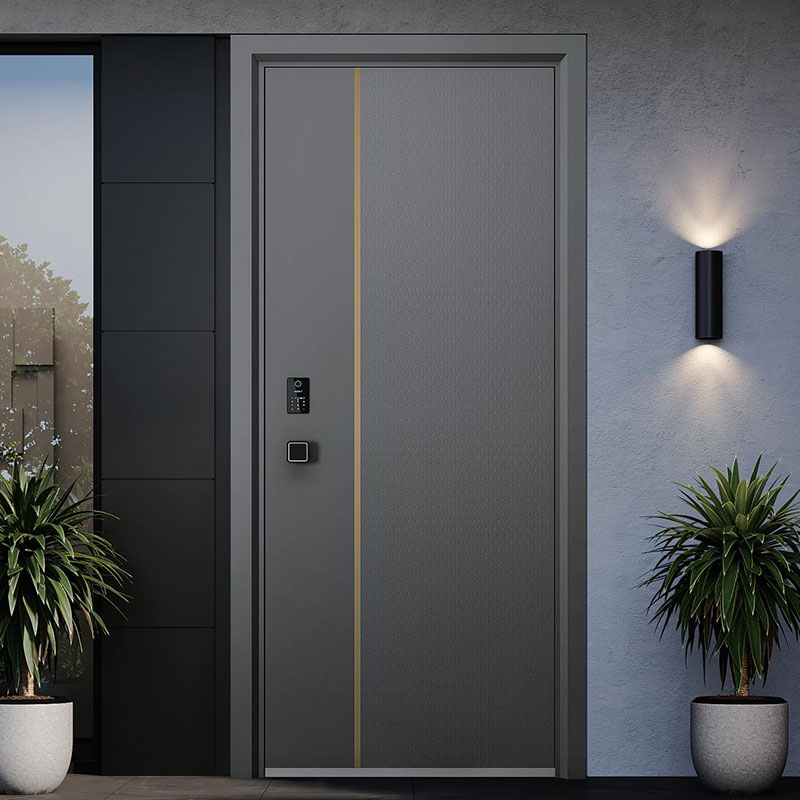
Table of Contents
Understand The Door Surface Before Painting
Before any paint is opened, the first step is to understand what kind of surface is already on the door. Some front doors have a smooth factory finish, some have textured decorative panels, and some may already have signs of wear from sunlight, rain, hand contact, or previous repainting. The condition of the surface determines how much preparation is needed.
On a Steel Entrance Door, the existing surface should be checked for dust buildup, grease around the handle area, slight scratches, loose coating, and any edge wear. If these problems are painted over directly, they usually remain visible through the new finish or weaken adhesion later. A painted front door only looks professional when the layer underneath is stable and clean.
This matters even more on a product with stronger entrance-door construction. In this category, steel front doors for homes are often chosen for their solid structure, thicker door leaf, tighter locking system, and more complete frame fit. On the product side, this model uses a steel structure, a 95 mm door leaf, interlocking anti-pry steel, aerospace-grade polyurethane filling, a stainless steel 9-pillar lock body, and customizable decorative panels and colors. Those details give the door a strong functional base, so the paint finish should match that same level of control and quality.
Clean The Door Thoroughly First
A front door should always be cleaned before sanding or painting. Exterior doors collect more than visible dust. They also pick up hand oils, traffic grime, air pollution residue, and sometimes wax or old cleaning product film. If those layers stay on the surface, the primer and paint may not bond evenly.
A mild cleaner and soft cloth usually work well for the first stage. The goal is to remove dirt without damaging the existing finish. Areas around the handle, lock, and edge lines deserve extra attention because they often hold the most residue. After cleaning, the surface should dry fully before the next step begins.
This stage is easy to rush, but it directly affects the final appearance. A clean door gives the new coating a stable surface to hold onto, which improves both finish smoothness and service life.
Sand For Adhesion, Not For Damage
After cleaning, light sanding helps the new paint grip the surface. This is not about aggressively removing the entire existing finish. In most cases, the goal is to dull the surface slightly and smooth out minor imperfections so the primer can bond evenly.
Steel front doors with decorative panel lines or shaped details should be sanded carefully so the design remains crisp. If too much pressure is used, edges may become uneven and the final painted surface may lose some of its clean architectural look. A properly sanded door should feel smoother and more uniform, not stripped or damaged.
Once sanding is finished, dust should be removed completely. Fine sanding particles left on the surface can interfere with the primer and create a rough texture in the final coat.
Use The Right Primer For Steel
Primer is one of the most important parts of painting a steel front door. It helps paint adhere better, improves surface consistency, and supports long-term resistance against moisture and outdoor exposure. Skipping primer may save time in the beginning, but it often leads to weaker results later.
For exterior steel doors, the primer should be suitable for metal and outdoor use. It should cover evenly without becoming too heavy, especially around panel joints, corners, and hardware cutouts. A good primer creates a more stable base so the topcoat develops better color depth and a cleaner finish.
This matters because a front door is exposed to repeated weather changes. Sun, rain, temperature shifts, and daily opening and closing all place stress on the coating. A proper primer helps the paint system hold together under those conditions.
Apply Paint Evenly And Patiently
Once the primer is fully dry, the topcoat can be applied. This stage should be controlled and patient. Thick paint layers often look faster at first, but they are more likely to run, dry unevenly, or leave a heavy texture. Thinner, even coats usually produce a better result.
A front door should be painted in a sequence that keeps the finish consistent. Flat areas, decorative sections, and edges should all be handled in a way that avoids visible overlap lines. The aim is not only to cover the old color, but to create a smooth and balanced surface across the entire door.
For modern residential entrances, color choice also matters. This steel front door series offers Twilight Gray or custom colors, which shows that the entrance can be matched to different architectural styles rather than limited to one standard appearance. A well-chosen color works best when the application is clean and even, because modern door designs depend heavily on finish quality.
Pay Attention To Hardware And Edge Details
A painted front door only looks complete when the details are handled well. Edges, hinge-side lines, lock cutouts, and the frame relationship all affect the final impression. If the center panel looks smooth but the edges are rough or overloaded with paint, the whole door can feel unfinished.
This is especially relevant for steel doors with more complete entrance systems. On this product, the door includes outside opening configuration, a 50 mm back frame width, 100 mm thread width, and 3D visible hinges with concealed installation. These details influence how the door is visually read, so the coating should preserve that structural clarity rather than bury it under thick paint buildup.
Good painting should make the door look sharper, not heavier.
Let The Finish Cure Properly
Drying and curing are not the same thing. A painted surface may feel dry to the touch relatively soon, but the coating still needs time to harden properly. During that period, the door should be used carefully to avoid pressure marks, sticking around the seals, or accidental damage near the handle and lock area.
This step is often overlooked, but it affects durability. If the door is returned to full use too quickly, the new finish may pick up marks before it reaches full strength. A good result depends not only on how the paint is applied, but also on how the finish is protected afterward.
Why Product Quality Still Matters
Painting can improve appearance, but it cannot replace the value of a well-built entrance door. A stronger steel door gives the coating a better foundation because the structure stays more stable, the panels remain more controlled, and the entrance system performs better over time. That is why buyers often pay attention not only to color, but also to door leaf thickness, filling material, anti-pry structure, locking system, and frame configuration.
In real projects, the best result comes when product quality and surface finish work together. A front door should look good, but it should also feel secure, close properly, and maintain its presence under daily use.
Conclusion
Painting a front door the right way starts with preparation. Clean the surface well, sand it lightly, use the correct primer, and build the color in even coats. When each step is handled carefully, a steel front door can achieve a cleaner appearance, better coating adhesion, and a more durable exterior finish.
For homeowners and project buyers, a good entrance door is never only about color. It is also about structure, hardware, and long-term performance. If you are comparing steel front door options and want guidance on finish selection, door configuration, or project suitability, feel free to contact us. We can help you evaluate a practical entrance solution and provide support for your door selection.
Previous: How Much Does A Front Door Cost