



How Much Does A Front Door Cost
The cost of a front door can vary more than many buyers expect. At first glance, two entrance doors may look similar in photos, yet their price can be very different once material, structure, hardware, finish, and customization are taken into account. That is why this question is not really answered by one number alone. A front door is not only a decorative part of the façade. It is also a security product, a weather barrier, and an important part of the overall architectural style.
For homeowners, builders, and project buyers, the more useful question is not simply how much a front door costs, but what creates the cost and which features are worth paying for. A lower-priced door may work for a basic project, while a modern luxury front door usually includes stronger structure, more refined finishes, better hardware, and more customization. These details raise the initial price, but they also change the long-term value of the product.
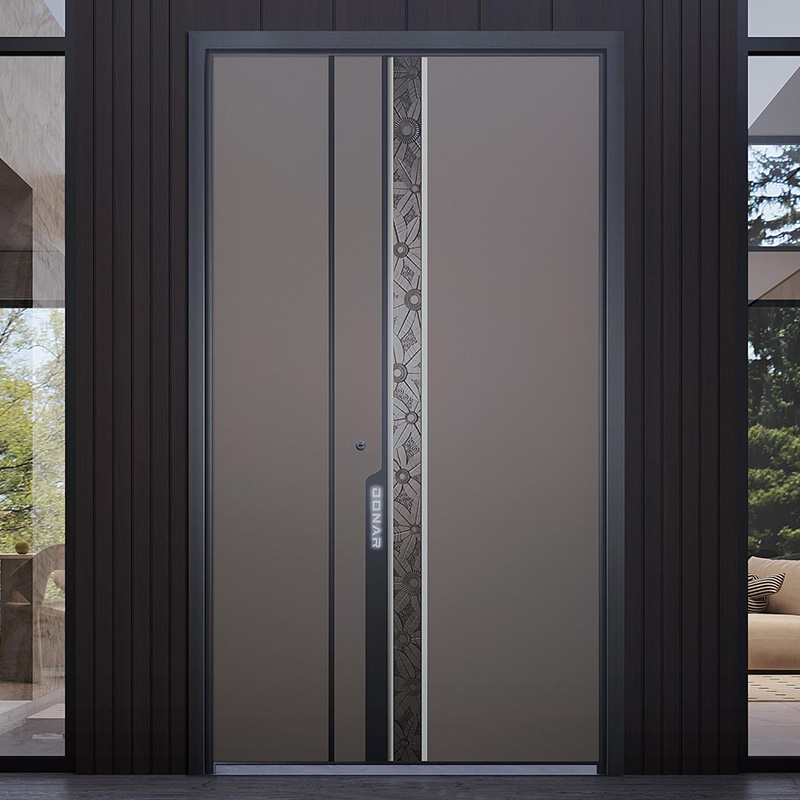
Table of Contents
- Why Front Door Prices Vary So Much
- Material Is One Of The Biggest Cost Factors
- Size And Configuration Affect The Budget
- Surface Finish Changes Both Look And Cost
- Hardware And Lock Systems Add More Than People Expect
- Customization Is Often Where The Price Moves Up
- Installation And Shipping Should Not Be Ignored
- What Price Range Should Buyers Expect
- How To Judge Value Instead Of Only Price
- Conclusion
Why Front Door Prices Vary So Much
Front door pricing changes because different products are built for different expectations. A simple standard door is often designed mainly for basic opening and closing. A higher-end entrance door usually needs to do more. It should look premium from the street, stay stable over time, support secure locking, and match the design language of the building.
This is why front door cost usually reflects a combination of function and presentation. If the product includes thicker construction, better metal materials, more durable surface treatment, concealed or adjustable hinges, and custom decorative panels, the price will naturally move upward. In the luxury segment, buyers are not only paying for a door leaf. They are also paying for structural precision, appearance consistency, and a more complete entrance solution.
Material Is One Of The Biggest Cost Factors
The material of a front door has a direct effect on price. Wood, steel, aluminum, fiberglass, and mixed-material systems all sit in different cost ranges. A steel or aluminum-based entrance door often costs more than a basic interior-style door because the product is expected to handle security, exterior exposure, and long-term structural use.
A modern front door with a steel and aluminum composite structure usually sits in a more premium category because it combines visual refinement with stronger performance. Aluminum panels can support a cleaner exterior look and more design flexibility, while steel contributes to strength and overall stability. Once the door moves into an armored or anti-burglary style, the cost normally rises further because the structure is more complex and the manufacturing standard is higher.
Size And Configuration Affect The Budget
Door size is another major part of pricing. A single front door costs less than a double-door system in most cases, simply because more material, more hardware, and more fabrication work are required. Oversized doors also increase the price because larger panels need better control in production and more stable hardware support during installation.
Configuration matters just as much. A standard-sized entrance door with a simple frame is easier to produce than a custom opening with sidelights, decorative metal details, special frame depth, or project-specific installation requirements. Once a door is made to fit a custom architectural opening rather than a standard size, the cost becomes less about category pricing and more about manufacturing details.
Surface Finish Changes Both Look And Cost
The finish of the door is often what people notice first, but it is also one of the reasons prices spread so widely. A plain surface treatment is not the same as a refined finish designed to match modern exterior architecture. Doors with carved aluminum panels, layered metallic colors, or more advanced paint systems usually cost more because they require extra process control.
This is especially true for modern Luxury Front Doors. Their value often comes from restrained lines, cleaner surfaces, and more precise color matching rather than from overly decorative shapes. A high-quality baked finish, textured coating, or customized metallic tone increases the cost, but it also makes the entrance look more complete and more intentional. For buyers working on villas, high-end residences, or design-led projects, this is often money well spent because the front door has a major effect on curb appeal.
Hardware And Lock Systems Add More Than People Expect
A large part of front door cost sits in the hardware, even though it is sometimes underestimated at the quotation stage. Hinges, handles, lock bodies, concealed parts, and smart access systems can shift the final price quickly. A door with a standard mechanical lock may suit one budget, while a front door with fingerprint access, password entry, and integrated security hardware belongs to a different level of product.
High-end hardware costs more because it affects daily experience and long-term reliability. A front door is one of the most frequently used exterior products in a home, so smooth opening, stable alignment, and secure locking matter just as much as appearance. Buyers who choose a premium lock system are not simply adding a feature. They are usually improving convenience, security, and the value perception of the whole entrance.
Customization Is Often Where The Price Moves Up
The fastest way for a front door quotation to change is customization. Standard models are easier to price because the structure, finish, and hardware are already defined. Once a buyer requests a custom color, special decorative panel, different frame construction, alternative lock option, or project-specific dimensions, the pricing becomes more tailored.
This does not mean custom doors are overpriced. It simply means they require more coordination in design, production, and quality control. In many premium residential projects, customization is necessary because the door must match the building elevation, stonework, window tone, or interior style. For that kind of job, a custom front door is often not a luxury extra but part of getting the whole project right.
Installation And Shipping Should Not Be Ignored
When people ask how much a front door costs, they often think only about the product price. In reality, the full budget usually includes shipping, handling, packaging, and installation. This is especially important for larger or more premium doors, because transport protection and fitting accuracy matter more.
A well-made front door can still become an expensive problem if it arrives poorly packed or is installed without proper support and alignment. That is why project buyers usually evaluate the total delivered cost instead of looking only at factory price. In export business, this also means the quotation may change depending on packaging level, hardware configuration, and destination requirements.
What Price Range Should Buyers Expect
In the market, front doors can range from relatively modest prices for basic standard models to significantly higher figures for custom luxury entrance doors. Entry-level products are usually simpler in structure, lighter in material specification, and lower in finish detail. Mid-range doors often improve material quality, surface treatment, and hardware. Premium front doors can move much higher once they include armored structure, custom finishes, thicker door leaves, integrated lock systems, and tailored frame design.
That is why the most accurate answer is not one fixed price. A front door can be affordable, moderate, or premium depending on what the buyer actually needs. For a design-focused home, a better comparison is not cheapest versus most expensive, but basic solution versus long-term entrance value.
How To Judge Value Instead Of Only Price
A front door should be evaluated the same way buyers evaluate other architectural products. The important question is whether the door delivers the right mix of appearance, security, stability, and customization for the project. A low price may look attractive at first, but if the surface ages quickly, the hardware feels weak, or the design does not match the building, the result may be less satisfying and more costly over time.
By contrast, a well-built modern luxury front door often gives stronger visual impact, better structural confidence, and more flexibility in design coordination. This makes it a better fit for villas, private residences, renovation upgrades, and premium residential developments where the entrance carries both practical and aesthetic value.
Conclusion
So, How Much Does A Front Door Cost? The real answer depends on material, size, finish, hardware, security level, and how much customization the project requires. A simple standard model may fit a lower budget, while a modern luxury front door with a reinforced structure, refined surface treatment, and custom hardware will naturally cost more. In most cases, the price reflects not only the door itself, but the quality of the entrance experience it creates.
If you are comparing front door options for a residential or project-based application, feel free to contact our team. We can help you review door styles, structural choices, surface finishes, and custom requirements, and provide practical guidance so you can find a front door solution that fits both your design goals and your budget.