



Aluminum vs. Steel Front Doors: Which Is Better for Homes?
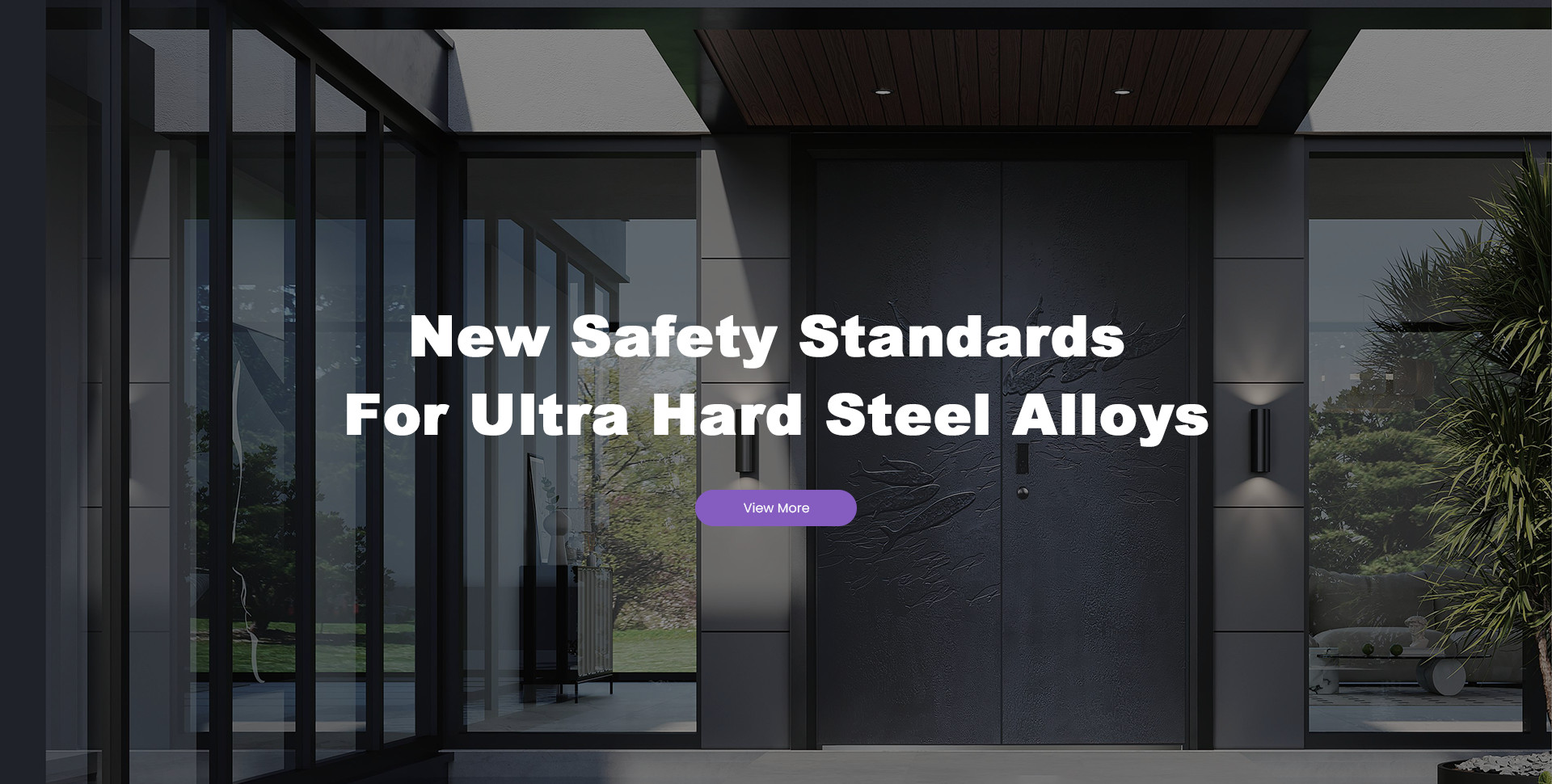
Aluminum vs steel front doors is a common comparison for homeowners, architects, door distributors, and residential project contractors. Aluminum front doors offer low weight, strong corrosion resistance, and flexible modern styling, while steel front doors provide high structural strength, solid security performance, and broad cost options. Neither material is universally better—the right choice depends on climate, entrance size, security expectations, maintenance, and architectural design.
For humid or coastal homes, aluminum is often the more practical choice. For projects that prioritize rigidity and anti-pry protection, a properly engineered Steel Entrance Door may be more suitable.
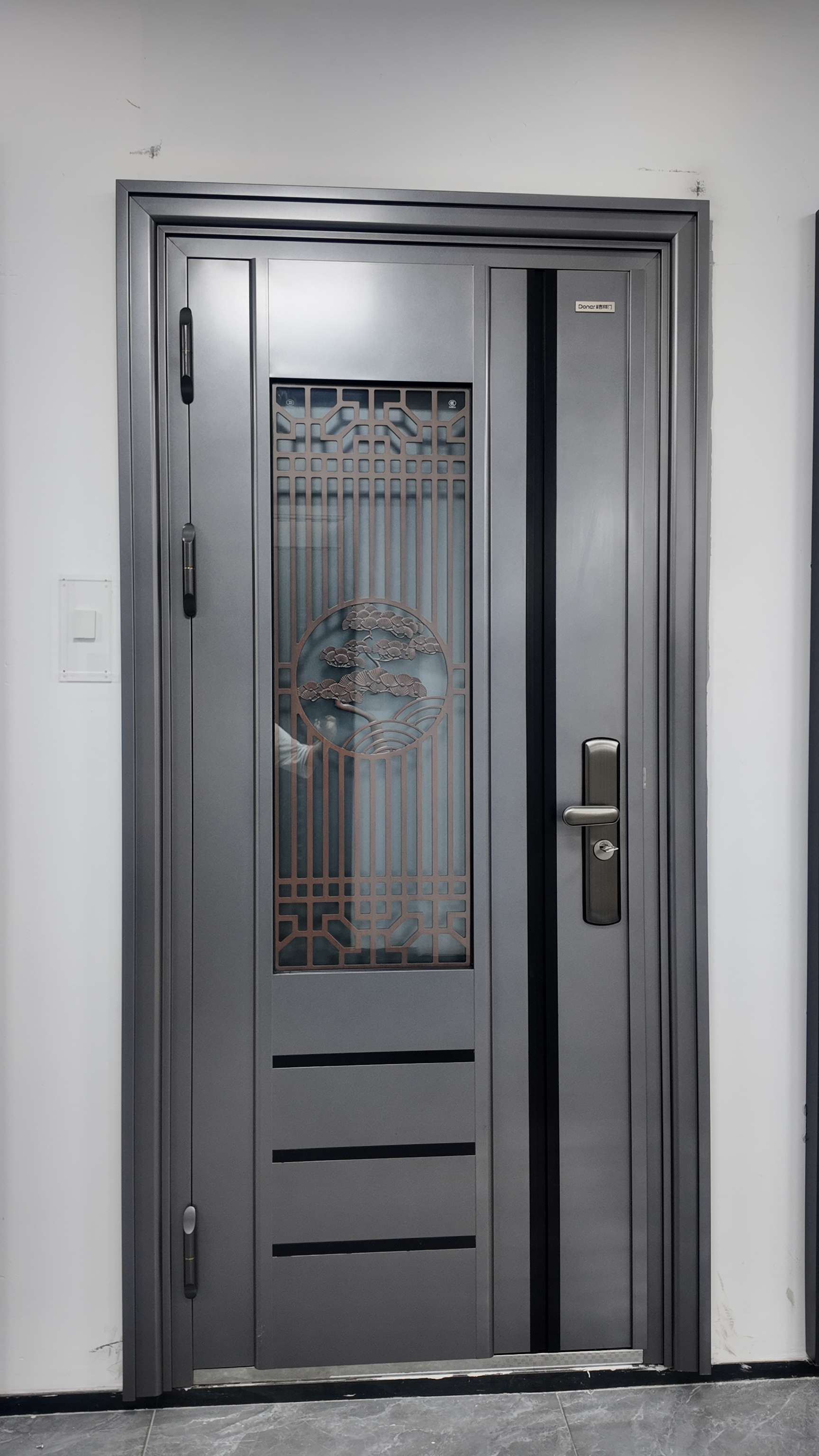
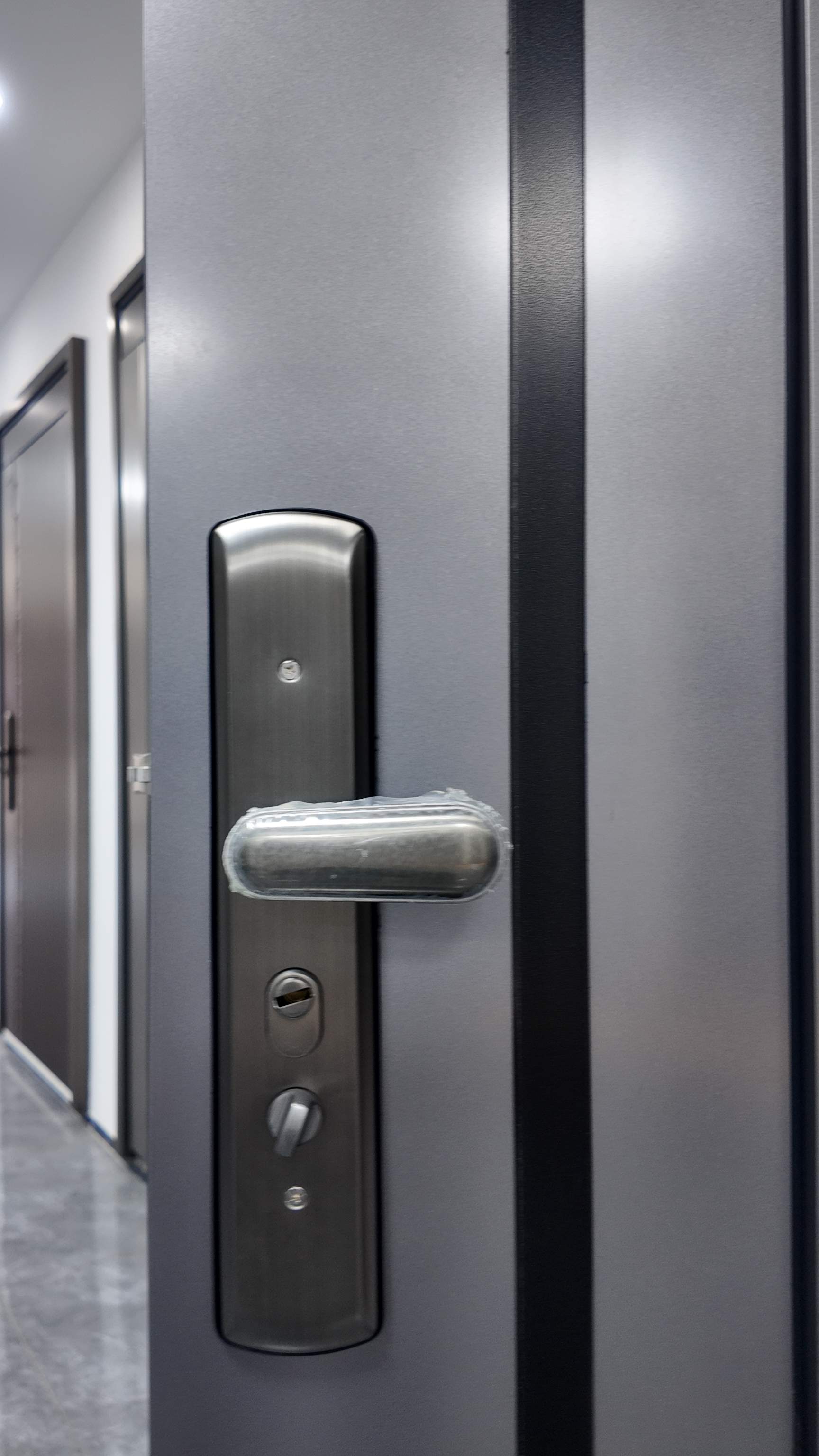
Table of Contents
How Aluminum Front Doors Perform
Aluminum naturally forms a protective oxide layer that helps it resist corrosion. Unlike untreated carbon steel, it does not develop red rust when exposed to moisture. This makes an aluminum front door suitable for coastal houses, humid regions, villas, and exposed building entrances.
Aluminum is also relatively lightweight. A lower door-leaf weight can reduce the load placed on hinges and make oversized entrance doors easier to operate when the frame and hardware are engineered correctly.
Modern aluminum entrance doors can support:
Large single-door designs
Double entrance doors
Pivot and offset-axis structures
Precision-carved decorative panels
Matte, metallic, and wood-grain finishes
Glass inserts and sidelights
Smart-lock preparation
Customized handles and hardware
Our factory produces all-aluminum system doors, central-axis doors, offset-axis doors, and customized entrance systems. Panel thickness, internal reinforcement, frame construction, and hardware selection can be adjusted according to the size and opening method.
Where Steel Front Doors Are Strongest
Steel front doors are widely selected when physical strength and security are major purchasing priorities. A reinforced steel structure can provide excellent resistance to impact, deformation, and forced entry.
Security performance does not come from the exterior steel sheet alone. The complete system should include a stable frame, reinforced lock area, reliable hinges, suitable internal filling, and controlled gaps between the door leaf and frame.
Our steel front doors can use an interlocking anti-pry structure, a thick door leaf, stainless steel lock body, reinforced hinges, and polyurethane filling. These components work together to create a more complete residential entrance system.
Steel also allows a wide range of decorative finishes. Contemporary steel entrance doors do not have to look industrial. They can use embossed panels, brushed textures, matte colors, precision-cut patterns, aluminum cladding, or decorative trims.
Corrosion and Weather Resistance
Aluminum generally requires less protection against corrosion. It performs well in rain, humidity, and salt-air environments when its finish and hardware are suitable for the location.
Carbon steel depends more heavily on surface preparation and coating. Cutting edges, welds, fastener holes, and damaged finishes can become corrosion points if they are not treated properly. A quality steel front door should therefore use controlled pretreatment, protective coating, sealed joints, and compatible hardware.
Neither material is maintenance-free. Dirt, salt, pollutants, and cleaning residues should be removed periodically. Drainage openings and weather seals also need inspection because water trapped inside a door system can shorten the life of surrounding components.
Strength and Door Size
Steel has high strength and can create a rigid security structure without excessive material volume. This makes it effective for conventional hinged entrance doors and reinforced armored doors.
Aluminum has a lower density, but large aluminum entrance doors still require correctly designed profiles, internal reinforcement, hinges, pivots, and frame connections. A large decorative panel cannot simply be scaled up from a small door without reviewing weight distribution and operating forces.
For oversized entrances, buyers should provide:
Structural opening dimensions
Finished wall thickness
Door-leaf width and height
Inward or outward opening direction
Hinge or pivot position
Lock and handle requirements
Exposure to rain, wind, and sunlight
Required threshold and sealing design
Thermal and Acoustic Performance
The metal skin is only one part of door performance. Internal filling, frame chambers, weather seals, glazing, threshold design, and installation gaps influence heat transfer and sound control.
Both aluminum and steel front doors can use insulated cores. However, metal conducts heat, so buyers should review the complete door assembly rather than assuming one material automatically provides better insulation.
Poor installation can also defeat a well-designed door. Unsealed frame gaps and an uneven threshold can allow air, water, and noise to pass around the door regardless of its panel material.
Appearance and Customization
Aluminum is well suited to clean lines, wide panels, concealed structures, and precise surface machining. It is commonly used for contemporary villas and luxury residential entrances.
Steel supports both modern and traditional designs. It can reproduce embossed textures, geometric panels, security-focused profiles, and decorative finishes while retaining a strong structural core.
As an aluminum front door OEM/ODM manufacturer, we support non-standard dimensions, panel patterns, frame structures, opening directions, colors, locks, handles, glass, and project packaging. Automated cutting, forming, and ERP-managed production help us coordinate customized components from drawing confirmation through assembly.
Which Door Should You Choose?
Choose an aluminum front door when corrosion resistance, modern design, lower door-leaf weight, or an oversized pivot configuration is the main priority.
Choose a steel front door when anti-pry structure, impact resistance, structural rigidity, and cost control are more important.
Some high-end doors combine steel and aluminum. A steel structural body can provide rigidity, while precision-carved aluminum panels create the required exterior finish. This composite approach is useful when a project needs both security and architectural customization.
The final decision should be based on the complete door system, not the material name alone. Compare the frame, panel thickness, reinforcement, hinges, lock body, filling, coating, weather sealing, and installation requirements before confirming the order.