



Front Door Overview: Materials, Styles, Security, and Buying Factors
A front door is the complete entrance system that separates a home or building from the exterior environment. It includes the door leaf, frame, hinges or pivot hardware, lock, internal structure, threshold, seals, surface finish, and installation connection. A useful front door overview should therefore consider more than appearance.
The best front entrance door should fit the opening, operate smoothly, resist expected weather exposure, provide appropriate security, and remain maintainable throughout its service life.
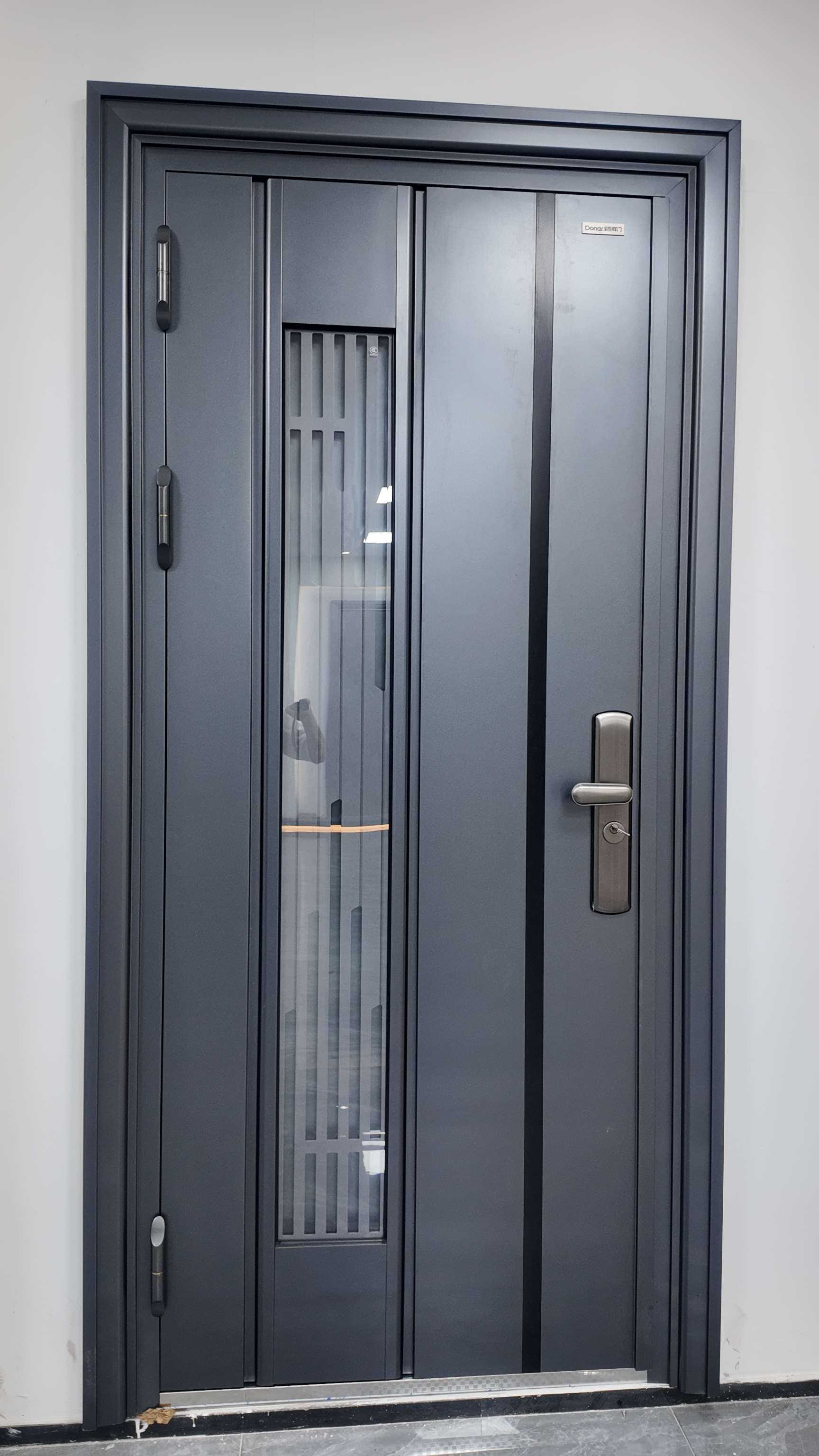
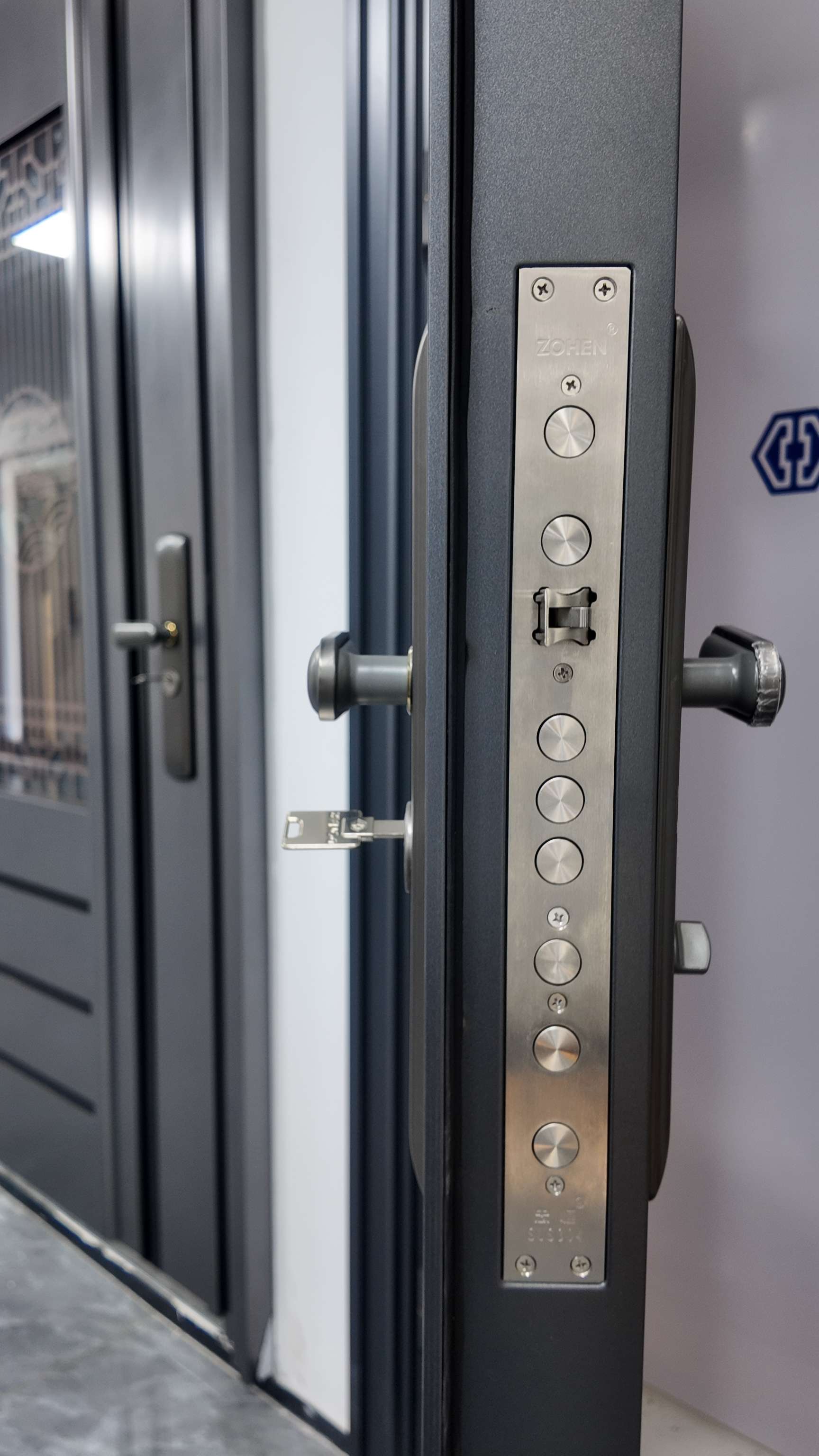
Table of Contents
Common Front Door Materials
| Front door material | Main advantages | Purchasing considerations |
|---|---|---|
| Aluminum | Corrosion resistance, lower weight, modern styling | Profile strength, reinforcement, finish, thermal design |
| Carbon steel | Rigidity, impact resistance, strong security potential | Pretreatment, coating, corrosion protection, door weight |
| Stainless steel | Corrosion resistance, strength, stable metal appearance | Stainless grade, surface finish, fabrication quality |
| Steel-aluminum composite | Strong internal structure with decorative aluminum panels | Connection method, total weight, compatible finishes |
| Cast aluminum | Detailed decorative panels and substantial entrance appearance | Casting quality, reinforcement, hinge and frame capacity |
| Wood | Natural appearance and broad design flexibility | Moisture movement, coating maintenance, climate suitability |
| Glass-and-metal system | Natural light and contemporary design | Glazing specification, privacy, frame strength, security |
Material names alone do not define performance. A thin or poorly reinforced metal door may perform worse than a carefully engineered system made from a different material.
Main Front Door Styles
Hinged Entrance Doors
A side-hinged front door is the most familiar configuration. It may open inward or outward depending on building design, local requirements, weather exposure, and available space.
Single doors suit standard residential openings. Double doors create a wider entrance but require careful control of the meeting stiles, locks, bolts, seals, and inactive leaf.
Pivot Front Doors
A pivot door rotates around hardware positioned away from the side edge. This structure can support wide door leaves and create a distinctive opening motion.
Pivot doors require early coordination because the pivot position affects the frame, floor, ceiling clearance, threshold, sealing, and load distribution. They should not be treated as ordinary hinged doors with different hardware.
Armored and Security Doors
Armored doors use a reinforced internal structure, stronger lock area, controlled hinge system, and protective panels. Their security depends on the relationship between the door leaf and frame rather than a thick exterior panel alone.
Our exterior security door combines a steel main structure with precision aluminum panel cladding, concealed hardware, internal filling, and customized surface finishes.
Stainless Steel Entrance Doors
Stainless Steel Front Doors are selected for long-term corrosion resistance and a substantial metal structure. They are suitable for homes exposed to moisture, frequent rainfall, coastal air, or demanding cleaning conditions.
Our 304 stainless steel front door supports customized colors, decorative panels, frame structures, and opening directions.
Light-Luxury Entrance Doors
Light-luxury doors combine a restrained architectural appearance with customized panels, metallic colors, large handles, concealed hardware, and reinforced structures. The category describes design positioning rather than one material.
Buyers should still confirm the technical construction beneath the decorative surface.
What Determines Front Door Security?
Door security is created by several connected components:
Door-leaf structure
Frame strength
Lock-side reinforcement
Hinge or pivot capacity
Lock-body construction
Bolt engagement
Anti-pry relationship between leaf and frame
Fixing points between the frame and wall
Glazing specification where glass is used
Installation accuracy
A high-security lock installed on a weak frame cannot provide a complete solution. Similarly, a heavy door with poorly positioned hinges may sag and prevent the lock from engaging correctly.
Weather Resistance and Sealing
Outdoor entrance doors face rain, dust, sunlight, temperature changes, and wind pressure. Their suitability depends on exposure.
A covered apartment entrance has different requirements from a villa door facing direct rainfall. Projects should specify whether the door is sheltered, partially exposed, or fully exposed.
Weather resistance can be improved through:
Proper door-leaf overlap
Continuous seals
Controlled gasket compression
Suitable thresholds
Drainage paths
Protected joints
Corrosion-resistant hardware
Exterior-compatible coatings
Installation is part of the sealing system. Even gaps around the frame, correct floor level, and accurate alignment are essential.
Insulation and Noise Control
Internal filling can improve the feel, thermal behavior, and acoustic performance of a metal entrance door. Polyurethane and other engineered filling systems are often used inside steel or composite door leaves.
Actual performance also depends on the frame, seals, glass, threshold, and wall connection. Buyers should request test information when a project has defined thermal or acoustic requirements.
Statements such as “soundproof” or “insulated” should not be accepted without knowing what assembly and test conditions they describe.
Important Buying Factors
Before purchasing a front door, confirm:
Structural and finished opening size
Wall thickness and frame depth
Door material and panel construction
Door-leaf thickness and total weight
Opening direction and handing
Hinge or pivot configuration
Lock body and access method
Threshold and weather-seal design
Surface color and texture
Installation and adjustment requirements
Packaging and transport protection
Replacement hardware availability
The opening should be measured after structural conditions and finished-floor levels are understood. Manufacturing a non-standard door from approximate dimensions creates avoidable installation risk.
Factory Support for Custom Front Doors
We are a front entrance door wholesale supplier with manufacturing experience dating back to 1979. Our product range includes aluminum system doors, stainless steel entrance doors, steel security doors, armored doors, pivot doors, offset-axis doors, and cast-aluminum entrance doors.
Our factory uses automated production equipment and an ERP management system to coordinate planning, sales, production, logistics, and warehousing. OEM and ODM support covers door size, panel design, frame construction, opening method, color, handle, lock preparation, glass, and export packaging.
For project orders, manufacturing consistency is as important as customization. Door leaves, frames, hinge positions, lock openings, and decorative panels must remain coordinated across the complete production batch.
A Better Way to Buy a Front Door
Start with the opening and exposure conditions, then define security and operating requirements. Select the material and design only after those technical needs are clear.
Request a drawing showing the door leaf, frame, wall relationship, opening direction, lock position, and critical dimensions. A confirmed sample or technical review can then resolve appearance and hardware choices before production begins.
A front door is successful when structure, design, hardware, sealing, and installation operate as one system. That complete-system approach produces a more dependable result than selecting a door only by color or exterior panel.