


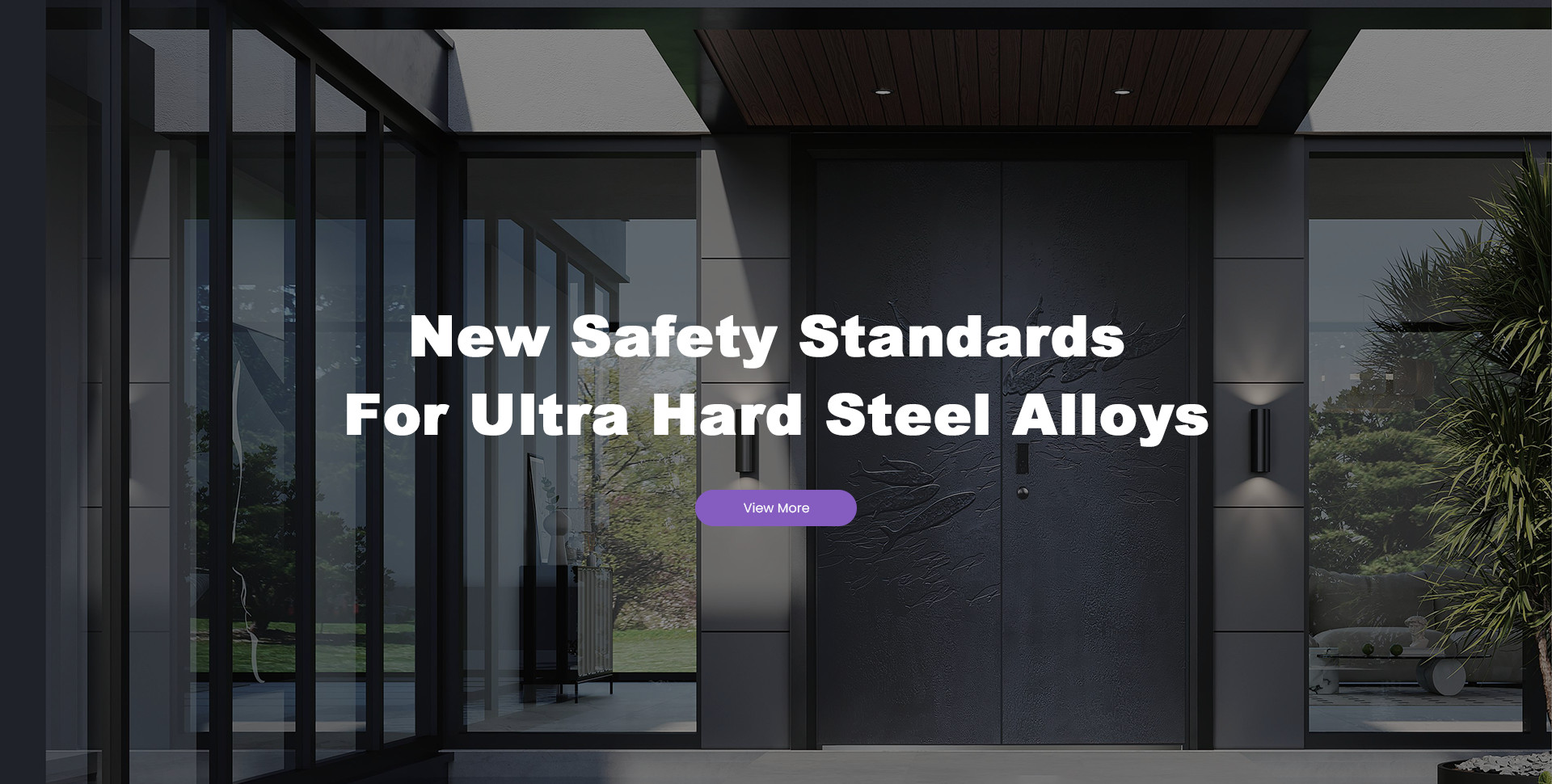

How to Choose the Right Front Door for Your Home?
The right front door for a home must fit the opening, withstand local weather, provide suitable security, operate comfortably, and match the architecture. Material and color matter, but they should be selected after the entrance conditions are understood.
A practical front door selection process begins at the building—not in a product catalog.
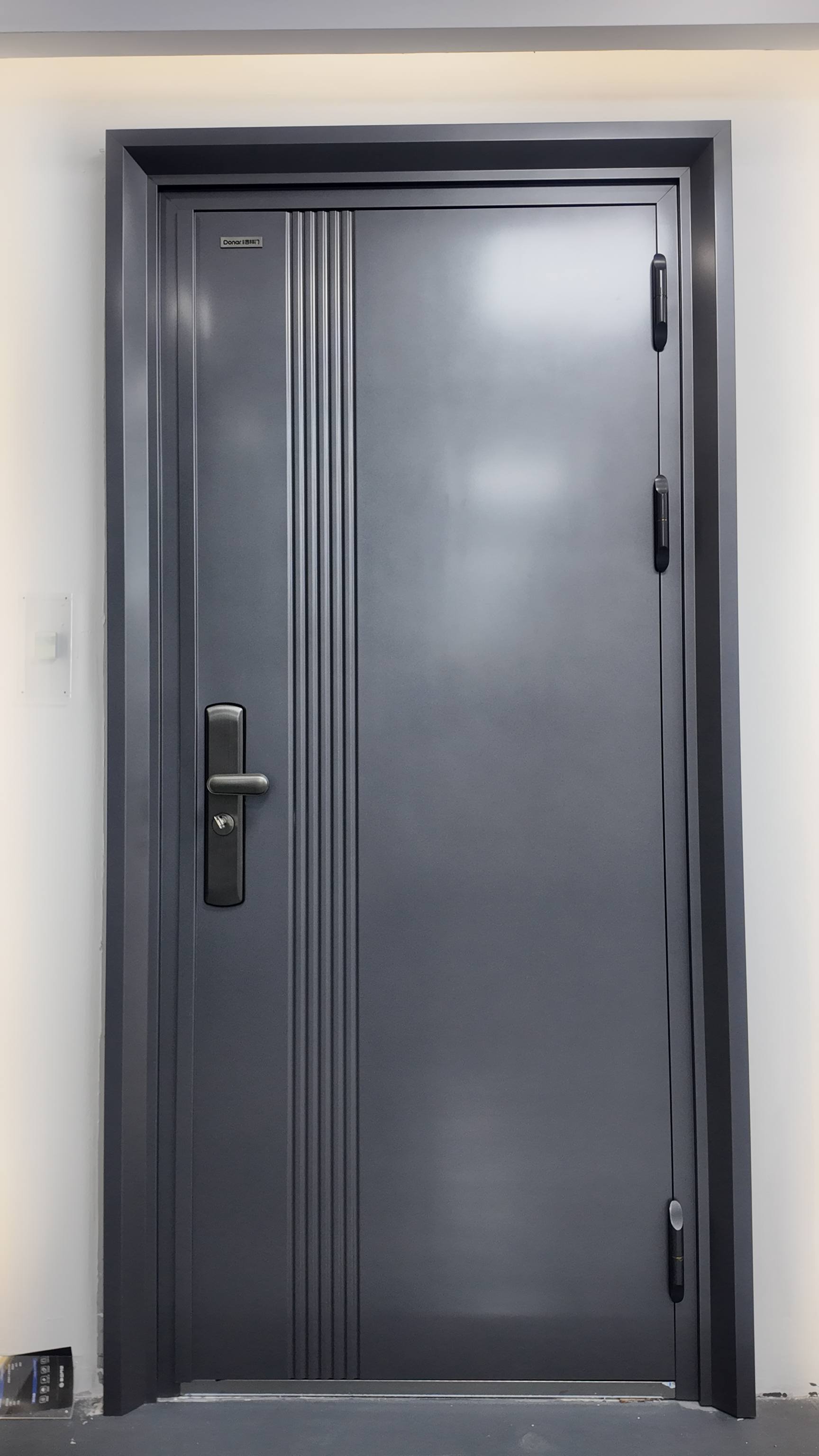
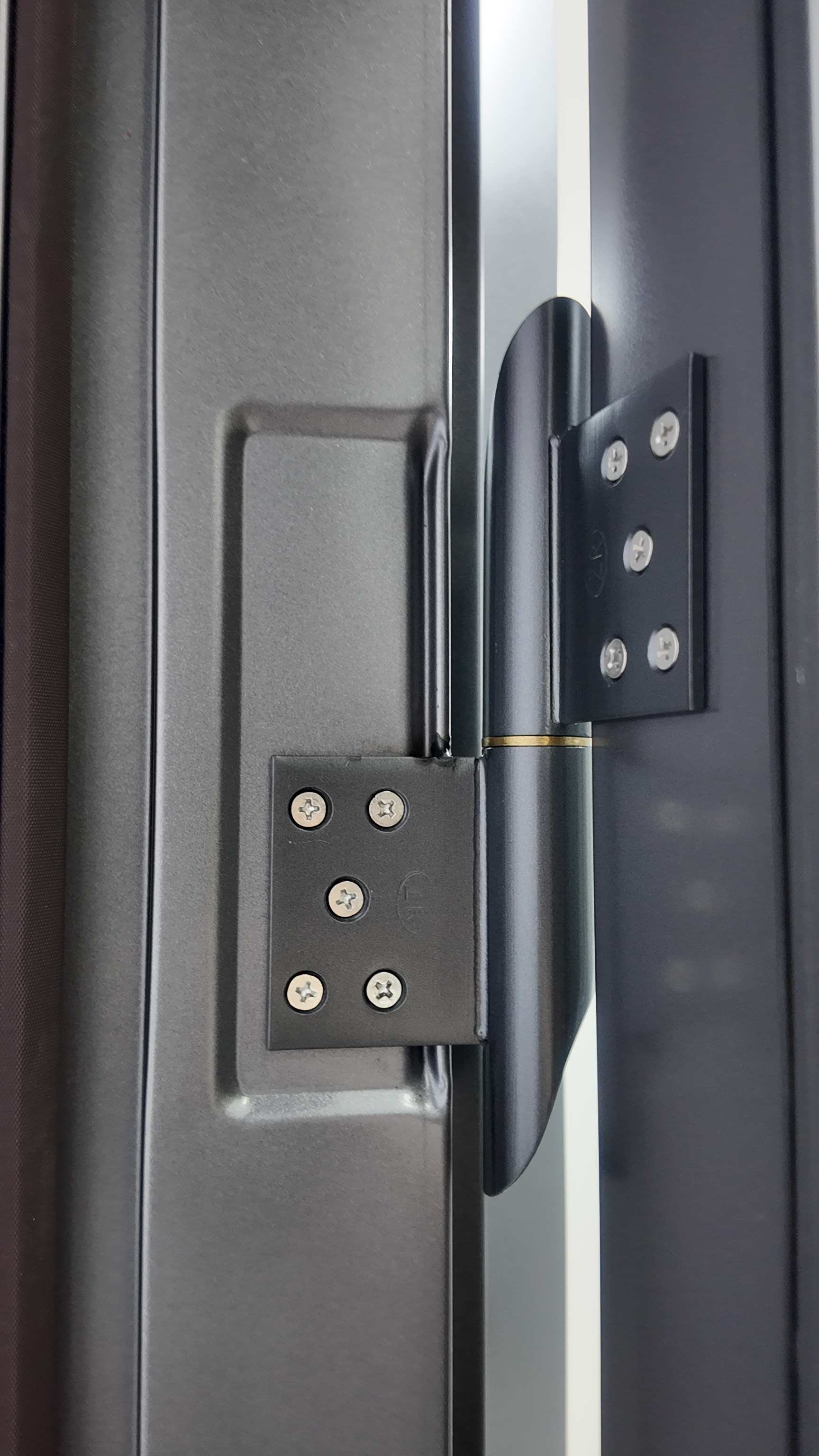
Table of Contents
- Step 1: Inspect the Entrance Location
- Step 2: Measure the Complete Opening
- Step 3: Select the Door Material
- Step 4: Define the Required Security Level
- Step 5: Choose the Opening Method
- Step 6: Review Insulation and Weather Sealing
- Step 7: Match the Door to the Architecture
- Step 8: Verify Factory Customization
- Step 9: Plan Installation Before Delivery
- Final Selection
Step 1: Inspect the Entrance Location
Determine how exposed the doorway is. A door beneath a deep porch faces different conditions from one receiving direct rain, coastal air, intense sunlight, or strong wind.
Record whether the entrance is:
Fully sheltered
Partially exposed
Directly exposed to rain
Located near the coast
Installed in a humid climate
Subject to strong afternoon sunlight
Positioned in an apartment corridor
Connected to a climate-controlled interior
These details affect material, coating, weather seals, threshold design, glass, and hardware.
Step 2: Measure the Complete Opening
Measure more than the visible door leaf. A custom front door requires information about the structural opening, finished opening, wall thickness, floor level, threshold, and surrounding finishes.
Check the opening at several points because walls may not be perfectly level or square. Identify the narrowest width and height, but do not manufacture directly from rough measurements without accounting for the frame and installation clearance.
Oversized, double, pivot, and offset-axis entrance doors need earlier coordination. Their hardware and operating paths may affect the floor, ceiling, and adjacent walls.
Step 3: Select the Door Material
Aluminum
Aluminum front doors suit humid and coastal environments because the material naturally resists corrosion. They also support modern profiles, wide panels, carved surfaces, and pivot structures.
Steel
Steel Entrance Doors provide rigidity and strong security potential. They require proper pretreatment, coating, edge protection, and maintenance to reduce corrosion risk.
Stainless Steel
Stainless steel combines strength with improved corrosion resistance. Grade 304 is commonly used for residential entrances exposed to moisture and changing outdoor conditions.
Our stainless steel entry door uses 304 stainless steel and supports custom panels, colors, frames, and opening directions.
Steel and Aluminum Composite
Composite doors use a strong structural body with decorative aluminum panels. They are suitable when a homeowner wants reinforced construction and a high-end architectural surface.
Step 4: Define the Required Security Level
Consider the property type, surrounding access points, local environment, and how often the home is occupied.
A residential security entrance may include:
Reinforced door-leaf structure
Anti-pry lock-side design
Strengthened frame
Stainless steel multi-point lock body
Protected hinge arrangement
Smart-lock preparation
Limited or security-rated glazing
Controlled connection between frame and wall
Do not select a door by lock technology alone. A fingerprint lock installed on a weak frame does not create a secure entrance.
Step 5: Choose the Opening Method
A conventional hinged door is practical for most homes and usually provides straightforward sealing.
A double door creates a wide formal entrance but requires coordination between the active and inactive leaves.
A pivot door supports larger dimensions and a distinctive modern appearance. Its pivot location, door balance, floor hardware, sealing, and clear opening need careful design.
Confirm whether the door opens inward or outward and where the hinges or pivot sit when viewed from the relevant side. Ambiguous handing information is a frequent cause of production and installation problems.
Step 6: Review Insulation and Weather Sealing
Ask about internal filling, perimeter seals, door-leaf overlap, frame structure, threshold, drainage, and glass specification. These components influence comfort more than exterior panel thickness alone.
The door should compress its seals consistently without requiring excessive closing force. Uneven gaps can cause air leakage, water penetration, noise, lock misalignment, and premature seal wear.
Step 7: Match the Door to the Architecture
The entrance should relate to the building’s scale, facade lines, windows, roof, hardware, and interior approach.
Modern homes often use:
Large flat panels
Vertical linear details
Concealed or minimal hardware
Matte metallic colors
Wide pull handles
Pivot structures
Traditional or transitional homes may use embossed panels, symmetrical decoration, glazed inserts, warmer metal tones, or double-door arrangements.
Visual customization should take place within the technical limits of the structure. A heavier panel, larger handle, or glass opening can change door balance and reinforcement requirements.
Step 8: Verify Factory Customization
As a custom front door reliable export supplier, we produce aluminum, stainless steel, steel, armored, pivot, offset-axis, and cast-aluminum entrance doors for non-standard residential openings.
Our factory began manufacturing entrance products in 1979 and uses automated production equipment with ERP-managed planning, production, logistics, and warehousing. We can coordinate door dimensions, frame depth, panel material, opening direction, finish, handle, lock, glass, internal structure, and export packaging.
Before mass production, buyers should confirm:
Final technical drawing
Opening and frame dimensions
Door material and panel thickness
Color or approved finish sample
Hardware schedule
Lock preparation
Glass specification
Threshold and sealing structure
Installation reference
Packaging and shipping marks
Step 9: Plan Installation Before Delivery
Heavy and oversized doors may require lifting equipment, additional installers, protected staging space, and temporary support. Confirm that the packaged door can pass through site access routes.
The wall opening should be stable, correctly sized, and ready to receive the frame. After installation, check door gaps, hinge or pivot movement, lock engagement, seal contact, threshold clearance, and all fasteners.
Final Selection
Choose the front door as a complete entrance system. Start with climate and opening dimensions, then determine security, material, operating method, sealing, and style.
A door that looks impressive but does not fit the wall, resist exposure, or close smoothly will create recurring problems. A technically coordinated front door provides a better balance of appearance, security, comfort, and long-term use.