


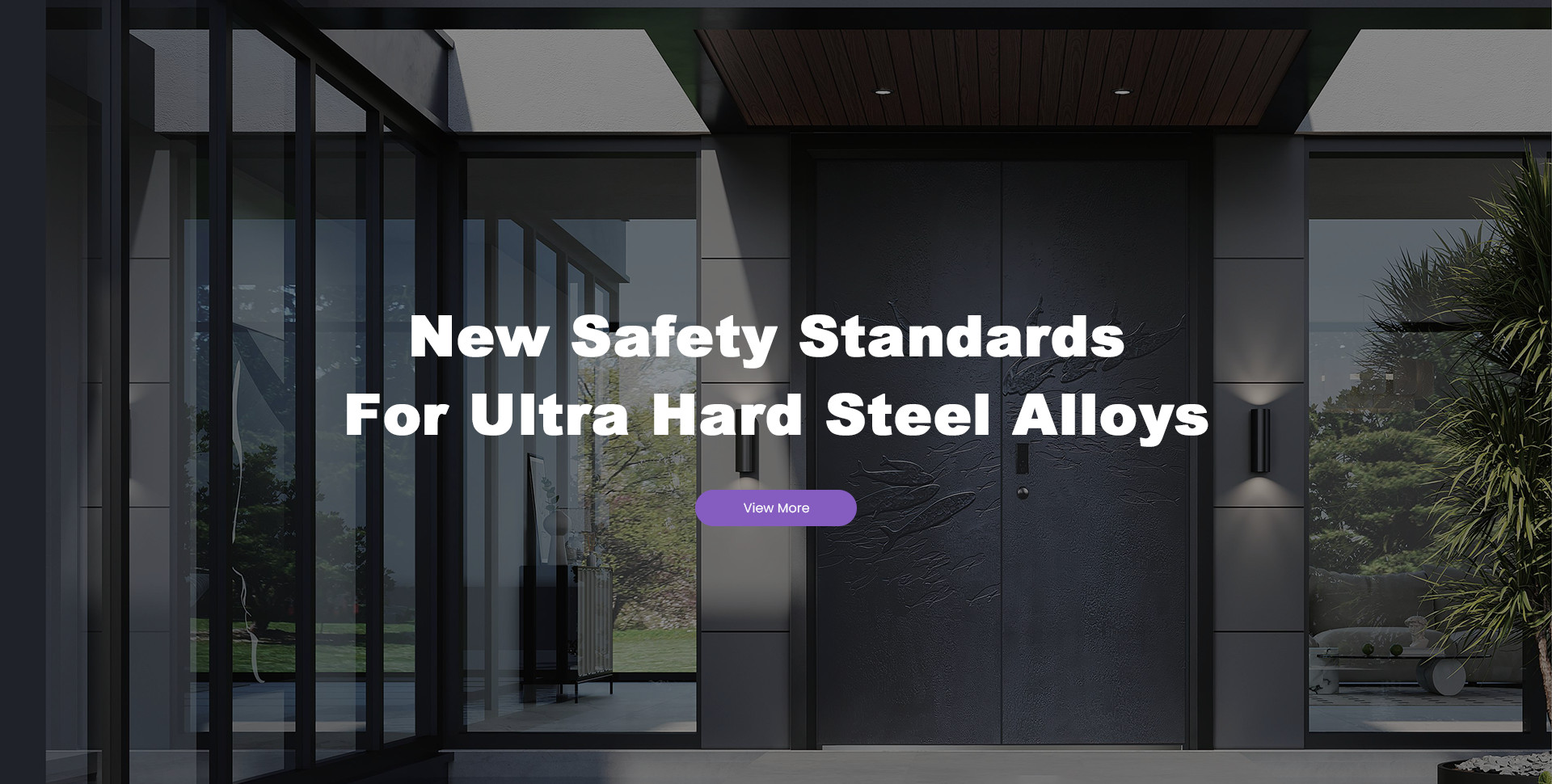

Steel Security Doors: What to Know Before You Buy?
Steel Security Doors are used in residential entrances, villas, apartment buildings, offices, hotels, retail properties, and other locations that require a stronger metal entrance. Before purchasing, buyers should evaluate the door leaf, frame, internal reinforcement, hinges, locks, surface treatment, dimensions, and installation requirements.
The word “steel” alone does not guarantee performance. Different steel doors may use different materials, structures, hardware, and manufacturing processes.
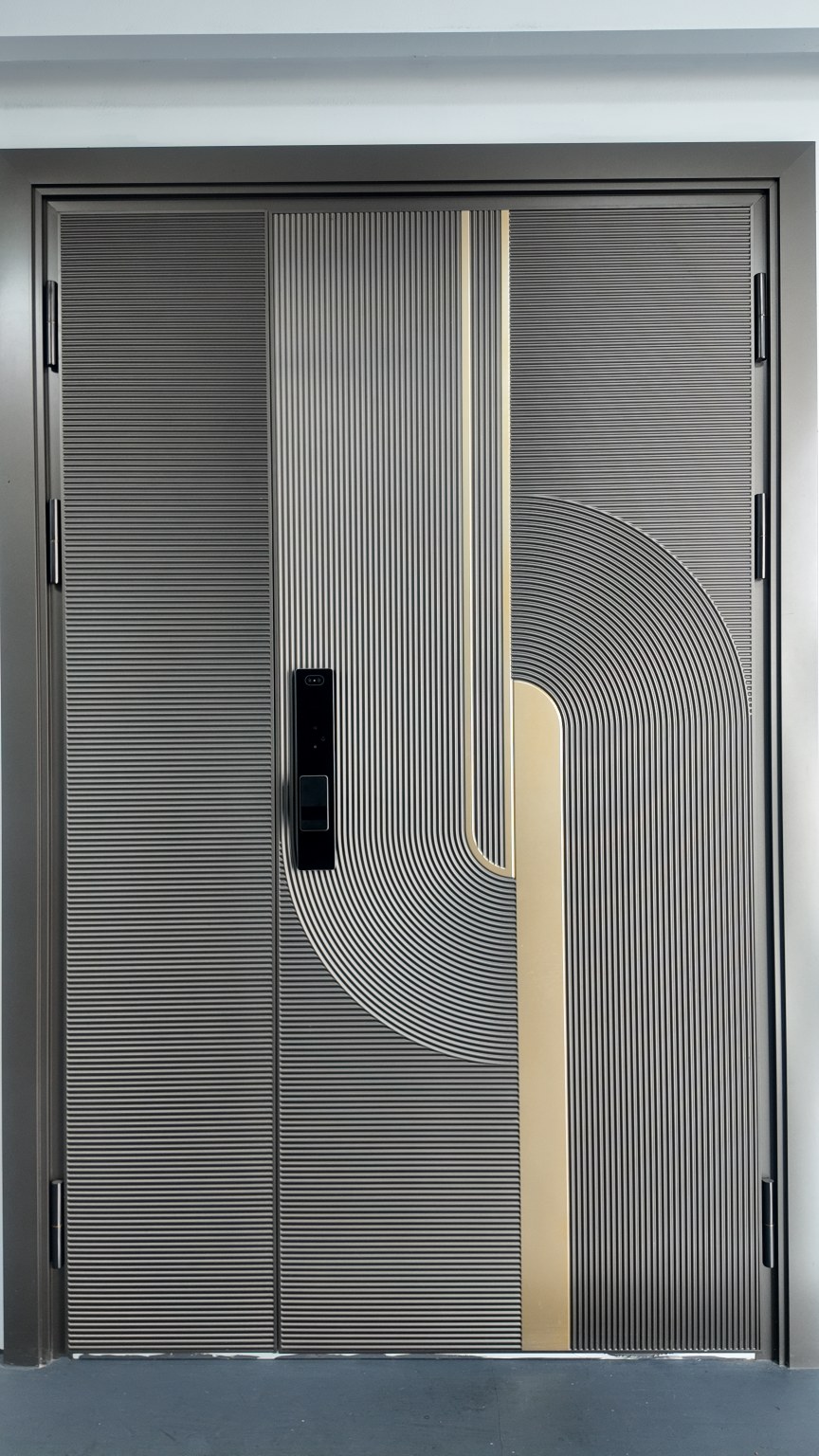
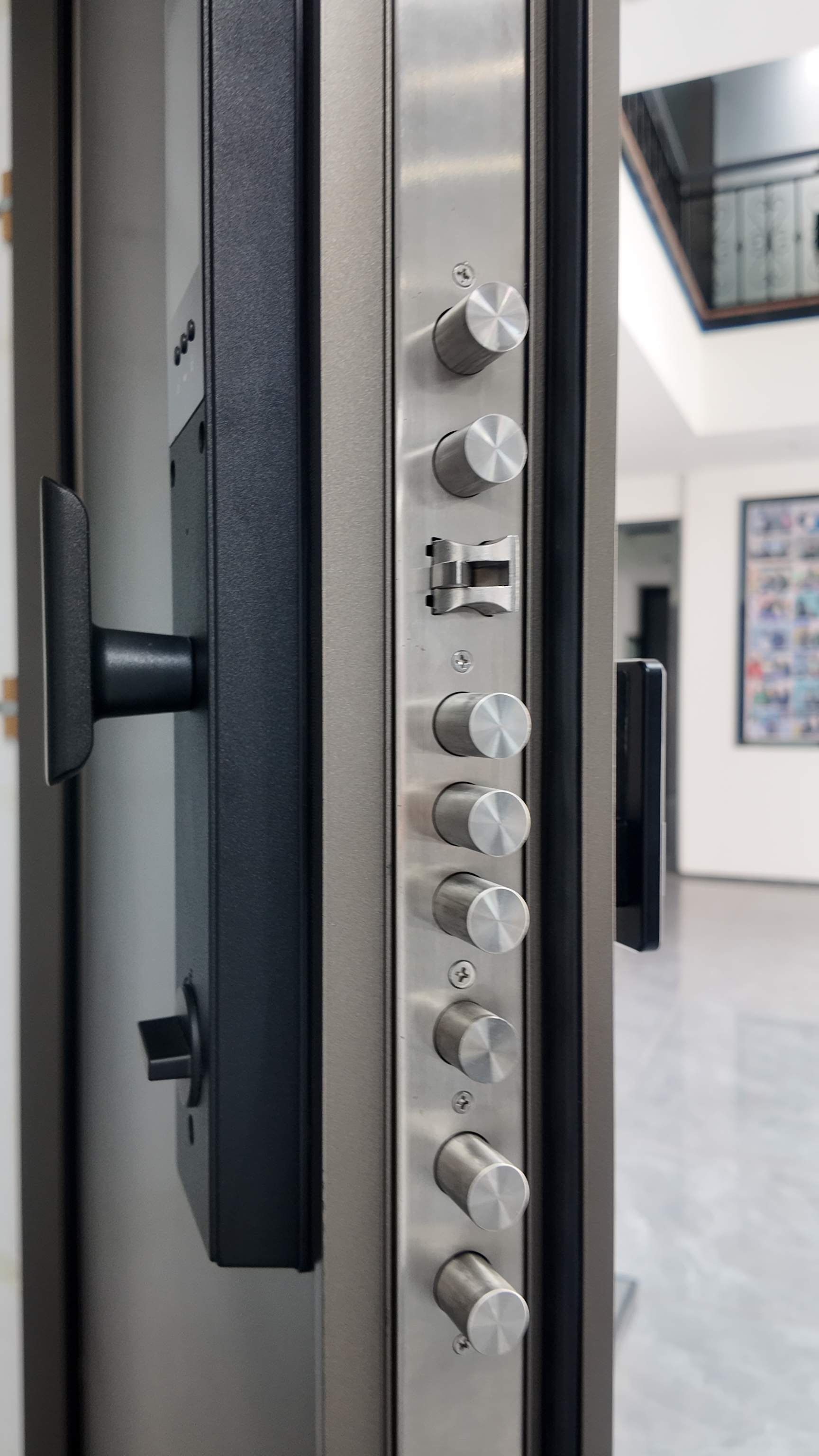
Table of Contents
- 1. Define the Application
- 2. Review the Door Leaf
- 3. Examine the Door Frame
- 4. Check the Locking System
- 5. Evaluate Hinge Construction
- 6. Consider Surface Treatment
- 7. Confirm the Door Dimensions
- 8. Think About Maintenance
- 9. Understand OEM and ODM Options
- 10. Plan Bulk Procurement Carefully
- Conclusion
1. Define the Application
The first step is to identify where the door will be installed and how frequently it will be used.
Residential main doors normally require a balance of:
Security
Privacy
Appearance
Weather resistance
Sound reduction
Easy maintenance
Commercial entrances may require stronger hardware and higher resistance to repeated opening and closing. Service doors may prioritize durability and simple maintenance, while luxury entrance doors may place greater emphasis on surface design and appearance.
2. Review the Door Leaf
The door leaf is the moving section of the door. Its construction influences stability, weight, impact resistance, insulation, and long-term alignment.
Ask the supplier about:
Steel grade
Door leaf thickness
Internal reinforcement
Core structure
Surface panel
Edge finishing
Glass or decorative panel
Welding and joining method
A heavier door is not automatically better. Excessive weight can place additional pressure on hinges and frames. A suitable door should be strong enough for the application while remaining compatible with its hardware and opening structure.
3. Examine the Door Frame
The frame transfers the door load to the wall and supports the hinges, locking points, and closing movement. A weak or poorly aligned frame can reduce the practical value of a strong door leaf.
Important frame details include:
Frame thickness
Profile shape
Corner connections
Hinge reinforcement
Lock-side fixing
Wall connection
Surface protection
Compatibility with the opening
Project buyers should provide rough opening dimensions, finished opening dimensions, wall thickness, and installation conditions before production begins.
4. Check the Locking System
A security door depends on the cooperation of the door leaf, frame, lock, cylinder, hinges, handle, and strike plate.
Before purchase, confirm:
Number of locking points
Lock type
Cylinder position
Handle design
Hinge protection
Hardware material
Emergency opening requirements
Replacement hardware availability
The lock system should match the door weight and project usage. A residential door may require a different configuration from a hotel entrance or commercial service door.
5. Evaluate Hinge Construction
Hinges carry the door leaf and affect opening smoothness, alignment, and long-term durability. Heavy steel doors require suitable hinges and reinforced fixing points.
Buyers should check:
Hinge quantity
Hinge load capacity
Hinge adjustment
Welded or concealed structure
Anti-removal protection
Maintenance access
Compatibility with door weight
If the hinge structure is insufficient, the door may sag or become difficult to close after repeated use.
6. Consider Surface Treatment
Steel doors need suitable surface protection against moisture and corrosion. This is especially important in coastal regions, humid climates, and entrances exposed to rain.
Surface treatment may include:
Pretreatment
Primer
Powder coating
Paint finish
Wood-look coating
Metallic finish
Edge protection
Additional corrosion-resistant treatment
Color and texture also influence the market position of the door. Residential brands may require several colors, while commercial projects may prefer a standardized finish across multiple buildings.
7. Confirm the Door Dimensions
Standard sizes may suit common residential openings, but many projects require customized dimensions. Double doors, oversized entrance doors, doors with sidelights, and decorative panels require careful structural planning.
Before placing an order, confirm:
Rough opening
Finished opening
Door leaf width
Door leaf height
Frame depth
Wall thickness
Opening direction
Hinge side
Threshold
Hardware position
A Reliable Export Supplier of steel security doors should review these details before confirming the final quotation.
8. Think About Maintenance
A steel security door should remain practical after installation. Buyers should consider whether the surface is easy to clean, whether hardware can be replaced, and whether the frame remains accessible for future adjustment.
Maintenance planning should include:
Lock lubrication
Hinge inspection
Surface cleaning
Seal replacement
Fastener checks
Corrosion inspection
Door alignment
Hardware replacement
For overseas distributors, the availability of standard replacement parts can influence after-sales service efficiency.
9. Understand OEM and ODM Options
An OEM ODM Manufacturer of Steel Entrance Doors can adjust the door according to market requirements and project specifications.
Customization may include:
Door dimensions
Door leaf structure
Frame design
Decorative patterns
Glass panel
Color and coating
Locking system
Handle style
Logo placement
Packaging design
We provide finished and semi-finished door production services. Our production system uses laser and CNC automation together with ERP management to coordinate design confirmation, fabrication, assembly, inspection, and delivery.
10. Plan Bulk Procurement Carefully
A Bulk Supply of steel security doors should be based on a detailed product schedule rather than a single general model.
The order should identify:
Quantity by size
Quantity by color
Opening direction
Hardware configuration
Packaging requirements
Delivery batches
Installation accessories
Spare components
Inspection requirements
Destination market
Our factory has more than 47 years of manufacturing experience, a 170,000-square-meter standard workshop, more than 300 employees, and production capacity exceeding 50,000 units. We also conduct 100% testing before shipment to support more consistent delivery quality.
Our steel entrance door range includes high-strength, anti-pry, corrosion-resistant, noise-reduction, and customizable designs.
Conclusion
Before buying steel security doors, evaluate the application, door leaf, frame, reinforcement, hinges, locking system, surface treatment, dimensions, maintenance, and installation conditions.
A reliable supplier should be able to explain how each component contributes to the complete entrance system. For customized designs, bulk procurement, and project-based delivery, buyers can send their requirements through our contact and quotation service.